Where the ferries go
Ferry destinations
Island-hopping guides to the most rewarding places you can reach by ferry — from the Cyclades and Dodecanese to the Dalmatian coast. What to see, where to stay and exactly how to get there on the water.
- Guides
- 56
- Regions
- 32
- Countries
- 11
Achaea
1 guideAeolian Islands
1 guideAndalusia
1 guideAttica & Saronic
1 guide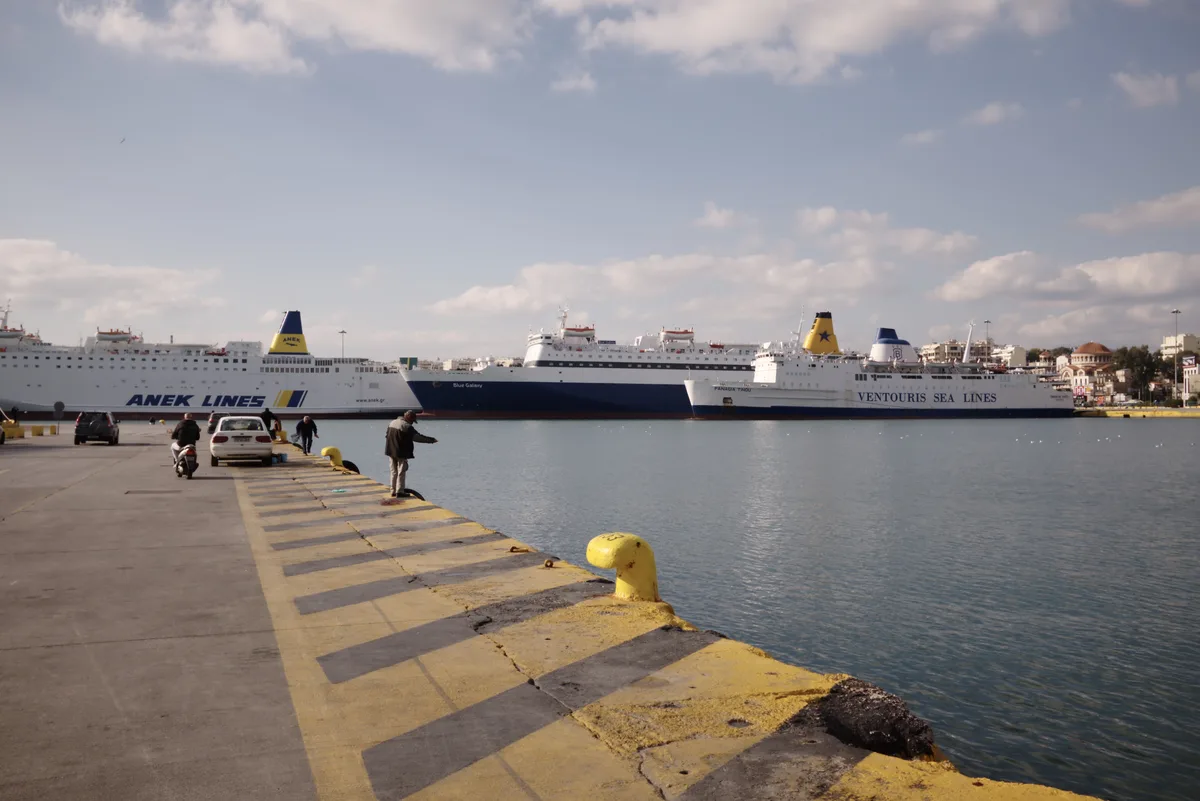
Bay of Naples / Campania
2 guides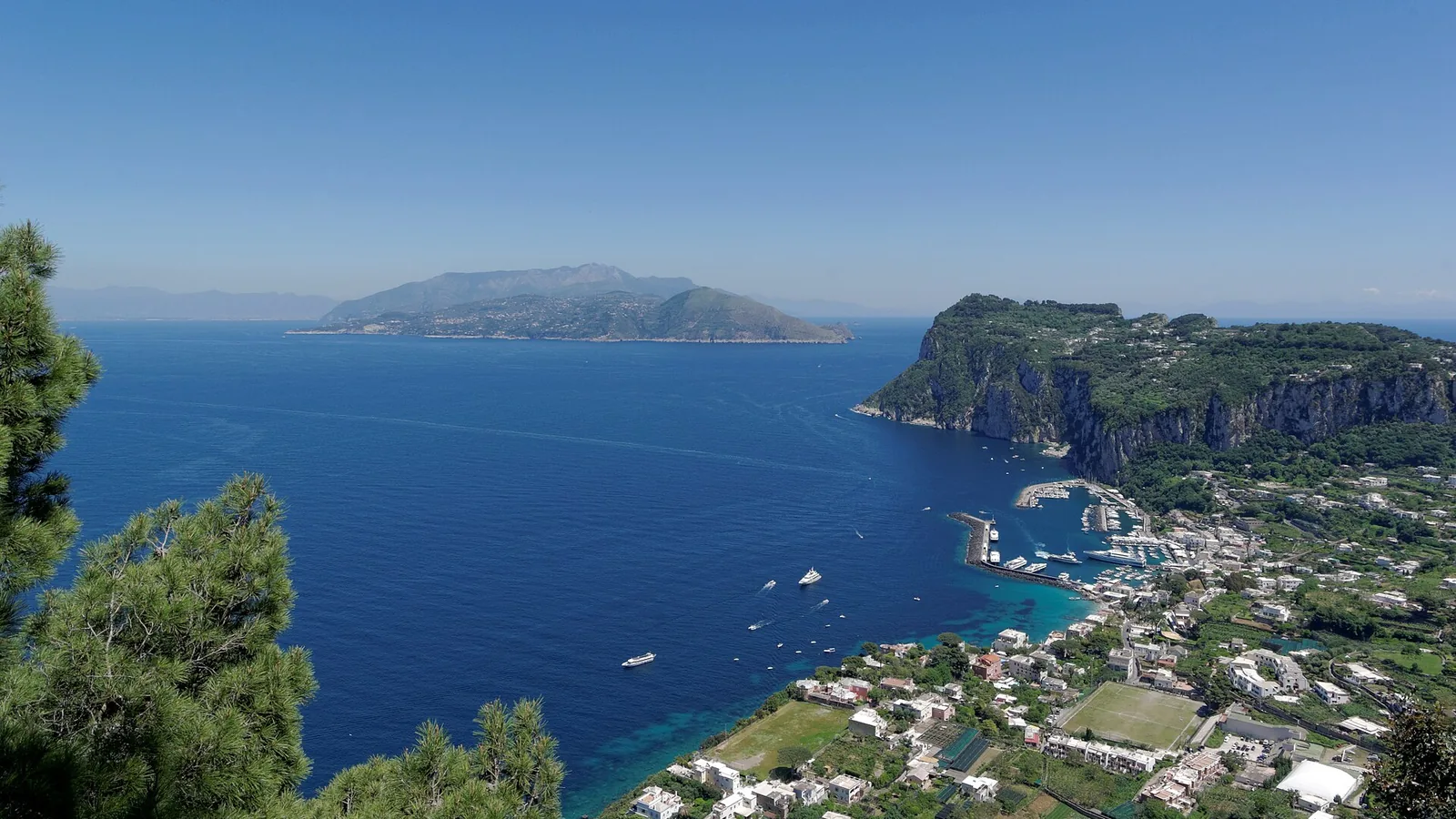 Italy(c) Berthold Werner / CC BY-SA 3.0
Capri
Capri has no airport and no bridge, so every visitor arrives by boat at Marina Grande, the island's only passenger port. The two main gateways are Naples (about 45-50 minutes by hydrofoil from Molo Beverello) and Sorrento (the closest mainland port, roughly 20-30 minutes). Fast hydrofoils, catamarans and slower car ferries run year-round, with extra seasonal links from Ischia and the Amalfi Coast between April and October. This guide covers ports, operators, timing and the island's strict car rules.
Read guide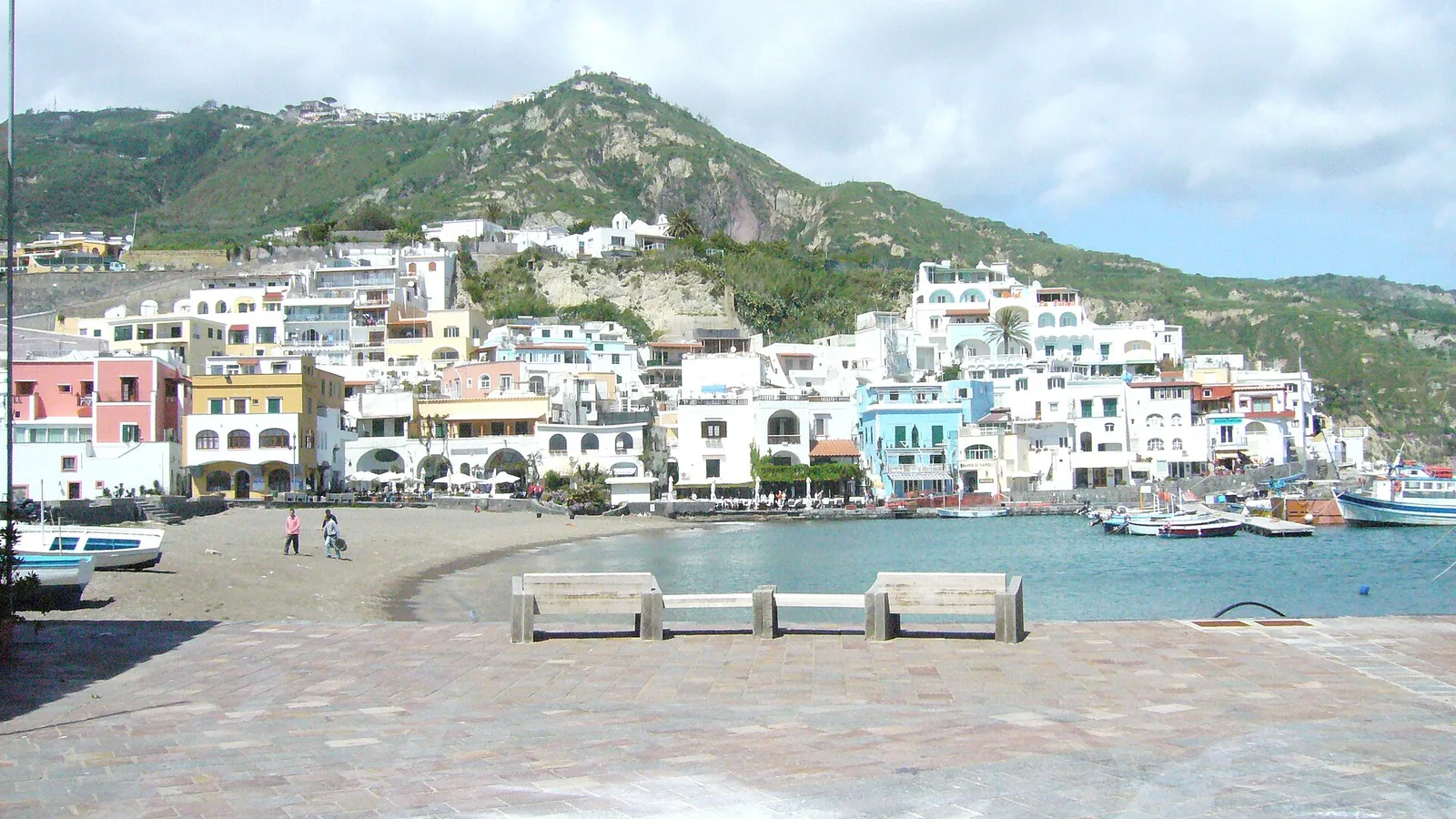 Italy(c) maury3001 / CC BY 3.0
Ischia
This green, volcanic island in the Bay of Naples trades Capri's glamour for thermal spa gardens and hot springs — and like its famous neighbour, it's reachable only by sea, with no airport or bridge to the mainland. Fast passenger hydrofoils cross from Naples' Molo Beverello in roughly 50 minutes to just over an hour; slower car ferries sail from Naples' Calata Porta di Massa or from Pozzuoli, which is closer, cheaper and the smart choice if you are bringing a vehicle.
Read guide
British Columbia
1 guide
British Columbia / Gulf Islands
1 guide
Campania
1 guideCantabria
1 guideCatalonia
1 guideCentral Visayas
2 guides Philippines(c) Wolfgang Hägele / CC BY-SA 4.0
Bohol
Most travellers reach Bohol by fast ferry from Cebu, and the island has two sea gateways. The direct choice is Tagbilaran City port (roughly 1.5-2 hours by fast craft, and the closest landing to Panglao and Alona Beach). The alternative is Tubigon port in the northwest: the crossing is shorter, but Tubigon sits about an hour by road from Tagbilaran. Bohol itself is the home of the Chocolate Hills, the tiny tarsier, and the diving reefs off Panglao.
Read guide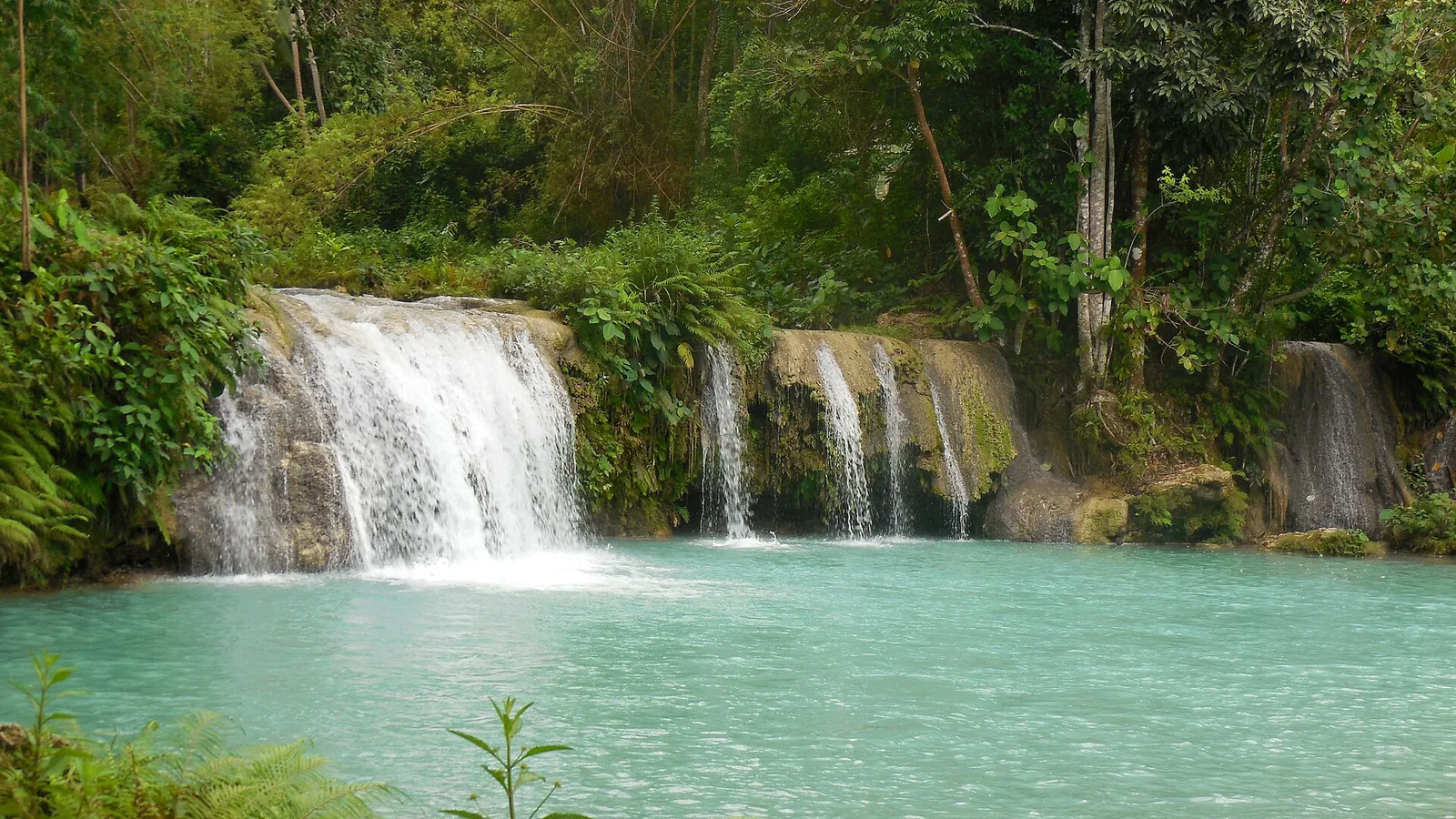 Philippines(c) Lawrence Ruiz / CC BY-SA 4.0
Siquijor
There is no bridge and no jet airport on Siquijor, so every visitor arrives by sea. The overwhelming majority route through Dumaguete on Negros, a short fast-ferry hop of roughly 40 to 60 minutes with several daily sailings from operators like OceanJet, Aleson Shipping and Montenegro Lines. Longer fastcraft runs also connect from Cebu (about 4+ hours) and Tagbilaran on Bohol. The reward is the Philippines' mystic island: turquoise waterfalls, cliff-jump beaches, folk-healing lore and a stillness the busier islands lost long ago.
Read guide
Crete
3 guides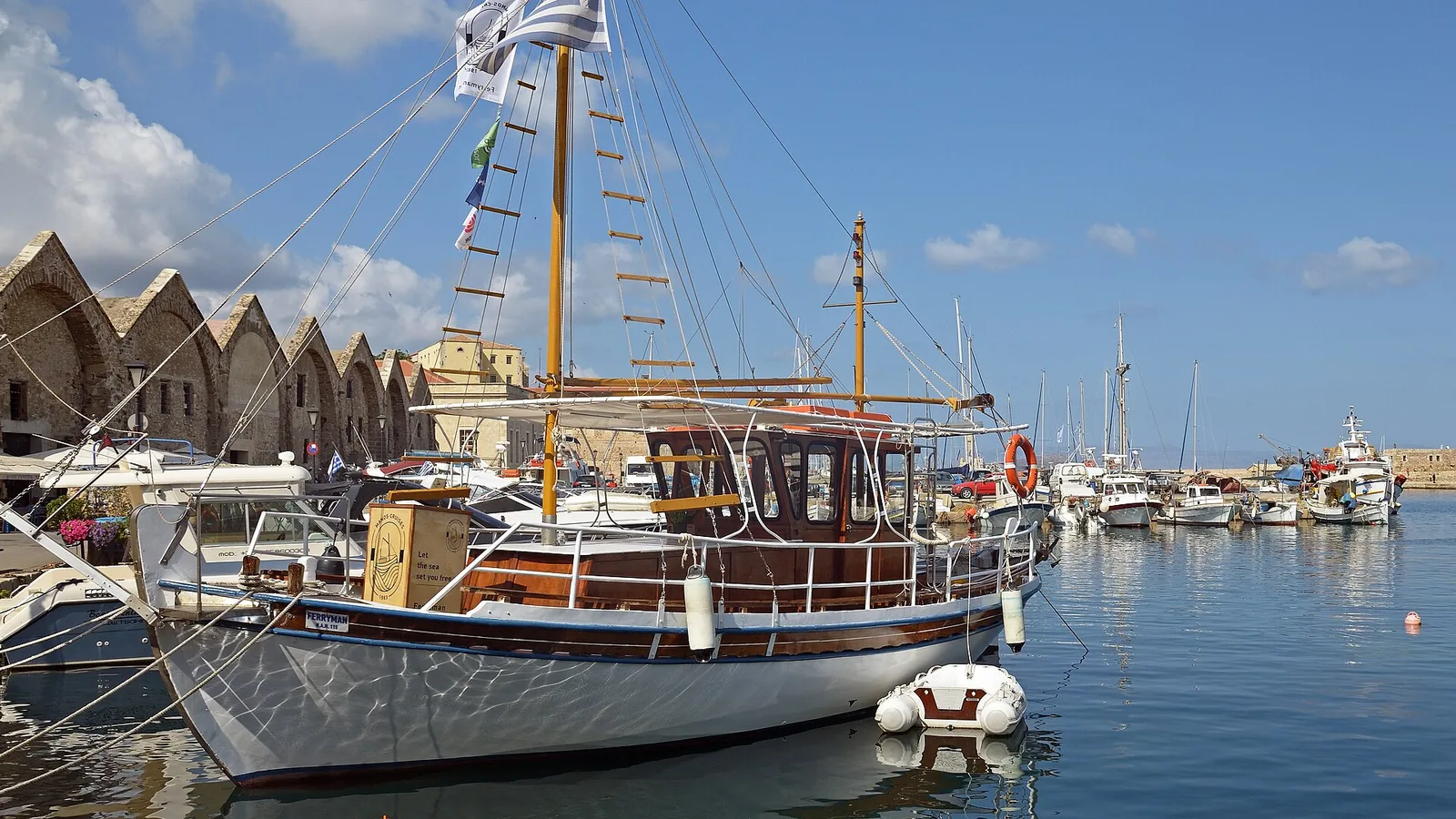 Greece(c) Ввласенко / CC BY-SA 3.0
Chania
You reach Chania by ferry through Souda, the working port about 7 km east of the Old Town in far-western Crete. The signature link is the overnight boat from Piraeus (Athens): it sails in the evening and lands you at Souda soon after dawn, roughly a 9-hour crossing. From the quay a city bus or taxi drops you at the Venetian harbour in 15-20 minutes. Chania itself is Crete's most photogenic town, a lighthouse-topped harbour and Venetian-Ottoman lanes that make the best base for the wild west of the island.
Read guide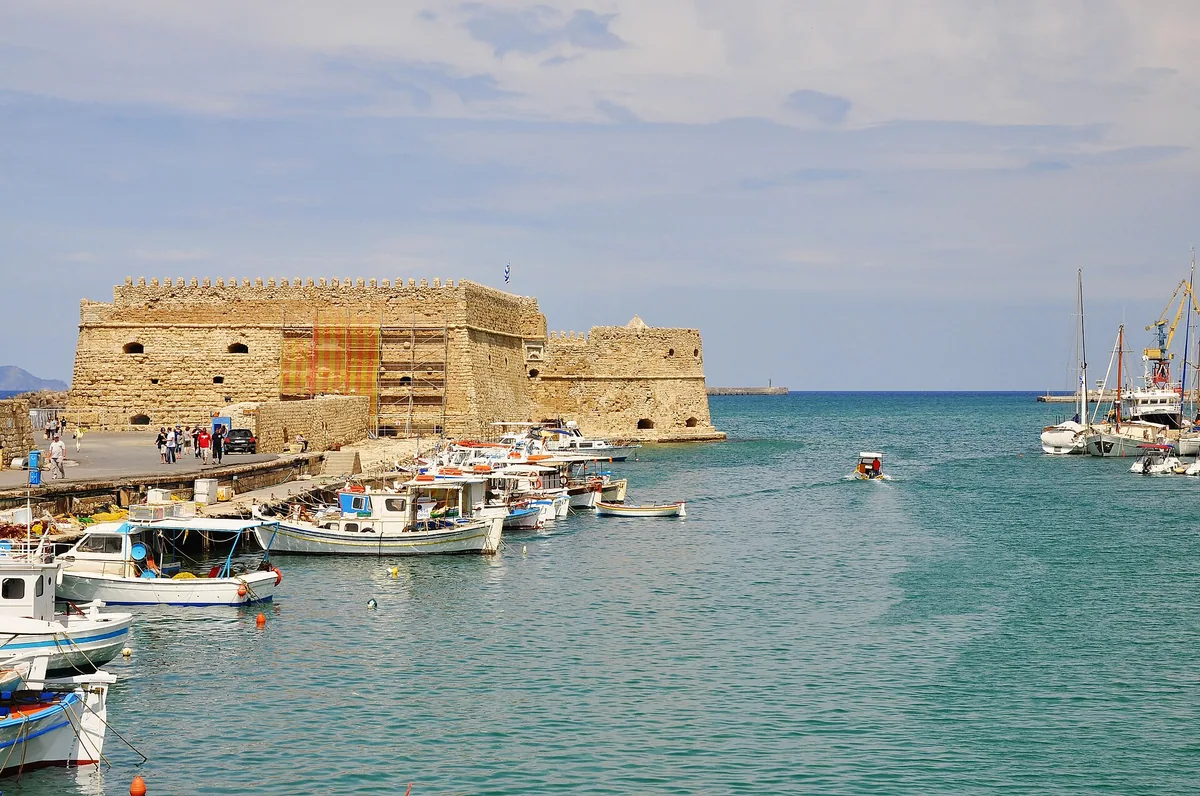 Greece(c) Moonik / CC BY-SA 3.0
Heraklion
Crete has two ferry doors and they are 150 kilometres apart. Choosing the wrong one does not cost you a ferry — it costs you a day of driving at the far end. Heraklion is the busier of the two, and it is the only one from which you can reach the Cyclades by sea, which for a lot of itineraries settles the question before price does.
Read guide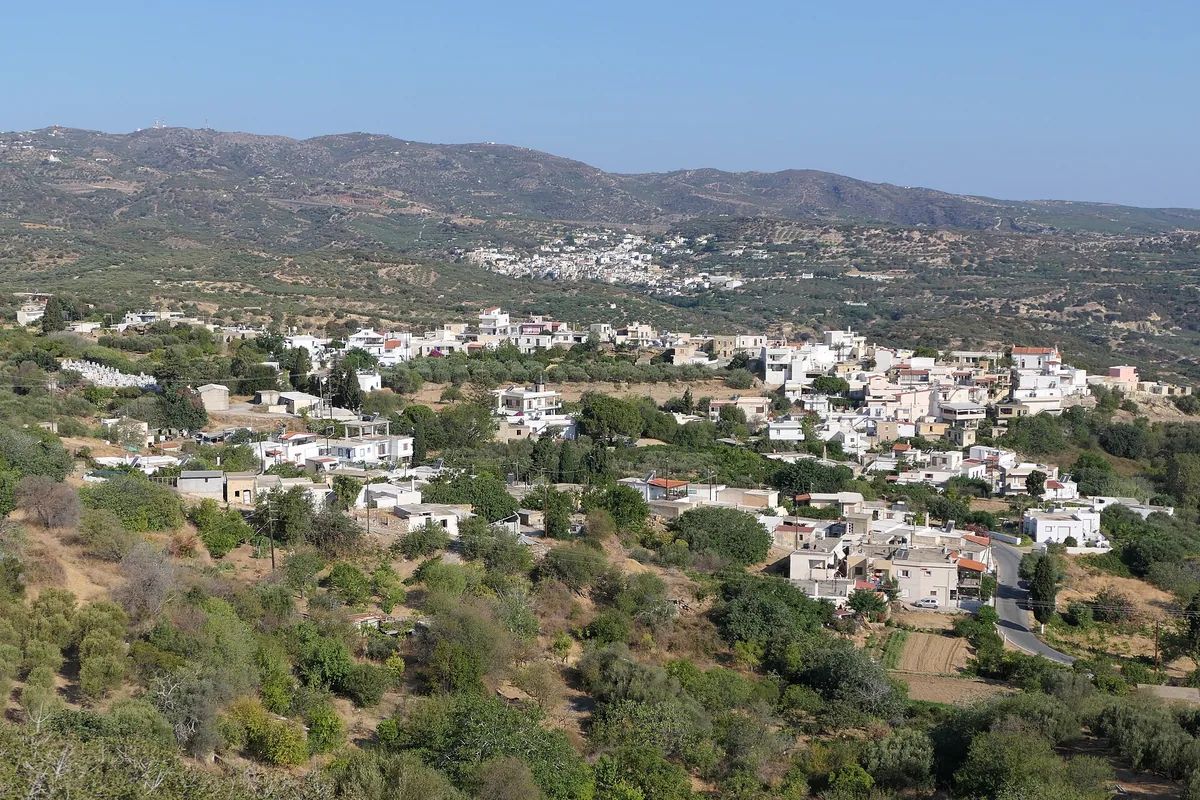 Greece(c) Petro Stelte / CC BY-SA 4.0
Sitia
Crete has three ferry doors, and this is the one nobody counts. Chania opens the west, Heraklion opens the Cyclades, and Sitia — at the far eastern end of the island — is the only Cretan port from which you can sail on into the Dodecanese. That single fact is worth more to an itinerary than everything else on this page.
Read guide
Cyclades
7 guides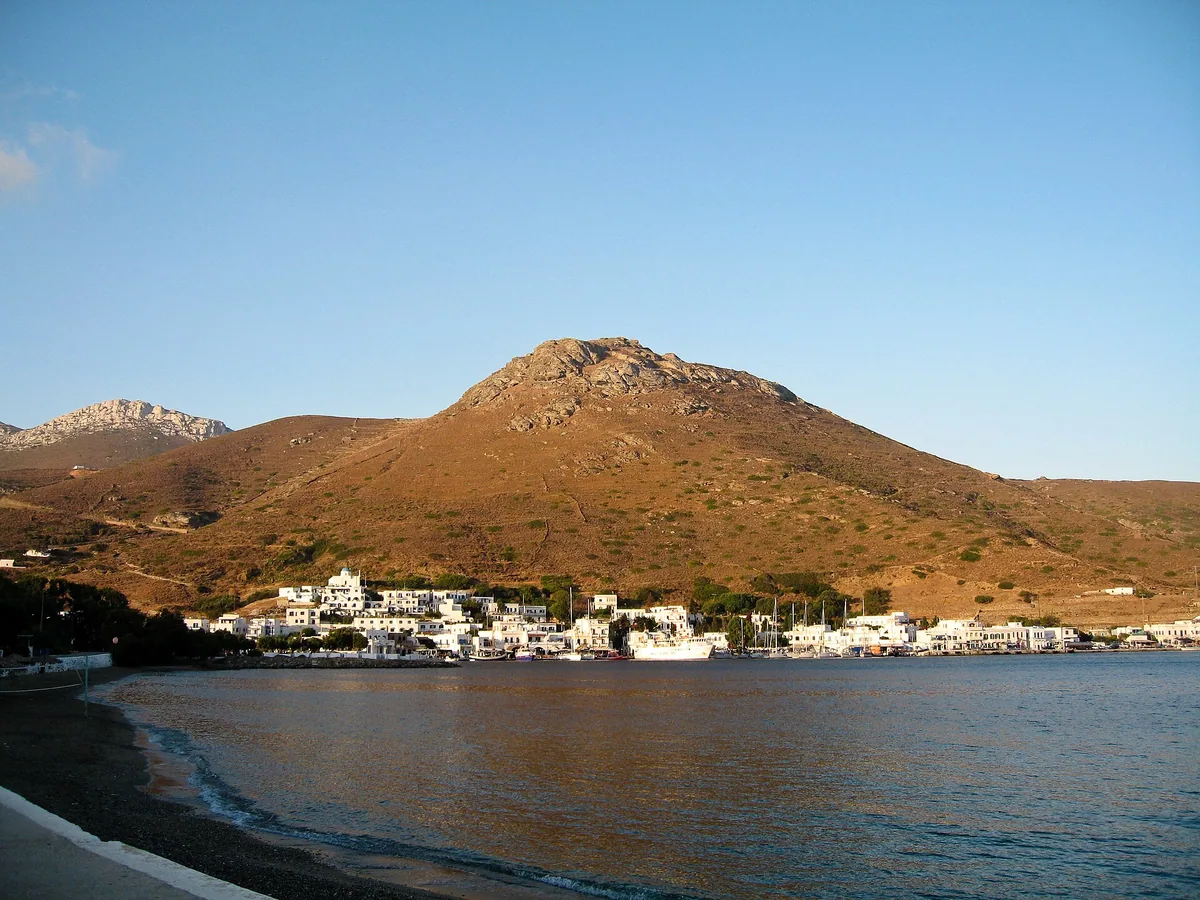 Greece(c) Oliwan / CC BY-SA 3.0
Amorgos
Amorgos is the last island of the Cyclades before open sea, long and thin and mountainous, and it has two ferry ports at opposite ends of it. The road between them climbs and descends the spine of the island. Booking the wrong one is the standard Amorgos mistake, and it costs a taxi fare and most of an afternoon.
Read guide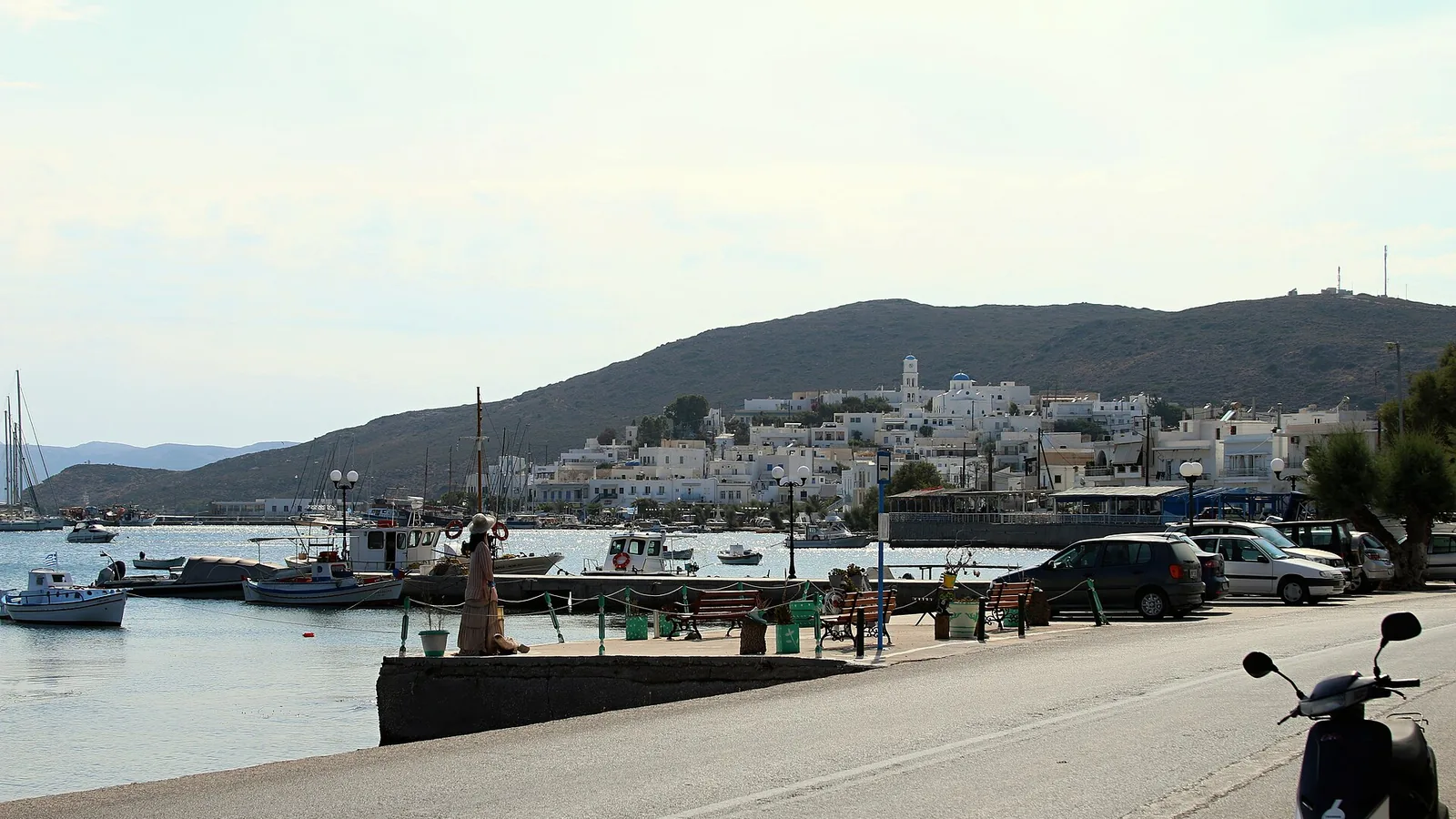 Greece(c) Zde / CC BY-SA 4.0
Milos
Nearly every ferry to Milos ties up at one place: Adamas (Adamantas), the island's harbour on its huge natural bay. From Athens you sail from Piraeus — a SeaJets high-speed catamaran does it in roughly 2h35m, while slower conventional ferries take about 5–7 hours but shrug off the wind. Milos also links into the Western Cyclades chain (Sifnos, Serifos, Paros, Naxos), Santorini, and Crete. It is a volcanic island of coloured cliffs, the moonscape of Sarakiniko, and the boat-only cove of Kleftiko.
Read guide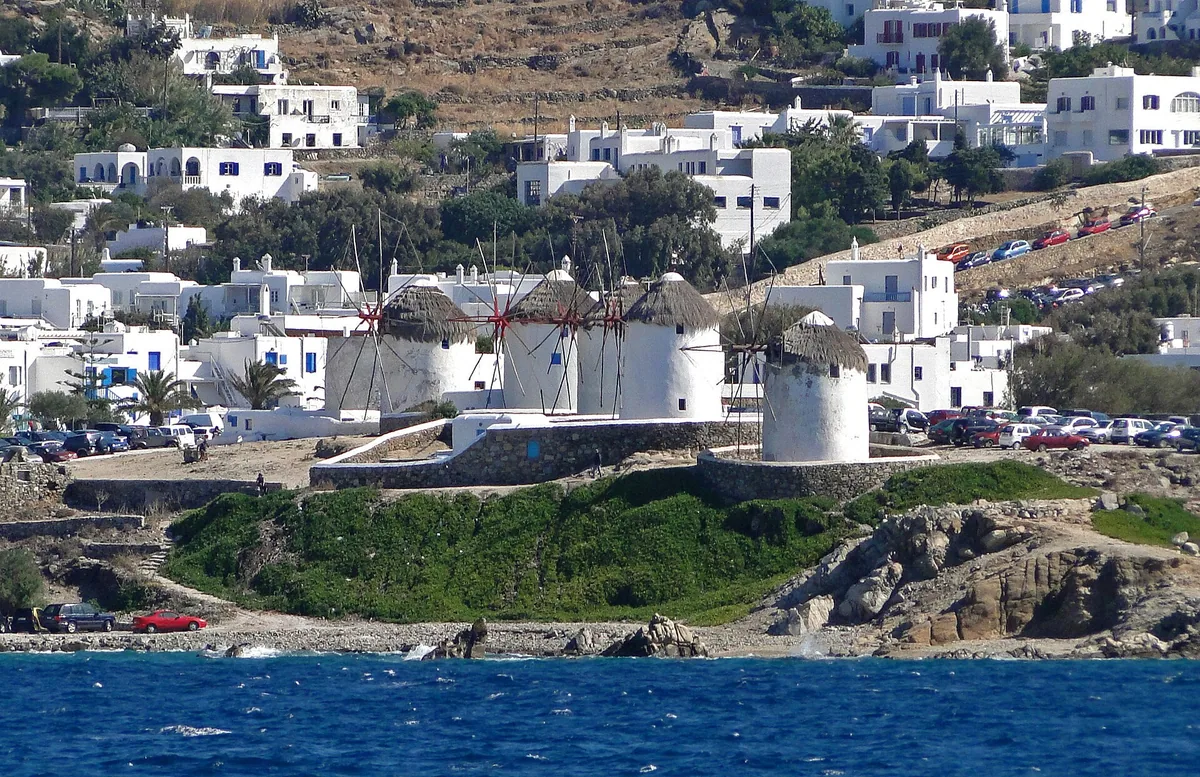 Greece(c) Bernard Gagnon / CC BY-SA 3.0
Mykonos
Mykonos has two ports and almost every scheduled ferry uses the new one at Tourlos, 2 km north of town. The walk is unpleasant and the taxis are few, but there is a neat solution most guides bury: a €2 passenger boat that runs from the New Port straight into the old harbour in Chora. Knowing that, plus which of Athens's two ports your ticket names, covers most of what goes wrong here.
Read guide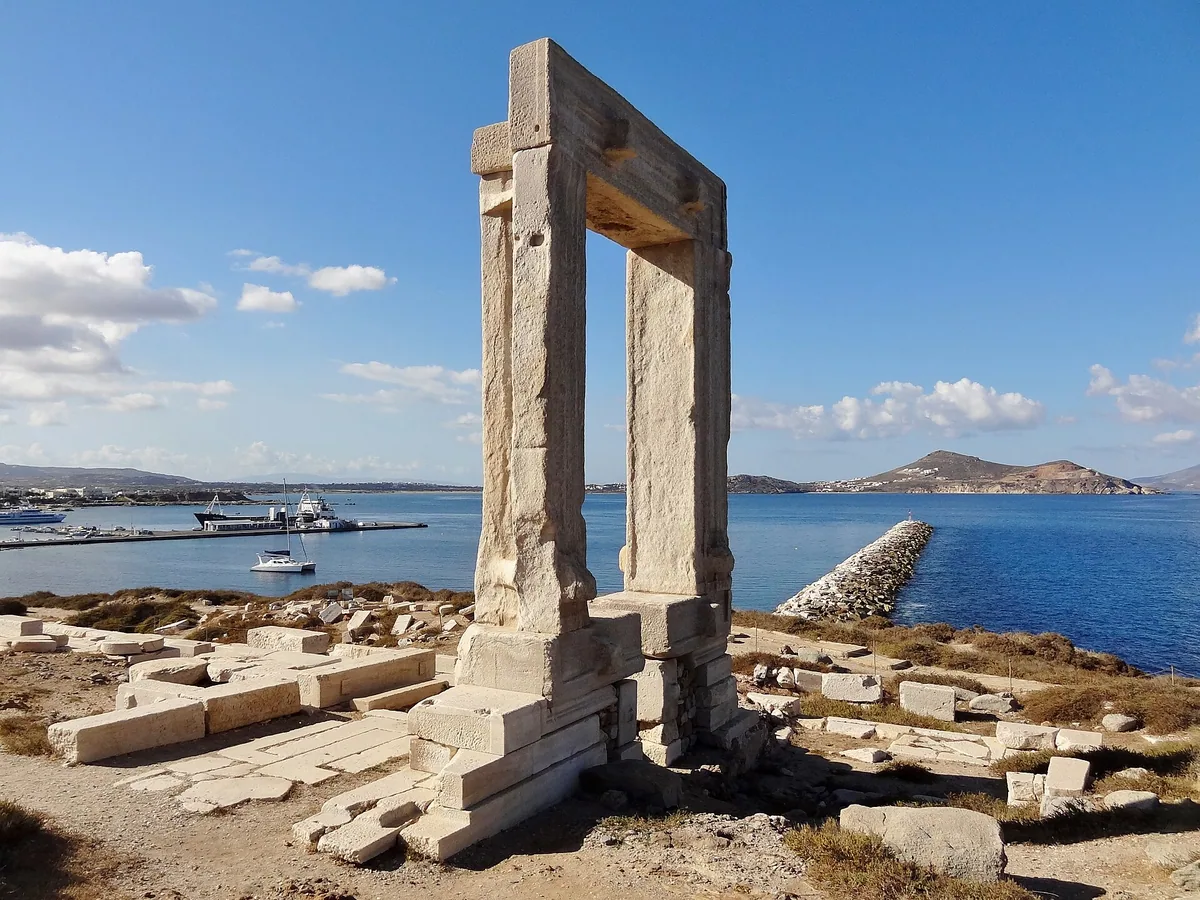 Greece(c) Olaf Tausch / CC BY 3.0
Naxos
Naxos is the largest of the Cyclades and the most central, which makes it unusual among Greek islands: you can reach it up to seven times a day from Piraeus, and once there, Mykonos is 35 minutes away and Santorini a little over an hour. The ferry decision is not really where to go but which kind of boat — the fast craft that saves two hours, or the conventional ship that still sails when the wind gets up.
Read guide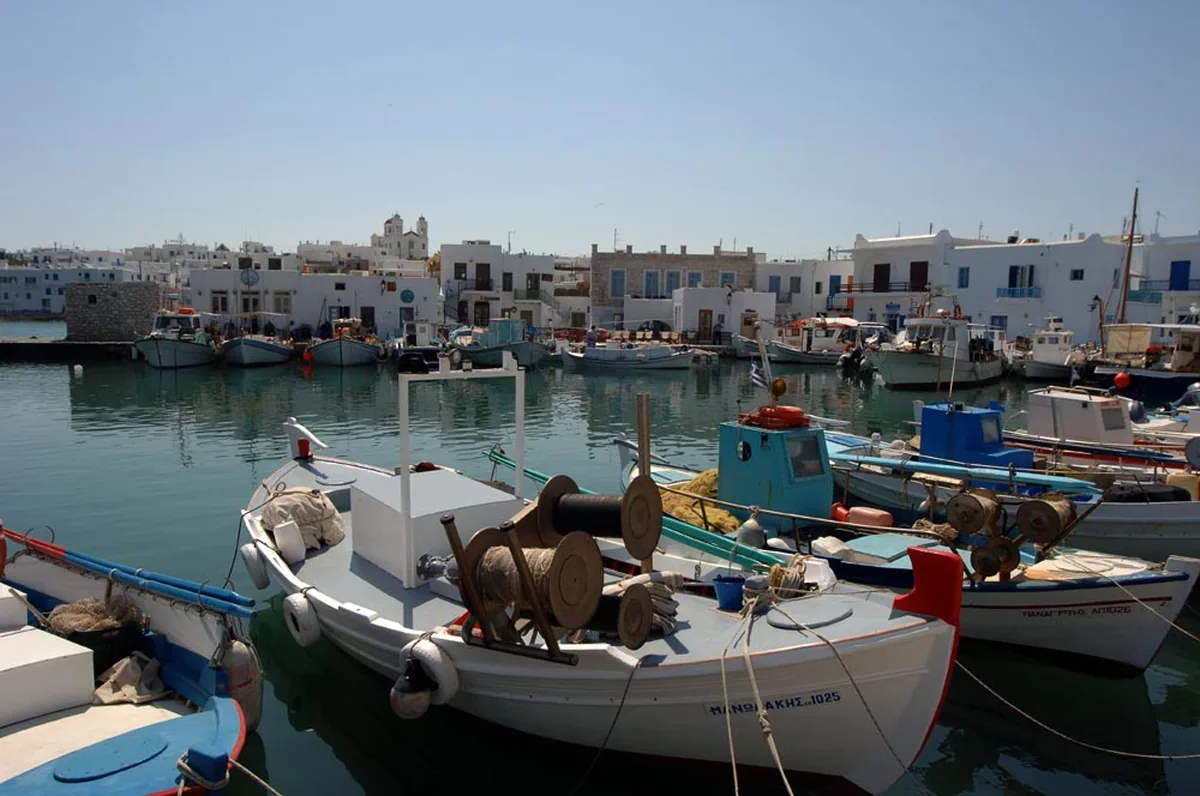 Greece(c) Holger Pfiffi / Public domain
Paros
Paros is the junction of the Cyclades. Most ships between Piraeus and the islands call here on the way somewhere else, which makes it the one place in the archipelago where you can change boats rather than backtrack. Naxos is twenty-five minutes away with thirteen sailings a day. That is not a ferry route; that is a bridge.
Read guide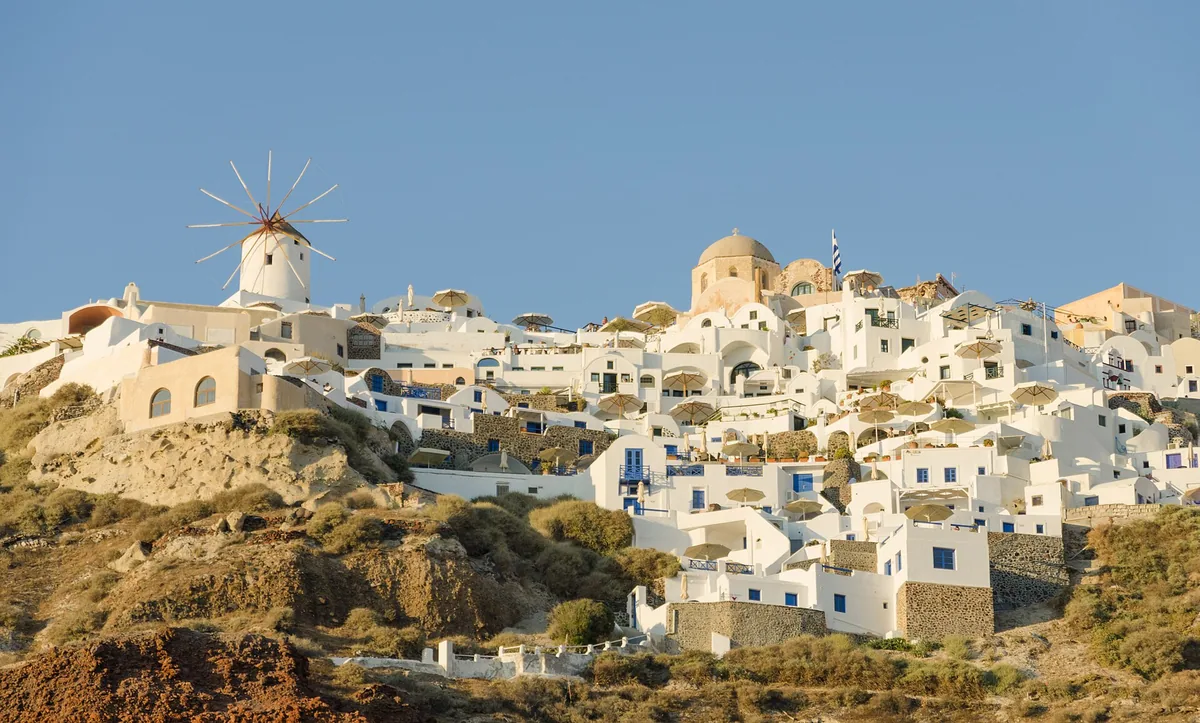 Greece(c) Norbert Nagel / CC BY-SA 3.0
Santorini
Arriving at Santorini by ferry is mostly a question of what happens after you land. Every boat uses Athinios, a port cut into the cliff with nothing around it — Fira is 7.5 km up the switchbacks, Oia is 20 km, there is no direct bus to Oia at all, and the island licenses only about thirty taxis. Plan the transfer before you plan the crossing.
Read guide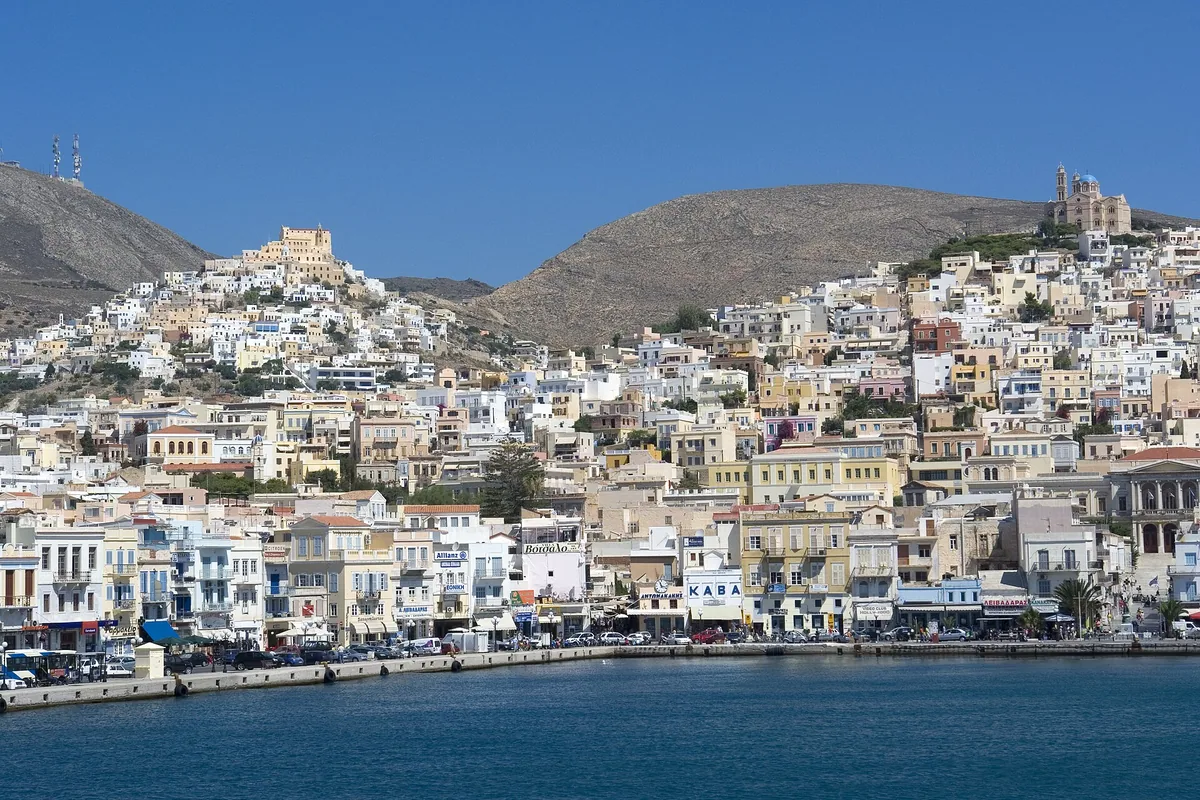 Greece(c) Hans Peter Schaefer / CC BY-SA 3.0
Syros
Syros is the administrative capital of the Cyclades, and it is the one island in the group that has a winter. Ermoupoli is a working neoclassical city with a shipyard, a courthouse and an opera house — not a resort with a town attached. Mykonos is twenty-five minutes away, which is the point: you can see it and then come back to somewhere real.
Read guide
Dalmatia
3 guides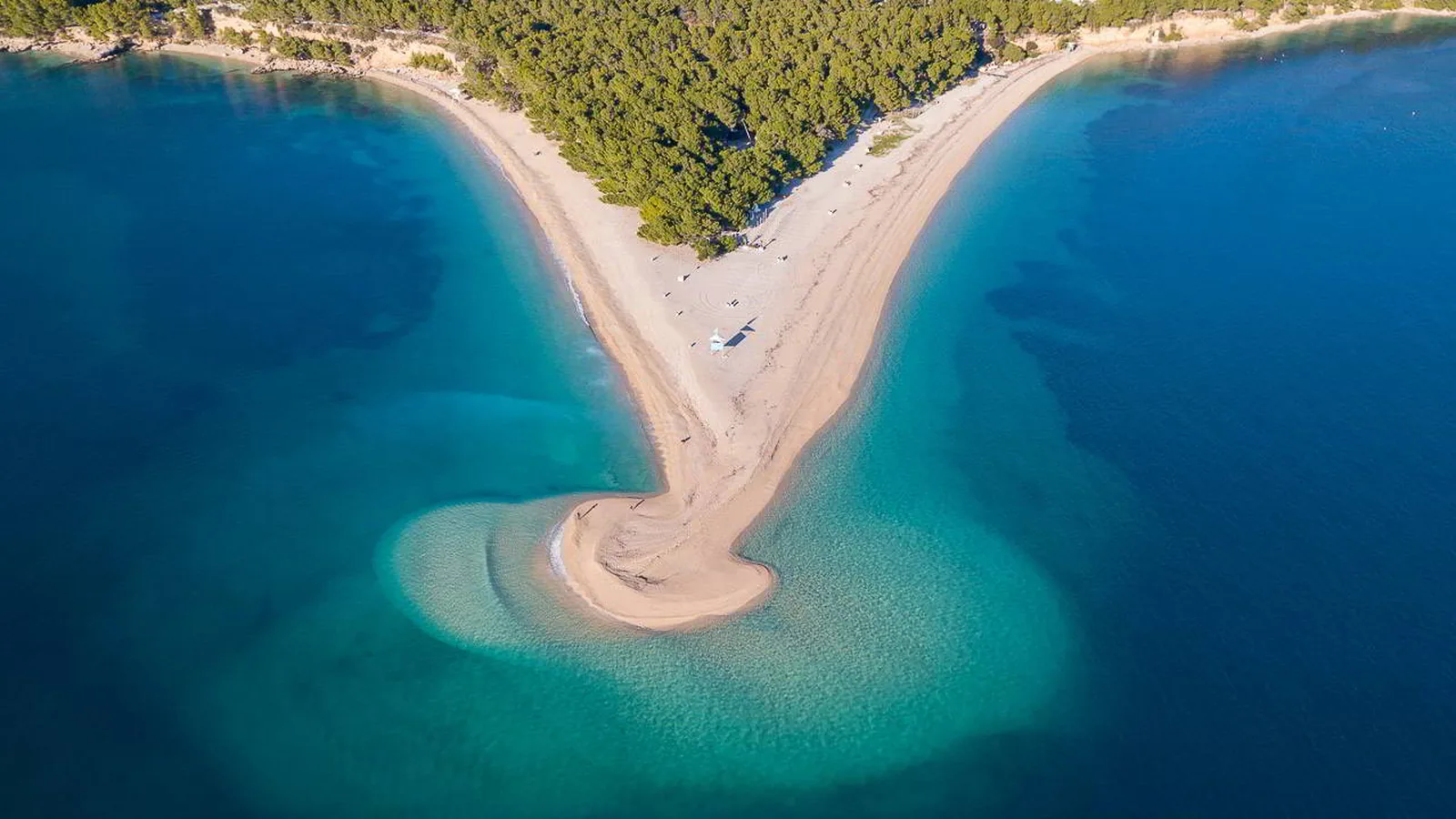 Croatia(c) Marin0110 / CC BY-SA 4.0
Brač (Bol & Supetar)
Brač has two ferry front doors. The workhorse is the Split–Supetar car ferry (Jadrolinija line 631), a roughly 50-minute crossing that runs all year, takes vehicles, and lands you on the island's north coast. In summer a passenger-only catamaran sails straight to Bol on the south coast in about an hour, dropping you a short walk from Zlatni Rat, the famous shape-shifting beach. Which you pick depends on whether you want a car, and when you travel.
Read guide Croatia(c) Eleanor Abernathy / CC BY-SA 3.0
Split
Ten routes leave Split for the Dalmatian islands — more than any other port in our timetable — and they leave from a quay a ten-minute walk from a Roman emperor's palace. That combination is the whole argument for basing yourself here rather than on any single island. The one decision that actually costs you time is catamaran or car ferry, and it is not the obvious one.
Read guide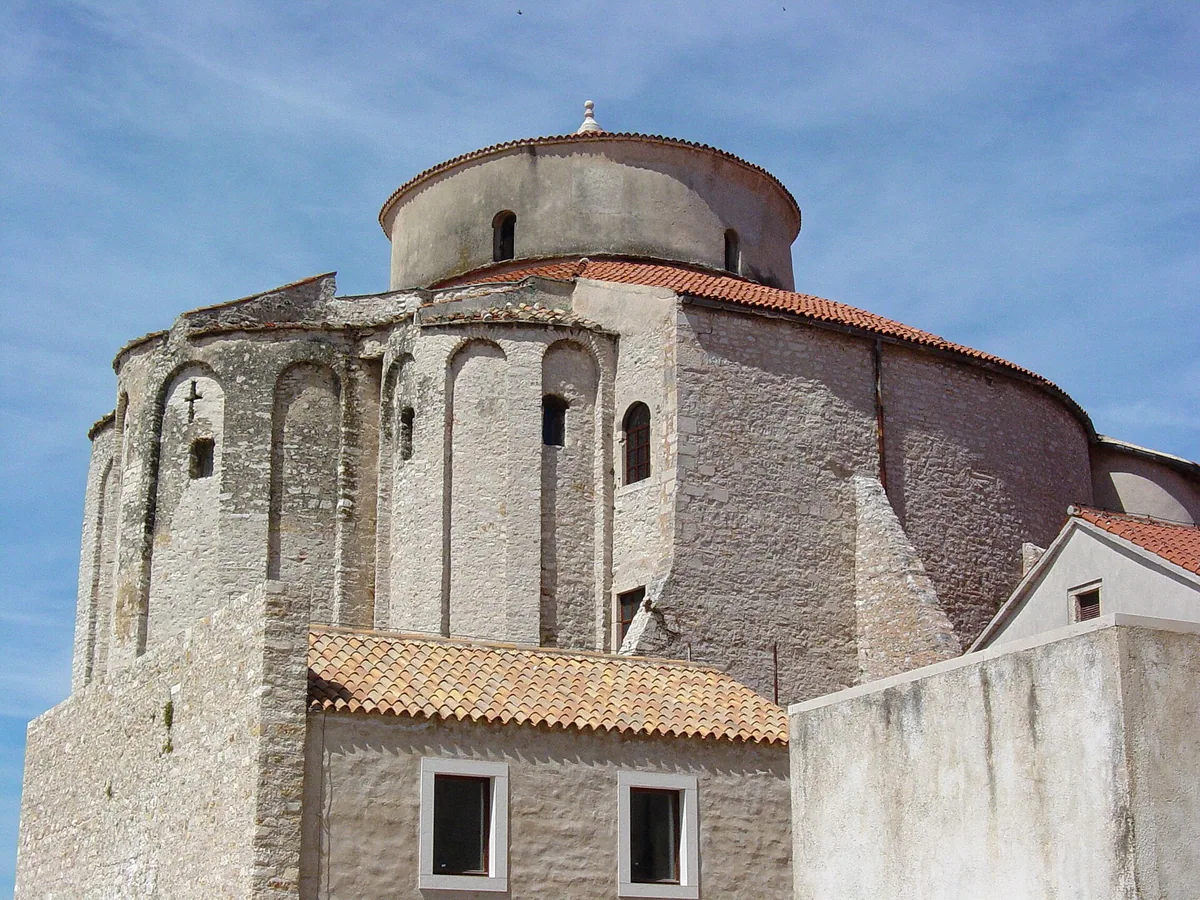 Croatia(c) Adam Jones Adam63 / CC BY-SA 3.0
Zadar
Zadar's islands are not the ones on the postcards. Sali, Silba, Premuda, Iz, Sestrunj — a few hundred residents each, no cruise tenders, no queue for a table. More than fifteen islands sit in this archipelago and the ferries that serve them were built for the people who live there. That is a completely different product from the one two hours down the coast, and it is the reason to come here.
Read guide
Dodecanese
6 guides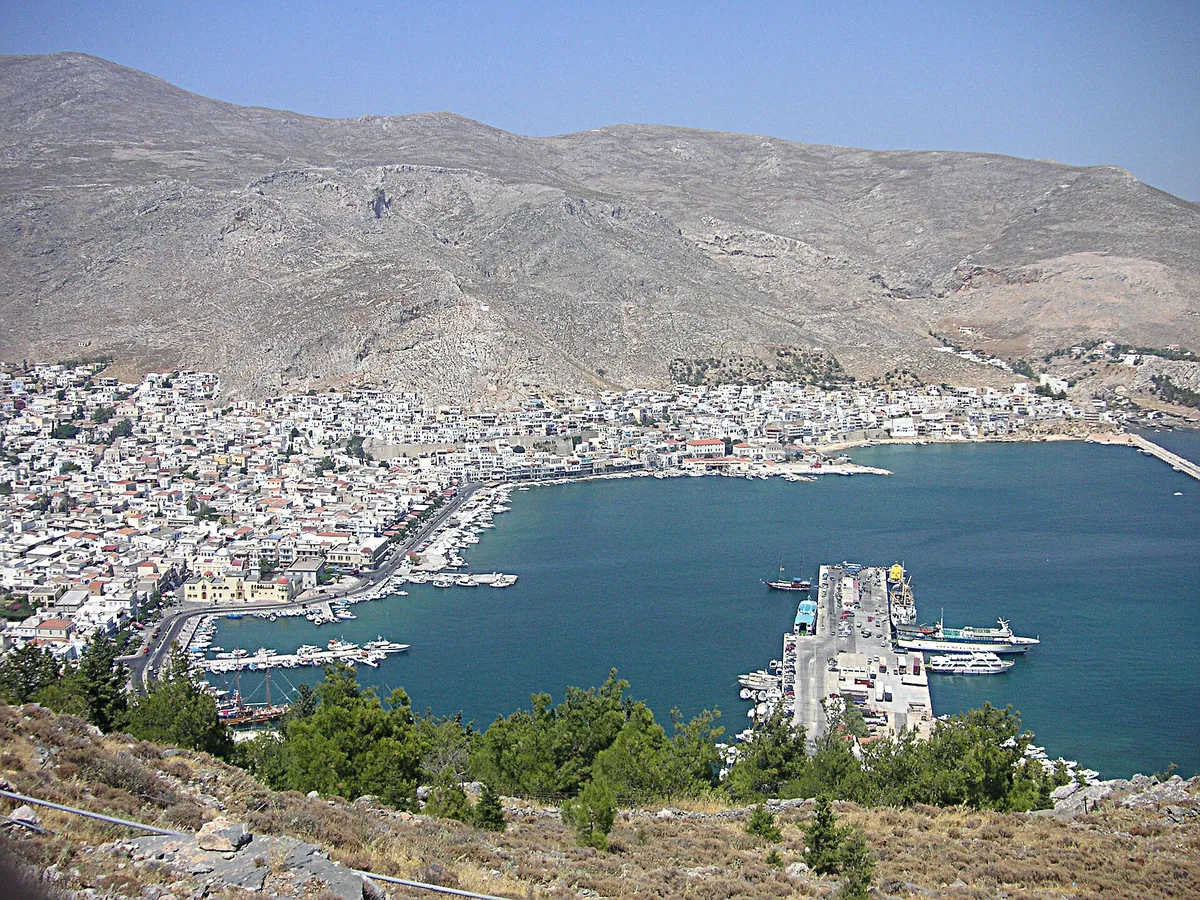 Greece(c) Wikimedia Commons / CC BY-SA 3.0
Kalymnos
Kalymnos runs on a different calendar from the rest of Greece. Its visitors come to climb, and climbing weather is the cool half of the year — so the island fills up when Mykonos is boarded shut and empties in the August heat everyone else books for. Getting here is also not what the map suggests: the fast way in is a small boat from a village on Kos that most Kos visitors never see.
Read guide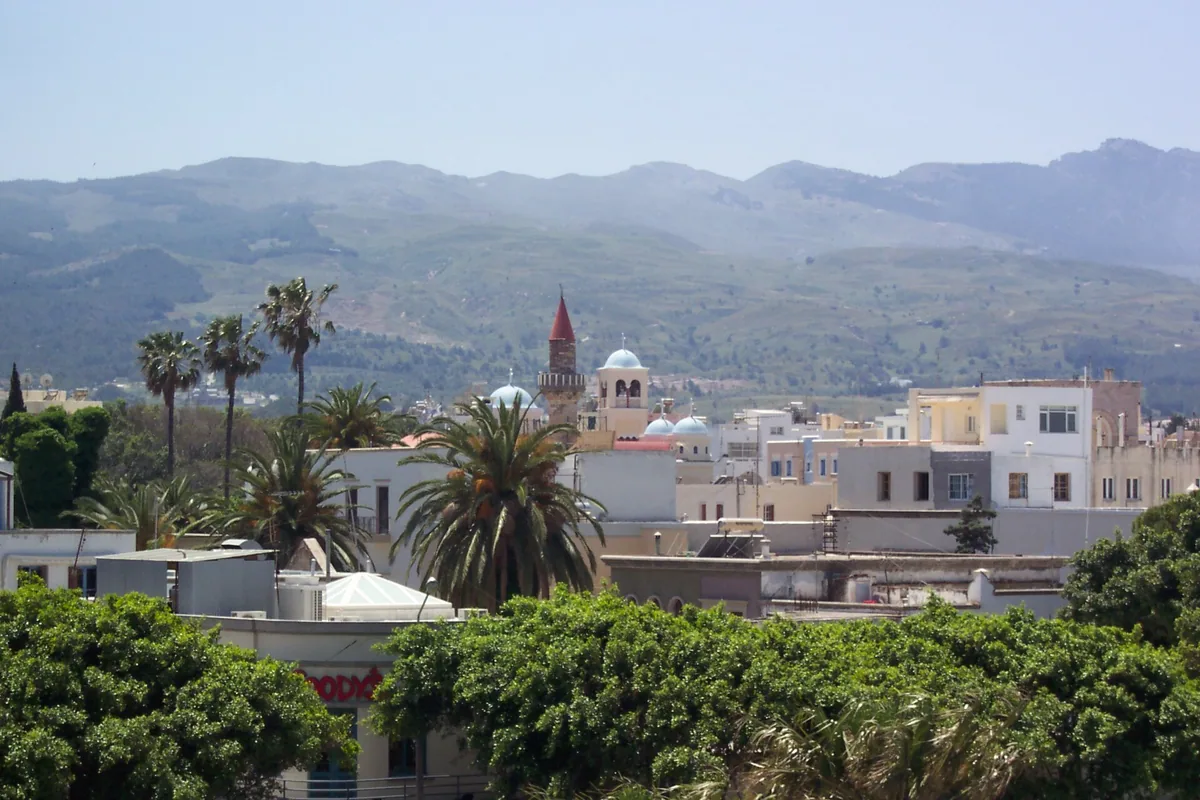 Greece(c) JD554 / CC BY-SA 3.0
Kos
Kos has four working harbours and an airport that sits 7 km from one of them and 23 km from the main one. Nobody tells you this before you book, and it is the difference between a ten-minute transfer and an hour of it. The island is also the shortest hop to Turkey anywhere in the Dodecanese — half an hour to Bodrum, and by some distance the most-searched crossing on this island.
Read guide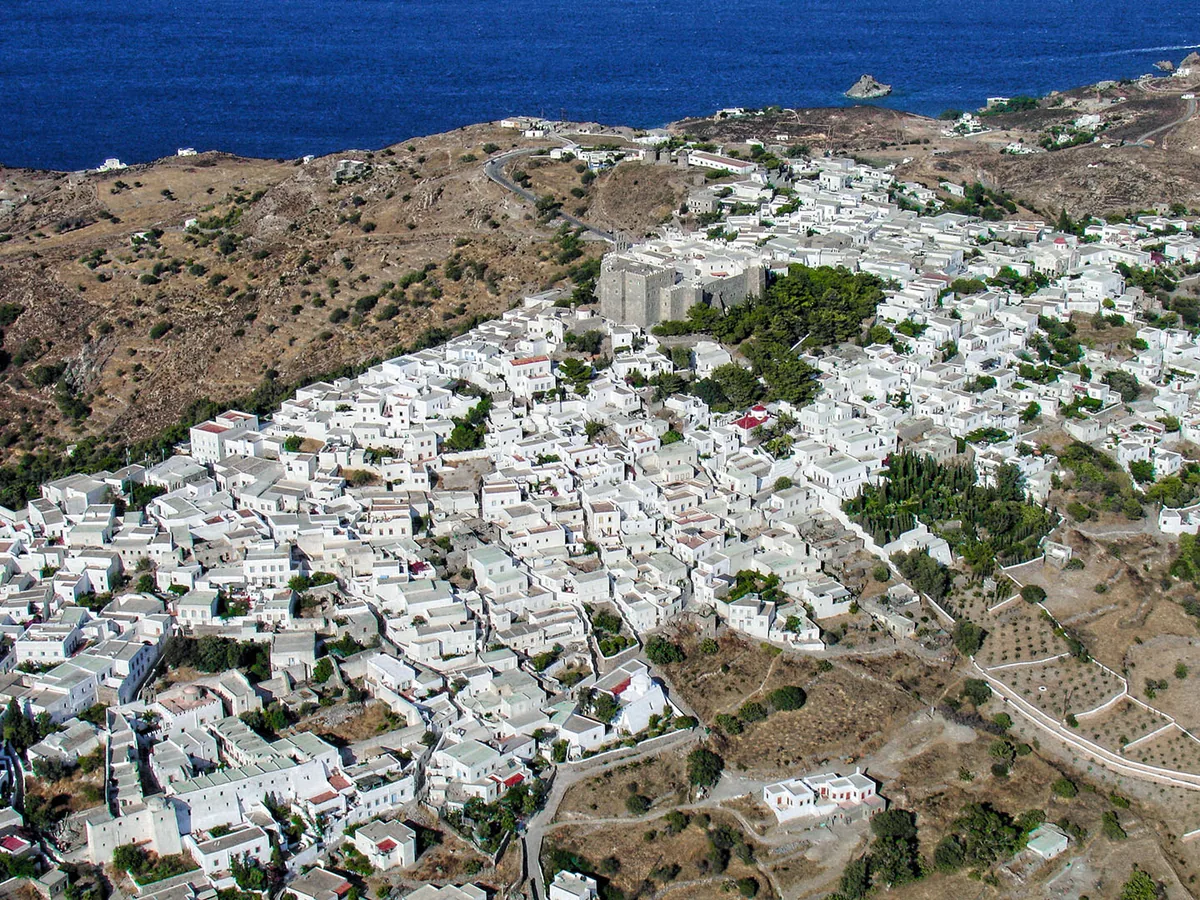 Greece(c) airphoto.gr / CC BY-SA 4.0
Patmos & Leros
Patmos and Leros are two separate islands about thirty kilometres apart, and they appear together here for one honest reason: the Blue Star ship that serves the northern Dodecanese calls at both on the same run, so travellers routinely treat them as a pair. They are not remotely alike. One is a pilgrimage site with a fortified monastery on its skyline; the other is a naval bay with Italian rationalist architecture around it.
Read guide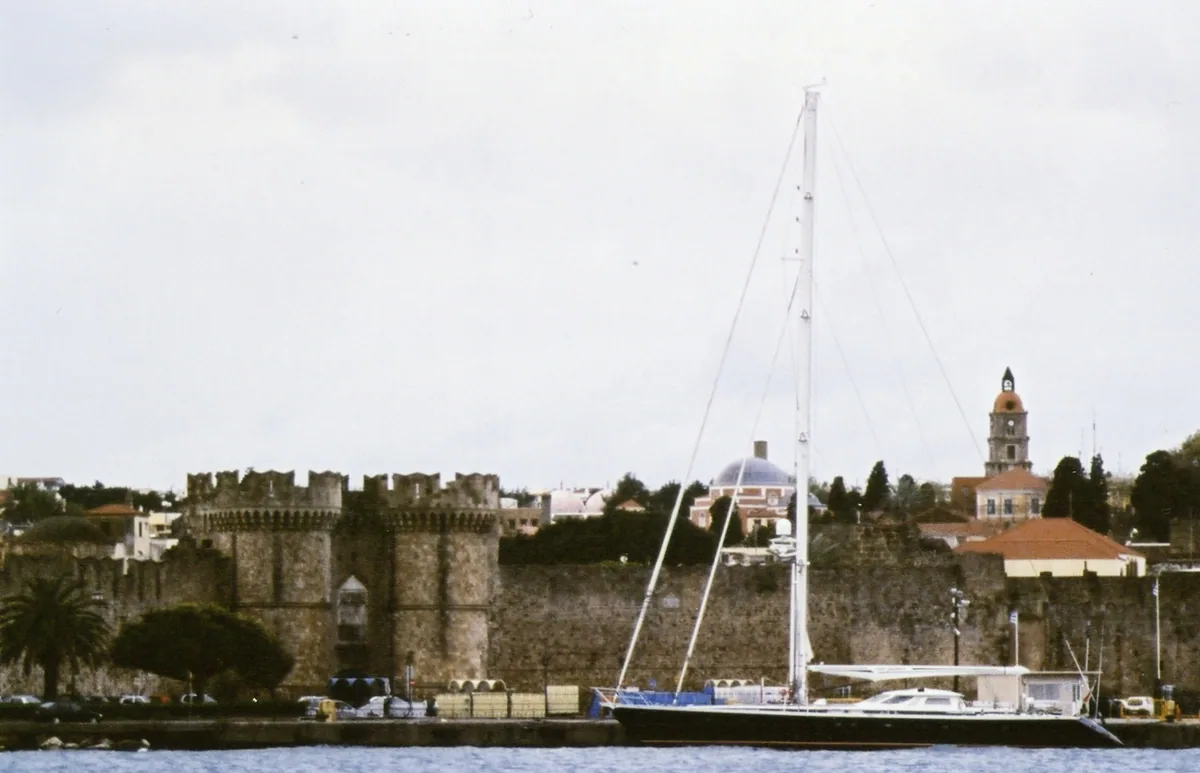 Greece(c) Wikimedia Commons / Public domain
Rhodes
Rhodes Town has three working ferry harbours within about a kilometre of each other, and which one your boat uses is decided by the boat, not by where you are going. Get that wrong and you are dragging a suitcase between two of them in August heat. The rest is straightforward: the big ships to Athens sail overnight, the small ones fan out across the Dodecanese, and — rarely for a Greek island — two of them cross to Turkey.
Read guide- Greece
Symi
Every morning in season, excursion boats leave Rhodes Town for Symi at half past eight and bring everyone back by seven. For those hours the harbour at Gialos is full. What almost nobody does is stay — and Gialos, a neoclassical amphitheatre of ochre and white houses stacked around the water, is a different place once the day boats have gone.
Read guide 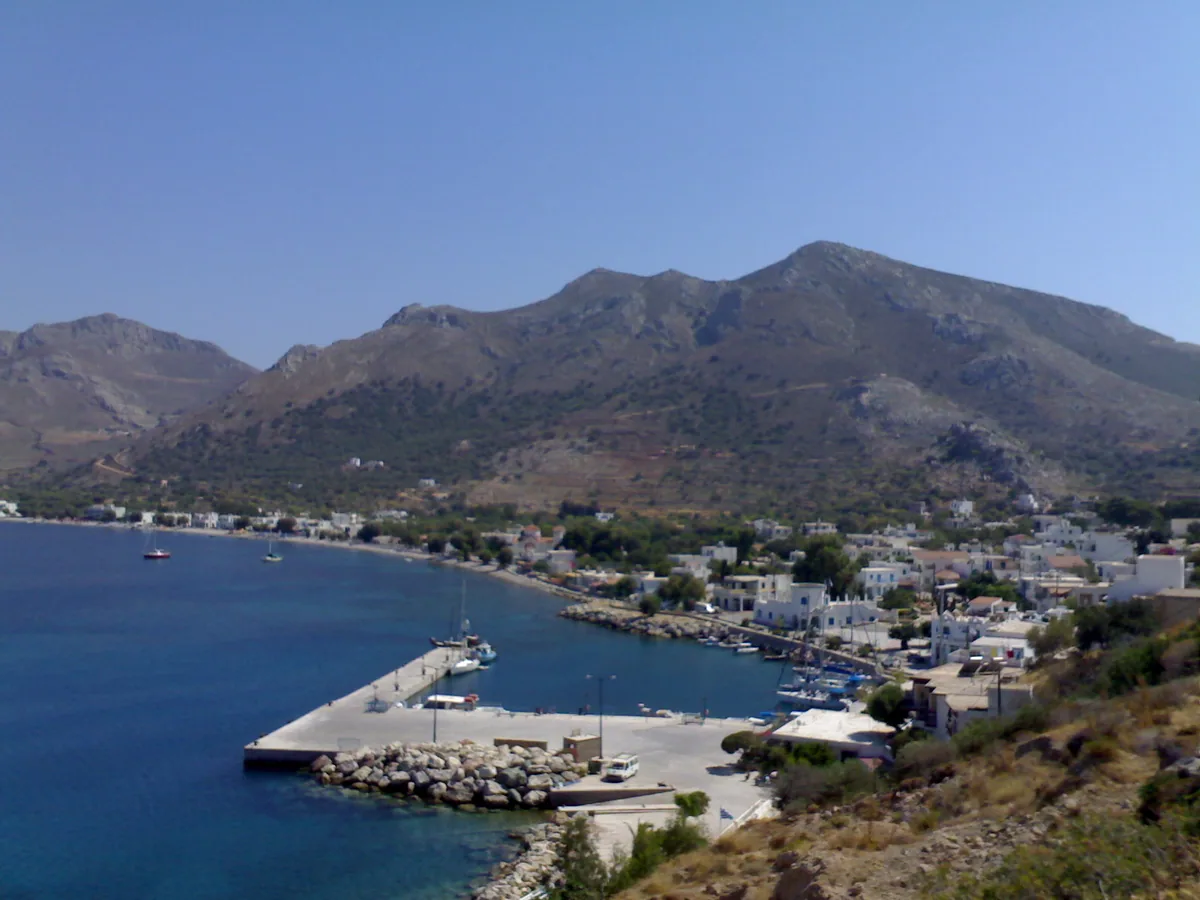 Greece(c) freddie boy / CC BY-SA 2.0
Tilos
In 2019 Tilos became the first island in the Mediterranean to run on its own renewable power — one wind turbine, a field of solar panels and a battery, for a population you could fit in a village hall. It is also a Natura 2000 wildlife refuge with more than 160 recorded bird species. Those two facts survive for the same reason: the ferry does not come very often, and that is the point.
Read guide
Dubrovnik-Neretva County
2 guides- Croatia
Dubrovnik
Ferries do not leave from the Old Town. Every sailing — the catamarans to Mljet and Korčula, the Elaphiti islands boat, the overnight ship to Italy — departs from Gruž, about 3 km northwest along the coast. Getting that one fact right saves an unpleasant morning, and the rest of the planning follows from which of the four kinds of vessel you actually need.
Read guide - Croatia
Korčula
Korčula has three ferry ports and the two that matter sit at opposite ends of a 47 km island. Korčula Town puts you a few minutes from the walled Old Town; Vela Luka is 35 km west. Which one your sailing uses — and whether you have a car, because no vehicle ferry reaches Korčula Town at all — decides more about the day than the crossing time does.
Read guide
Epirus (mainland gateway)
1 guide
Ionian Islands
1 guide
Kvarner
1 guide
Muğla
1 guideMøre og Romsdal
1 guide
Nordland
2 guides Norway(c) Jörg Hempel / CC BY-SA 2.0 de
Lofoten Islands
Lofoten's road is fine. The ferry is the problem. Almost everyone driving to the islands crosses the Vestfjorden from Bodø to Moskenes, and in summer those car spaces disappear from the booking system weeks ahead — while the alternative, the long road in from the north, adds most of a day. Sorting the ferry first is not a detail of the trip; on this archipelago it is the trip.
Read guide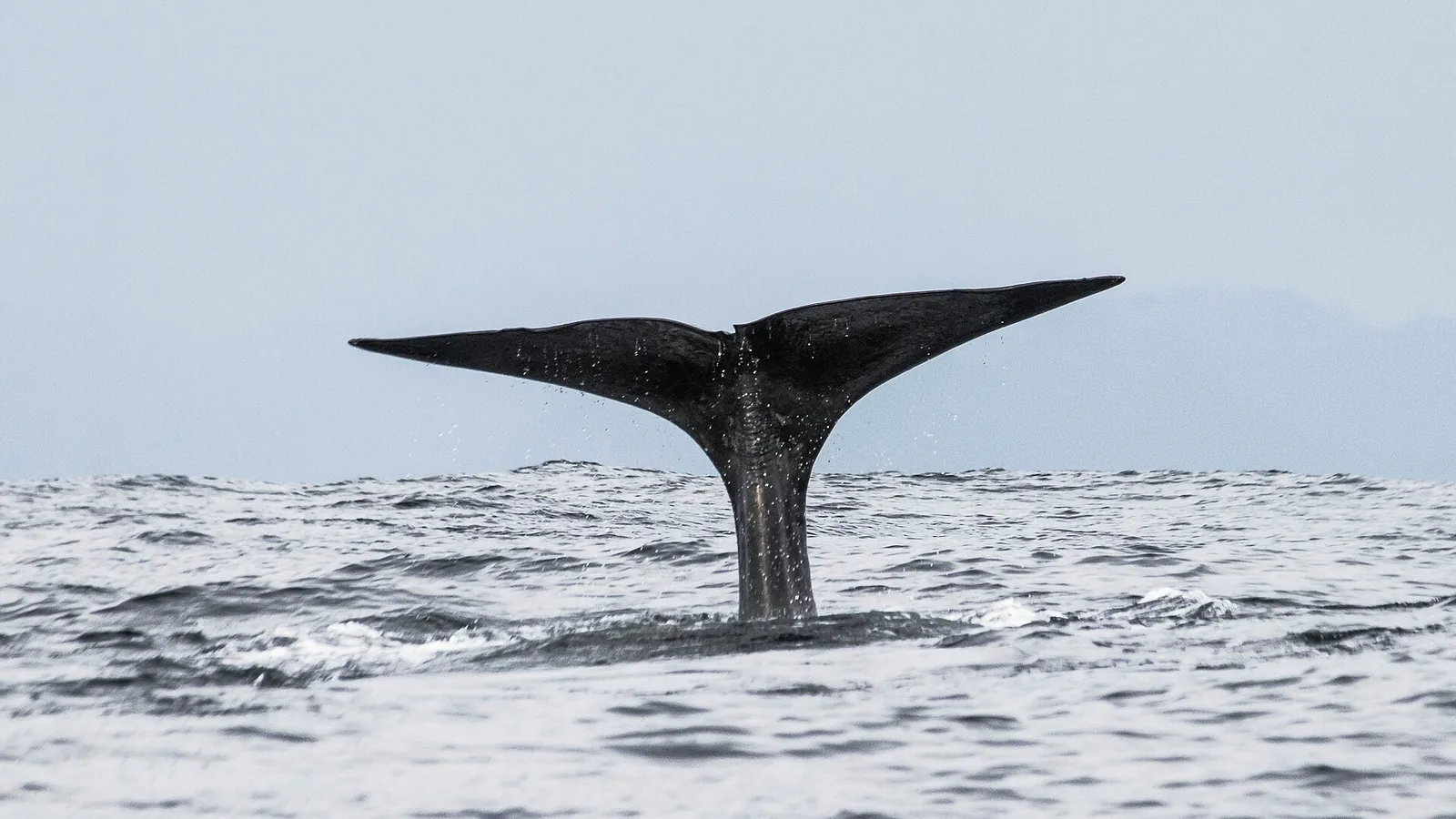 Norway(c) Buiobuione / CC BY-SA 4.0
Vesterålen
Drive north out of Lofoten and the peaks soften, the beaches widen and the tour buses stop. Vesterålen is the archipelago people pass through, and the road through it ends at Andenes on the northern tip. From there you either turn round and drive back the way you came, or you take a small summer ferry across open water to Senja. There is no third option.
Read guide
North Aegean
3 guides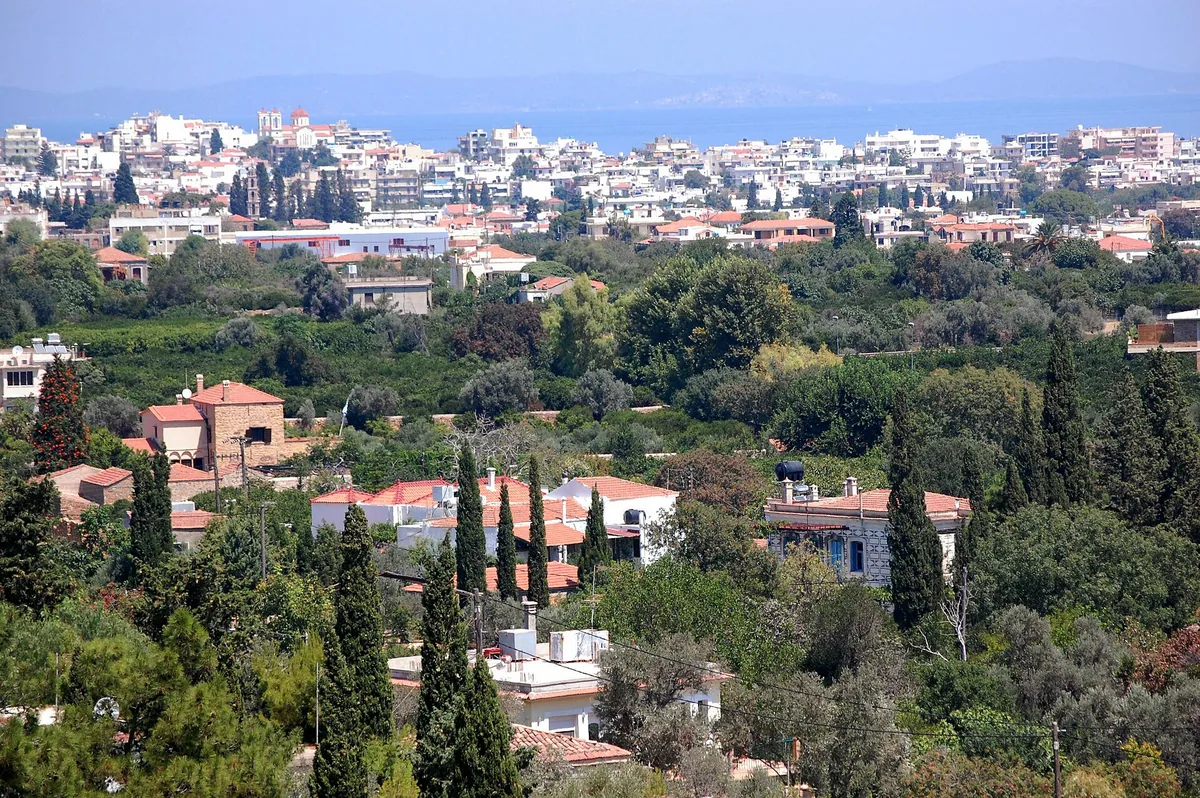 Greece(c) AlekH / CC BY 3.0
Chios
Chios is not a resort island that happens to have a port. It is a working island with an export crop that grows nowhere else on earth, a shipping fortune behind it, and a ferry timetable built around residents rather than holidaymakers. It also happens to sit forty-five minutes from Turkey, which makes it one of the easiest Greek islands to reach and one of the least transited.
Read guide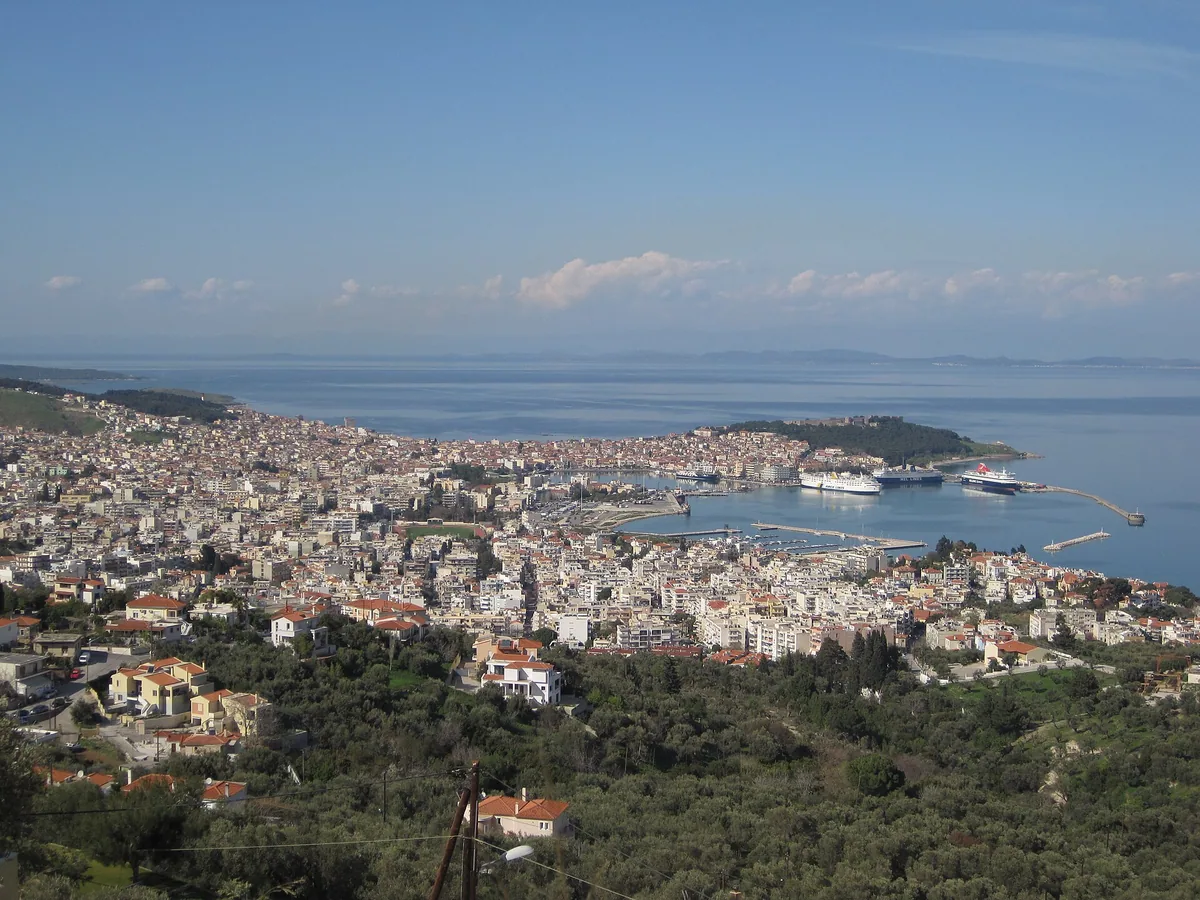 Greece(c) Koutrolm / Public domain
Lesvos
Lesvos covers 1,632 square kilometres — bigger than several countries with seats at the United Nations — and it is twelve hours from Athens by sea. It is also ninety minutes from Turkey. Those two numbers together explain almost everything about how the island works, including why most visitors arrive with a plan for a week and discover they have booked one for a weekend.
Read guide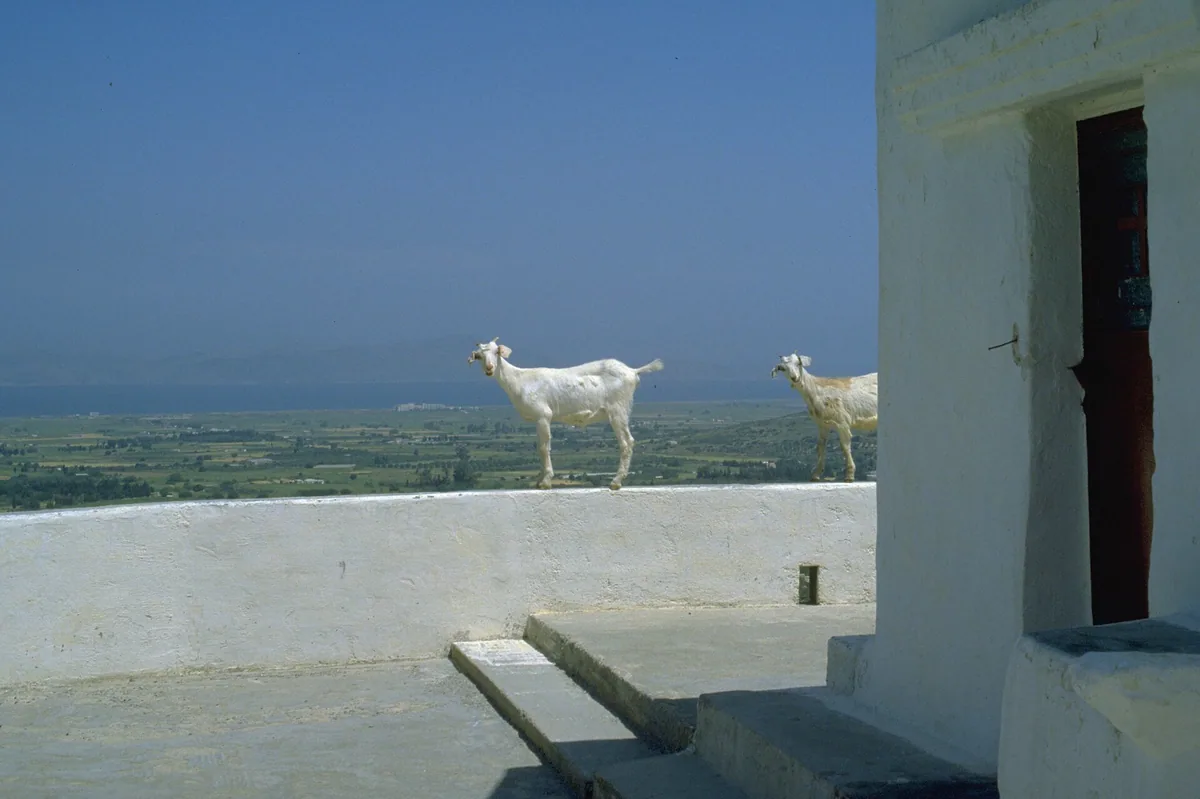 Greece(c) John Hayman / Public domain
Samos
From Samos, Turkey is seventy-five minutes away and Athens is nine hours. That single fact reorganises how the island is used: Ephesus is an easy day out, İzmir is a plausible airport, and the ferry to Piraeus is an overnight you take once. The island has three harbours, and one of them cannot help you cross to Turkey at all.
Read guide
Oriental
1 guideSardinia
1 guideSaronic Gulf
2 guides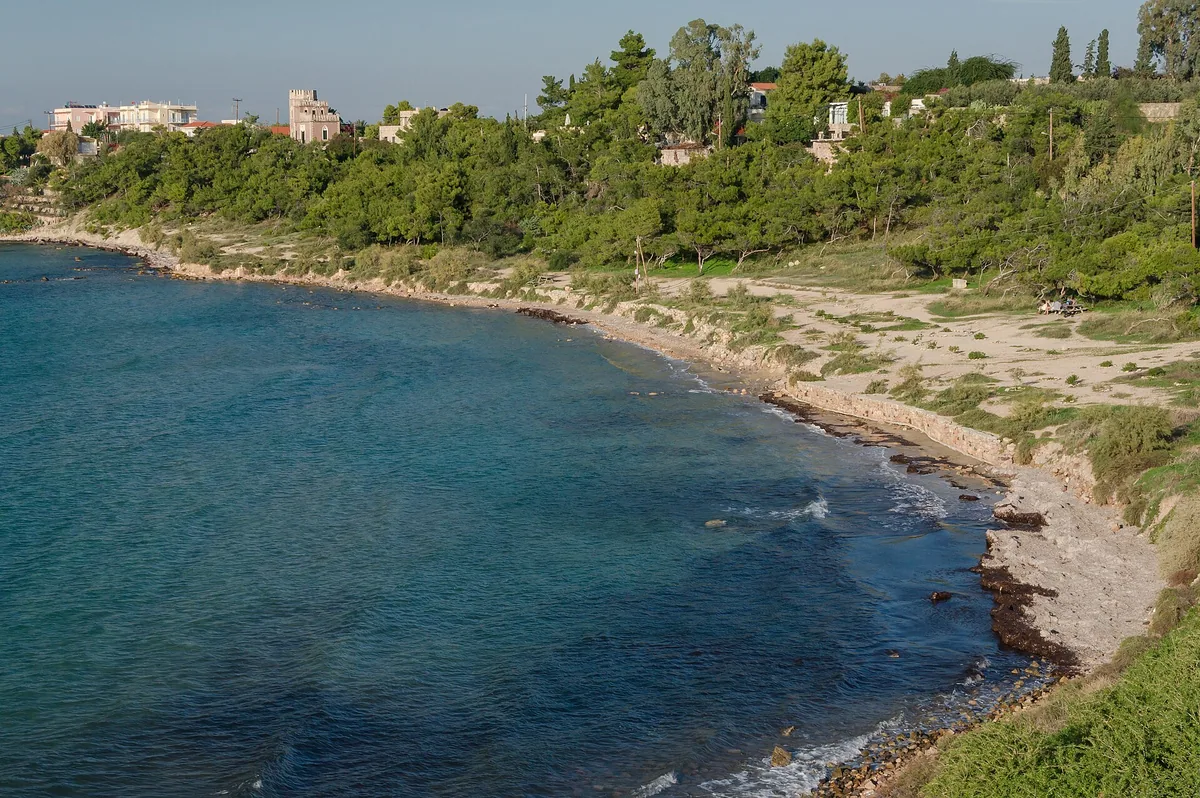 Greece(c) Jebulon / CC0
Aegina
Aegina is forty minutes from Athens and behaves accordingly. People commute from it, weekend on it and buy their pistachios from it, and the ferry runs like a bus route rather than a holiday service. The one thing worth deciding before you book is which of the island's two ports your boat is going to, because they are on opposite coasts.
Read guide Greece(c) Daniel Lobo / CC BY 2.0
Spetses
Spetses bans cars, and the fastest way to reach it is to drive. That is not a contradiction — you drive to a village on the Peloponnese coast, park, and cross in ten minutes. The Piraeus hydrofoil takes two to three hours and most people book it because it is the option they can see, which is how an island ten minutes offshore ends up being an afternoon's journey.
Read guide
Sicily
2 guides- Italy
Milazzo
Milazzo exists, for most travellers, as the twenty minutes between a train and a boat. It is the closest mainland port to the Aeolian Islands and the busiest — up to thirty departures a day in high summer, the first around seven in the morning, to all seven islands. What nobody explains is that two completely different kinds of vessel share that timetable, and the duration printed on your ticket is how you tell them apart.
Read guide - Italy
Palermo
Nothing leaves Palermo quickly. Every scheduled ferry from Sicily's capital is a long-haul ship — an overnight to the Italian mainland, a full day to Genoa, or a crossing to North Africa — and they all go from one terminal in the middle of the city. There is no island-hopping here and no fast catamaran network. What there is, is a car deck and a cabin, and a country on the other side of the night.
Read guide
Split-Dalmatia County
1 guideTroms
2 guides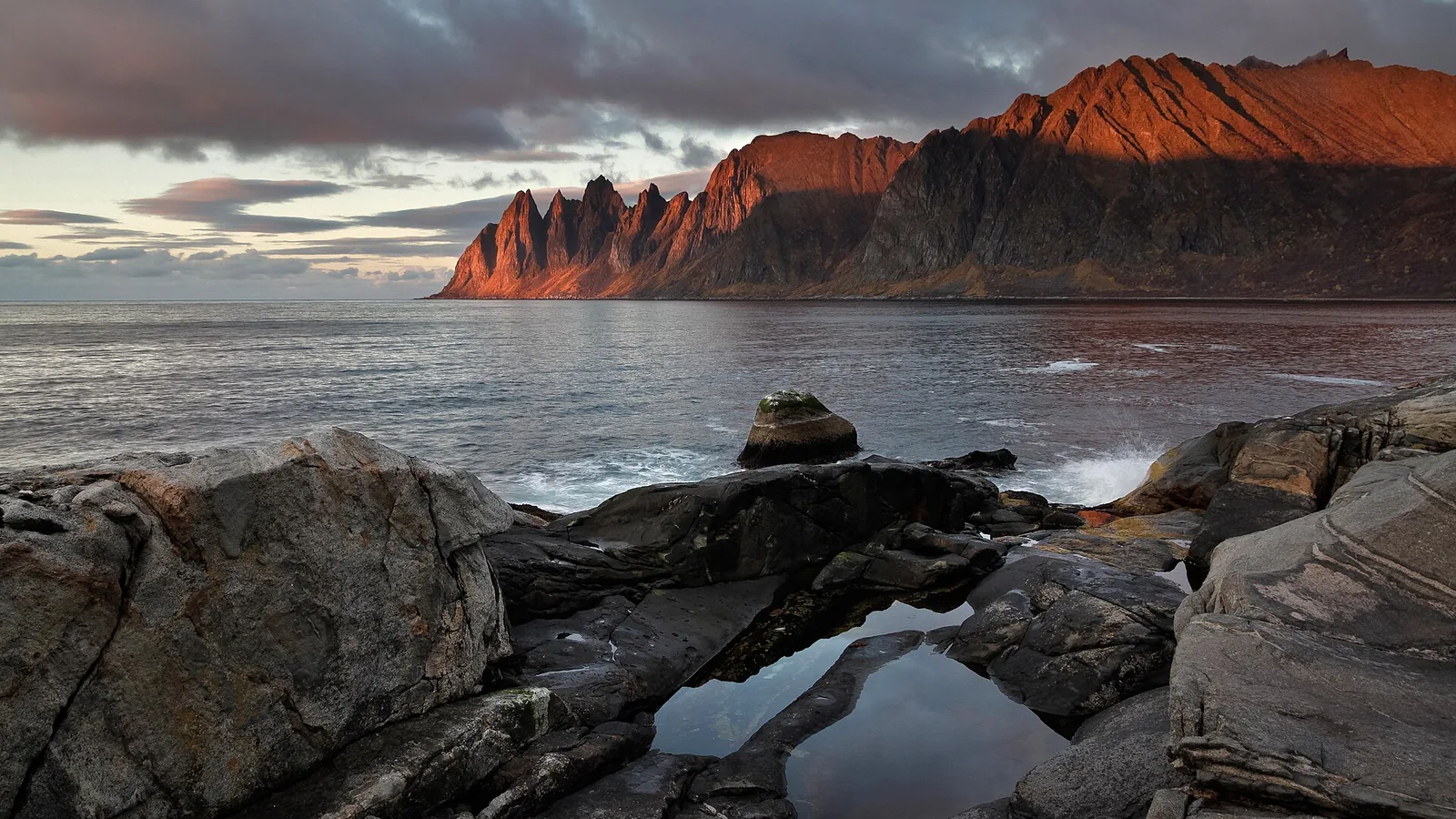 Norway(c) Ximonic (Simo Räsänen) / CC BY-SA 3.0
Senja
Norway's second-largest island has one road worth driving, two ways in by sea, and a booking system for neither of them that works the way you expect. The famous crossing from Andenes cannot be reserved — you queue for it. The express boat from Tromsø can be reserved, and from February 2026 it effectively must be. Getting to Senja is a scheduling exercise before it is a scenic one.
Read guide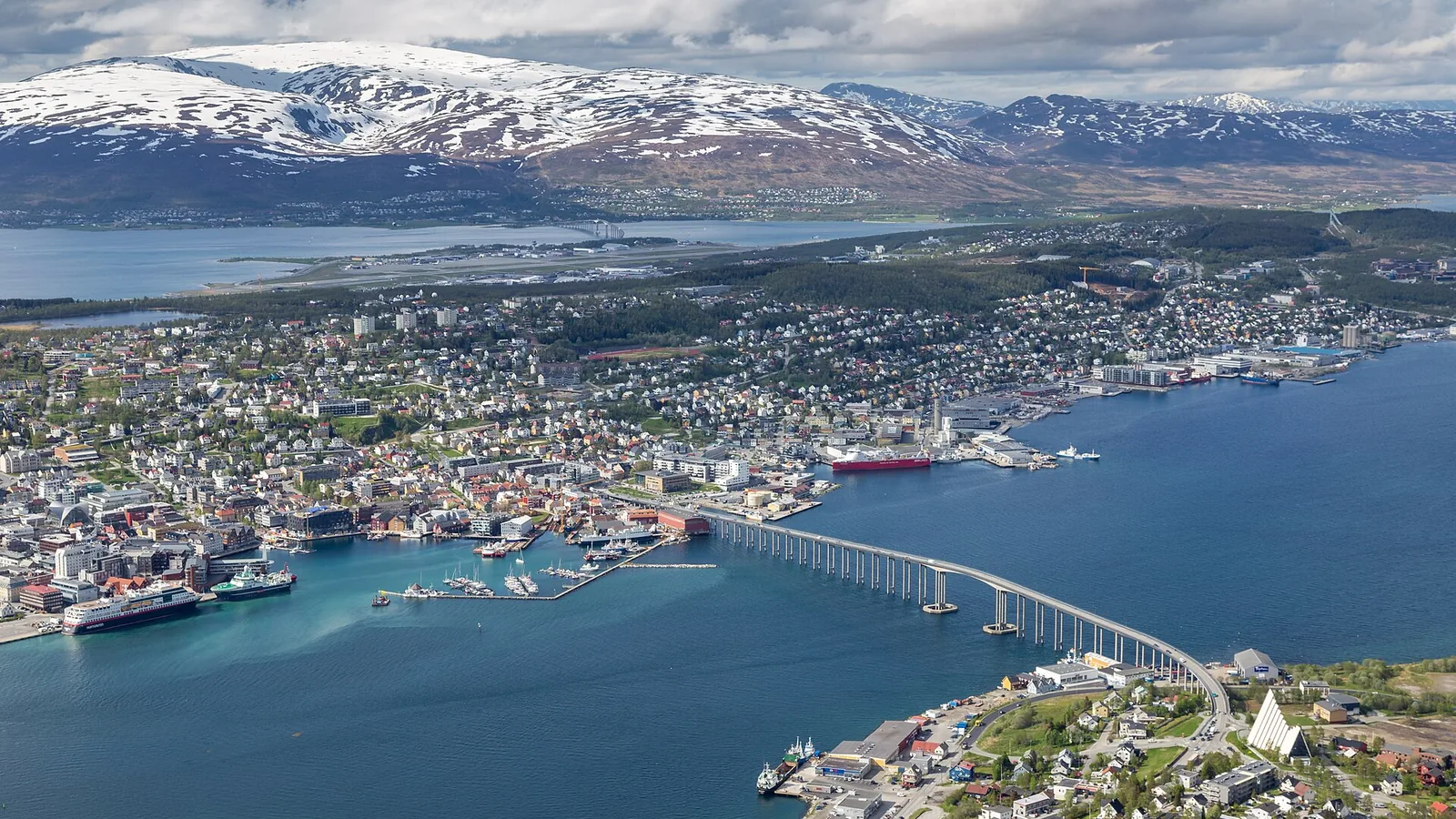 Norway(c) JoachimKohlerBremen / CC BY-SA 4.0
Tromsø
Tromsø has no car ferry worth planning a trip around. What it has is a fleet of fast passenger boats leaving from one quay in the middle of town, most of them carrying commuters to villages up the fjords — and one of them carrying you to Senja. Reading Tromsø as an express-boat hub rather than a ferry port is the difference between using it well and standing at the wrong terminal.
Read guide
Tunis
1 guideTuscany
1 guideWashington / Puget Sound
1 guide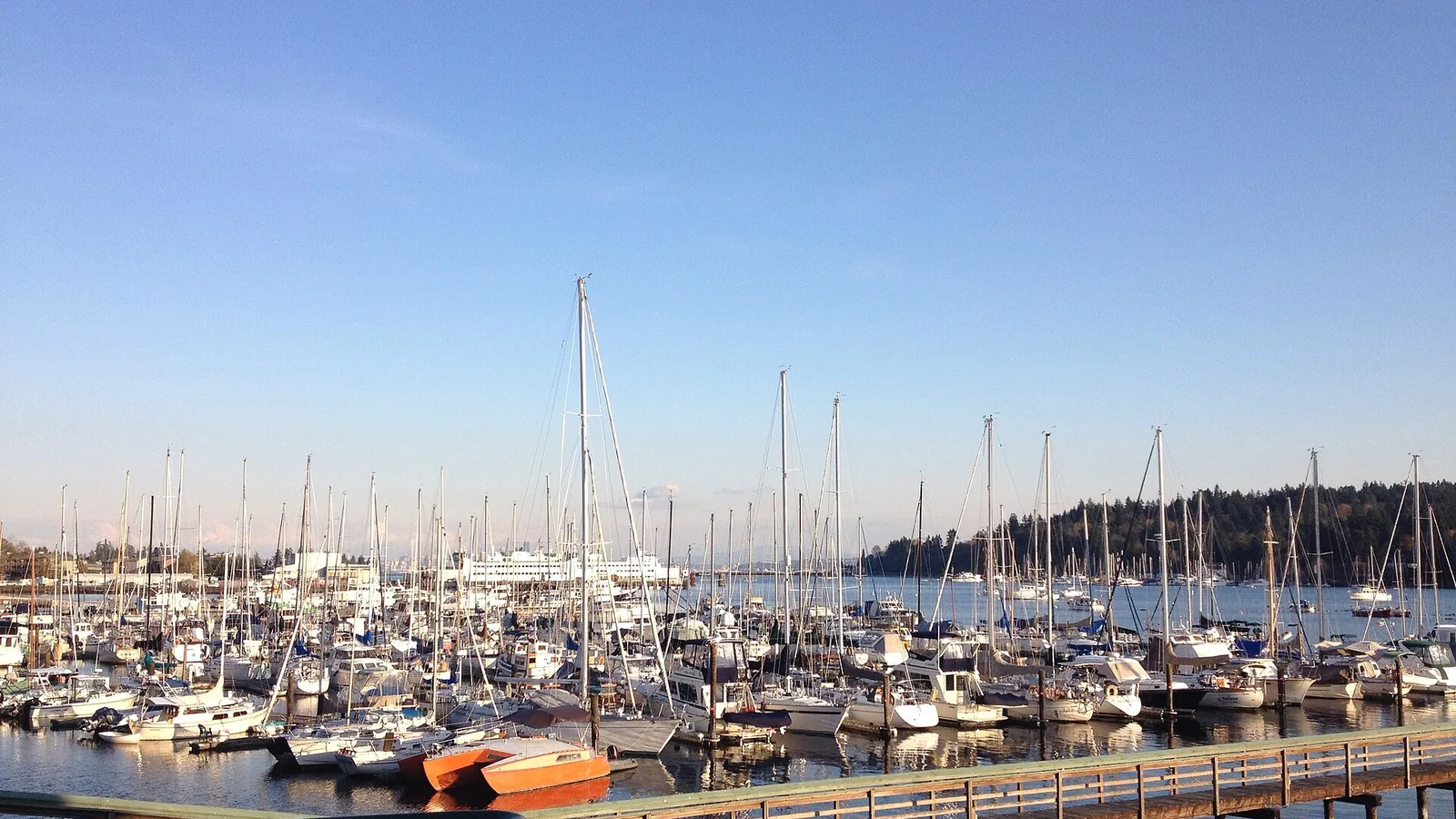
Why travel by ferry?
Some of the world's most beautiful places can only be reached by sea — and arriving by ferry is half the experience. Watching Santorini's caldera rise from the Aegean, threading the Dalmatian islands, or sailing into a Norwegian fjord turns the journey itself into a highlight rather than a transfer to endure.
These guides cover the destinations worth crossing the water for — what to see, where to stay, what to eat and, crucially, exactly how to get there by ferry, with links to the real crossings and their timetables. Whether you're planning a single island escape or a two-week hop through an archipelago, start here and build outward.
Ready to string several together? Plan a multi-stop trip or browse ferries by country.
Ferry destination FAQ
What are the best ferry destinations for island-hopping?
The Greek Cyclades (Santorini, Naxos, Paros, Mykonos) and Dodecanese (Kos, Rhodes) are the classic island-hopping grounds, with frequent crossings between neighbouring islands. The Dalmatian coast of Croatia, the Italian islands and the Norwegian coast also reward travelling by sea. Each destination guide explains which crossings connect it.
How do I get to these destinations by ferry?
Every destination guide has a “Getting there by ferry” section listing the real crossings that serve it, each linking to a full timetable with operators and crossing times. Most Greek islands are reached from the port of Piraeus in Athens; islands closer together are linked by short inter-island hops.
When is the best time to visit by ferry?
Ferry networks are busiest and most frequent from late spring to early autumn, when seasonal high-speed services run and connections multiply. Shoulder season (May, September, October) offers quieter crossings and easier bookings, while winter timetables are reduced — always check the route page for the season you're travelling.
Can I plan a multi-island trip across several destinations?
Yes. Use the trip planner to chain several ports into one itinerary and see which legs sail direct, then open each destination guide for what to do once ashore. It's the easiest way to build an island-hopping route that actually connects.