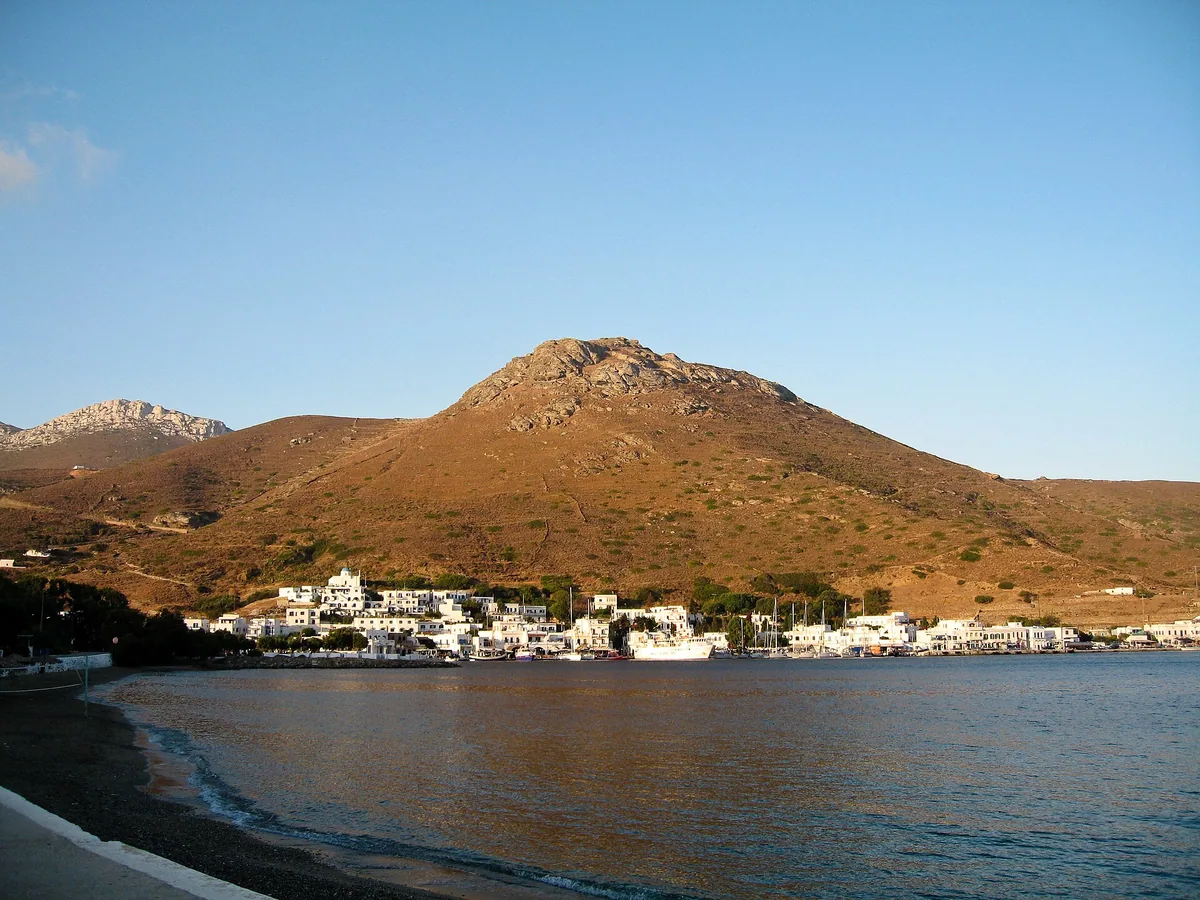
Cyclades · Greece
Amorgos
Amorgos is the last island of the Cyclades before open sea, long and thin and mountainous, and it has two ferry ports at opposite ends of it. The road between them climbs and descends the spine of the island. Booking the wrong one is the standard Amorgos mistake, and it costs a taxi fare and most of an afternoon.
Getting to Amorgos by ferry
Direct crossings serving Amorgos — open one for its full timetable.
Katapola or Aegiali
Katapola, roughly in the middle of the west coast, is the main port and the one most sailings use. Aegiali is at the northern end and has its own bay, beach and cluster of villages.
Both are served from Piraeus, usually on the same ship on the same day, which is why the mistake is so easy to make. Check which one appears on your ticket and book accommodation to match — the transfer between them is a mountain road, not a stroll.
How you get here
Amorgos sits on the Blue Star line that runs Piraeus – Syros – Paros – Naxos – Santorini – Amorgos – Iraklia – Schinoussa – Koufonisi – Donousa – Astypalaia, with around six weekly departures from Piraeus to the island's two ports.
Crossing times vary enormously with routing: the quickest sailings are under five hours, the ones that call everywhere take closer to eight. Our own timetable is thin here — a single sailing to Donousa — so check the operator directly for current Piraeus dates rather than relying on any aggregator's summary.
The Small Cyclades are the reason to come
The same line threads Iraklia, Schinoussa, Koufonisi and Donousa — four islands with a few hundred residents between them, no airports and very little development.
Amorgos is the practical base for reaching them, and the combination is one of the last genuinely quiet island routes in the Cyclades. It is also fragile: miss a boat and the next one may be two days away.
Hozoviotissa
The monastery is built into a vertical cliff face three hundred metres above the sea, eight storeys tall and three metres deep, founded in the eleventh century. It is reached by a stepped path from the road and there is a dress code.
It is the image the island is known for and it deserves the reputation. Go early; the afternoon sun hits the cliff and the climb is unpleasant in August heat.
The Big Blue
Amorgos was where Luc Besson filmed Le Grand Bleu in 1988, and the wreck of the Olympia below Liveros bay is still there and still visible. A generation of French visitors came because of that film and some of them never left.
It is a small piece of trivia that explains a real thing about the island: the visitor mix here is unusual, older and more European than the Cycladic average, and the island has stayed low-rise partly as a result.
⚠ Plan for the boat, not the island
Amorgos is far enough out that the ferry is the binding constraint on everything. Sailings are less frequent than in the central Cyclades, weather cancels them, and the island's own bus network runs to the ferry rather than to your plans.
Give yourself a spare day before any flight, and do not attempt Amorgos as a two-night stop at the end of a trip.
Season
The Blue Star line runs through the year but thins to a lifeline schedule in winter. The high-speed services and the fuller Small Cyclades connections belong to roughly May through September.
June and September are the best of it, with the network running and the island's limited accommodation not yet fully booked.
Amorgos ferry & travel FAQ
Which port should I use on Amorgos?
Katapola in the middle of the west coast is the main one; Aegiali is at the northern end. Both are served from Piraeus, often by the same ship on the same day, so check your ticket and book accommodation to match.
How long is the ferry from Athens to Amorgos?
It depends entirely on the routing — the quickest sailings are under five hours, the ones calling at every island take closer to eight. There are around six weekly departures from Piraeus.
Which company sails to Amorgos?
Blue Star Ferries, on the line running Piraeus, Syros, Paros, Naxos, Santorini, Amorgos, Iraklia, Schinoussa, Koufonisi, Donousa and Astypalaia.
Can I reach the Small Cyclades from Amorgos?
Yes — Iraklia, Schinoussa, Koufonisi and Donousa are all on the same line. It is one of the quietest island routes left in the Cyclades, but miss a boat and the next may be two days away.
What is the Hozoviotissa monastery?
An eleventh-century monastery built into a vertical cliff 300 metres above the sea, eight storeys tall and three metres deep, reached by a stepped path. There is a dress code — go early, before the afternoon sun hits the cliff.
Is Amorgos the island from The Big Blue?
Yes. Luc Besson filmed there in 1988 and the wreck of the Olympia below Liveros bay is still visible. It explains the island's unusually European visitor mix and its low-rise development.
How far ahead should I plan an Amorgos trip?
Leave a spare day before any flight. Sailings are less frequent than in the central Cyclades and weather cancels them — do not attempt Amorgos as a two-night stop at the end of a trip.
When is the best time to visit Amorgos?
June and September, when the network is running and the island's limited accommodation is not yet fully booked. Winter drops the line to a lifeline schedule.
More Cyclades destinations
Reviewed by Serhat Özçelik, Founder & Editor of Ferry Schedule Hub · Last updated August 8, 2026.