 Ferry network
Lagos ferry routes & LAGFERRY schedules
Nigeria has 87 ferry routes operated by 1 company across 101 ferry ports. The average crossing takes about 11m, with the longest running roughly 2h. Major operators include Lagos State Waterways. Below you'll find crossing times, operators and timetables for each route.
- 87
- Ferry routes
- 1
- Operators
- 101
- Ports
- 11m
- Avg crossing
About
About ferries in Nigeria
Beating the go-slow: why Lagos learned to love the lagoon
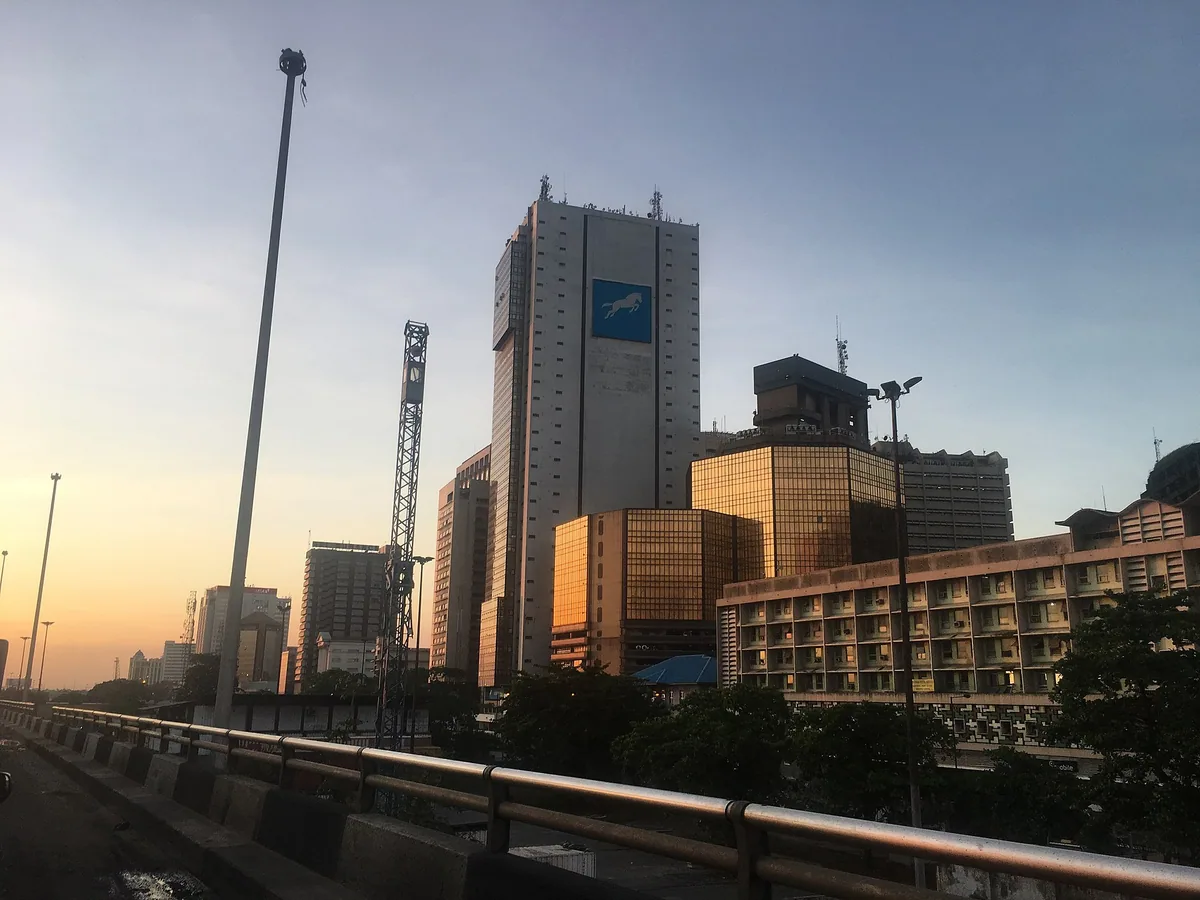
Ask anyone who lives in Lagos and they will tell you about the go-slow — the grinding, horn-blaring traffic that can swallow two or three hours of a working day between Ikorodu and the Island. In a megacity of some twenty million people, roads simply cannot stretch far enough. But Lagos was built around water: a sprawl of lagoons, creeks and harbour channels that road-bound commuters spent decades ignoring. Over the past several years that has flipped. The lagoon is no longer just scenery from the Third Mainland Bridge — it has become a working commuter highway, and for a growing number of Lagosians the boat is the smart daily escape from the tarmac. This is not really about holidays. It is about getting to work with your shirt still crisp.
The lagoon as a commuter highway
Passenger boats fan out across the Lagos waterways under two banners. LAGFERRY — the Lagos Ferry Services Company, a state-owned operator whose roots go back to the early 1980s — runs standardised, subsidised boats, while a fleet of licensed private operators fills in the gaps. Everything sits under the oversight of the Lagos State Waterways Authority (LASWA), the regulator set up in 2008 to license jetties, vet vessels and enforce the rules. The through-line of the whole system is time saved: crossings that turn a punishing road slog into a short glide over the water.
The busiest corridors stitch the mainland dormitory towns to the commercial cores. Ikorodu, marooned at the top of the lagoon, is the flagship case — the road-versus-water contrast is so stark that ferries are the reason many people can live there at all. From the Ipakodo jetty, boats run down to the Island and to Ikoyi; on the eastern flank, the Lekki-Ajah axis is served through Badore and links across to Ijede. You can trace the full picture of connections — mainland, Island and Lekki-Ajah alike — across every Nigerian ferry route.
| Corridor | Terminals it links | What it replaces |
|---|---|---|
| Ikorodu ↔ Island | Ipakodo (Ikorodu) — CMS/Marina, Ebute Ero | The notorious Ikorodu Road crawl |
| Ikorodu ↔ Ikoyi | Ipakodo — Five Cowries (Falomo, Ikoyi) | A long mainland-to-Island detour |
| Ikoyi ↔ Lekki-Ajah | Five Cowries — Badore (Ajah, Eti-Osa) | Lekki-Epe expressway gridlock |
| Cross-lagoon east | Badore — Ijede | A wide road loop around the water |
Terminals worth knowing by name include Ikorodu (Ipakodo), CMS/Marina on Lagos Island, Five Cowries at Falomo in Ikoyi, Badore and Ijede on the Lekki-Ajah and Ikorodu ends, plus jetties around Osborne and Victoria Island that feed the same web. Sailings are heaviest on weekday mornings and evenings — reports put the operating window roughly between 6:30 in the morning and 6 in the evening, Mondays to Fridays, with the rush clustered at the start and close of the working day. Treat any specific timetable as provisional and confirm on the day, because schedules flex with tide, weather and demand.
Tapping on board: how the fare works
Lagos has pushed hard to get cash — and the informal fare-collectors known as agbero — out of the boarding process. The same Cowry contactless smart card that Lagosians use on BRT buses and the rail lines was extended to LAGFERRY water transport (this reportedly launched back in 2021), and the state has since promoted further cashless ticketing on its ferry services. In practice that means you top up a card or app, tap to board, and skip the haggling. Coverage is not universal across every private jetty, so carry a fallback — but the direction of travel is firmly digital.
No life jacket, no ride
If there is one rule that shapes what riding a Lagos ferry feels like, it is this: life jackets are mandatory, for the entire trip, for everyone on board. LASWA operates a stated zero-tolerance policy — no boarding a motorised vessel without one — and the burden sits on operators to supply functional, approved jackets and keep their boats seaworthy. This is not a paper rule. In 2026 LASWA intensified terminal inspections and, in one widely reported sweep, removed scores of damaged life jackets from circulation. For a passenger the takeaway is simple: wear the jacket, and choose licensed jetties and operators over informal ones. If a boat is overloaded or a jacket is missing, that is your cue to wait for the next one.
Beyond the commute: the beach at the harbour's edge
The lagoon is not all briefcases and boarding taps. The best-known leisure trip is the short hop to Tarkwa Bay, a sheltered beach on an island off the Lagos harbour that is reachable only by water — a quick crossing by boat or water taxi from harbour-side jetties. It is a reminder that the same waterways carrying commuters at dawn double as the city's weekend release valve. Still, keep expectations grounded: Lagos ferries are overwhelmingly a transport story, with leisure boating a modest, mostly self-arranged sideline rather than a polished tourist product.
| Good to know | Detail |
|---|---|
| Main operator | LAGFERRY (state-owned), plus licensed private boats |
| Regulator | LASWA — jetty licensing, vessel checks, safety enforcement |
| Paying | Cowry contactless card / cashless ticketing on many services |
| Non-negotiable | Life jacket worn for the whole journey |
| Busiest times | Weekday morning and evening peaks |
Operators
Which companies run ferries in Nigeria?
Ports
Ferry ports in Nigeria
101 ports with published ferry connections. Open a port for every route that departs or arrives there.
- Liverpool10
- Marina/CMS9
- Addax/Sandfill/Maroko (Victoria Island)8
- Badore Ferry Terminal7
- Ojo market waterside6
- Igbo Elejo5
- Ikare town landing5
- Ikorodu/Ipakodo Ferry Terminal5
- Alluvia Marine/Afisco (Lekki Phase 1)4
- Ibasa4
- Ijegun Egba4
- Itun Agan4
- Jegba Marina Badagry/Commando Jetty4
- Kirikiri4
- Power line4
- Agaja3
- Allens Unit/Alex Apapa3
- Ebute Ero/Elegbata Jetty3
- Ebute Ojo/Sifax Ferry Terminal3
- Epe Ayetoro Jetty3
- Ibese3
- Ijede/Tarzan3
- Ikare palace3
- Iyagbe3
- Mile 2/NIWA3
- Baba Shino2
- Elegushi2
- Five Cowries/Falomo (Ikoyi)2
- Gberigbe2
- Igando Landing/Isuti2
- Irewe Ojo2
- Isoda2
- Mikano2
- Offin, Ikorodu2
- Ogogoro Village2
- Oto Owu Odo (Ogun)2
- Pashi2
- Port Novo (Benin Republic)2
- Salt Beach2
- Tarkwa Bay2
- Uncle Ben2
- Abomiti-Nla Epe1
- Abule Osun1
- Badore Jetty (Tarzan)1
- Boundary/Number 3 Waterside1
- Capital Oil/FESTAC1
- Coconut Landing1
- Egan Landing1
- Etegbin1
- Eyin Osa1
- First Gate (Tin Can Island)1
- Flour Mills1
- IKO/Temidire1
- Ibeshe/Thesaurus Ferry Terminal1
- Igbologun/Snake Island1
- Ilashe1
- Imore Community1
- Imore Waterside1
- Isashi Landing1
- Itekun (Ogun)1
Show all 101 portsShow fewer
- Itomu Jetty1
- Iwopin (Ogun)1
- KabaKaba1
- Koko beach1
- Manager1
- Mogaji (Ajegunle)1
- Number 1A Waterside1
- Number 3 (Ajegunle) Waterside1
- Sagbokoji1
- Second Rainbow Landing1
- Agboyi 1
- Agboyi 2
- Agboyi 3
- Agboyi Ketu
- Agojedo/Agbejedo
- Baiyeku
- Egbin
- Farasime
- Fiki Marine (Victoria Island)
- Gbaji Yekeme Jetty
- Ibeshe Palace
- Ijon
- Ijon Odo (Ogun)
- Ilutuntun
- Ipare (Ondo)
- Irede
- Isofin
- Itomoro
- Iya Afin Jetty
- Izigi (Ogun)
- Jemuje
- Kabiyesi itomu jetty
- Number 1 (Apapa) Waterside
- Number 2 (Ajegunle) Waterside/Kumuyi Street(Ajegunle)
- Number 2 (Apapa) Waterside
- Oke Ira Nla (Ajah)
- Oko Agbon
- Olu landing
- Police
- Sagbokoji back
- Second Badagry
At a glance
Which Nigeria ferry crossings run most often?
The busiest published crossings, ranked by number of listed sailings.
| Route | Crossing | Sailings | Operators |
|---|---|---|---|
| Itun Agan → Liverpool | 5m | 16 / wk | 1 |
| Iyagbe → Ojo market waterside | 15m | 16 / wk | 1 |
| Igbo Elejo → Itun Agan | 5m | 11 / wk | 1 |
| Itun Agan → Igbo Elejo | 5m | 10 / wk | 1 |
| Liverpool → Itun Agan | 9m | 10 / wk | 1 |
| Ojo market waterside → Iyagbe | 15m | 10 / wk | 1 |
| Second Rainbow Landing → Ijegun Egba | 1m | 8 / wk | 1 |
| Igando Landing/Isuti → Oto Owu Odo (Ogun) | 7m | 8 / wk | 1 |
| Oto Owu Odo (Ogun) → Igando Landing/Isuti | 7m | 8 / wk | 1 |
| Ikare palace → Ikare town landing | 2m | 7 / wk | 1 |
| Iyagbe → Ikare palace | 5m | 7 / wk | 1 |
| Ikare town landing → Ikare palace | 2m | 6 / wk | 1 |
Timetables
What ferry routes run in Nigeria?
87 routes across the network.
87 routes
FAQ
Frequently asked questions
What is LAGFERRY and who runs it?
LAGFERRY is the Lagos Ferry Services Company, a Lagos State-owned operator whose roots trace back to the early 1980s. It runs standardised, subsidised passenger boats across the lagoon. Alongside it, a number of licensed private operators run their own boats, and all of them fall under the oversight of the Lagos State Waterways Authority (LASWA).
How does the ferry save time compared with driving in Lagos?
The whole appeal is beating the go-slow. On the flagship Ikorodu corridor, a road trip to the Island can take a couple of hours in heavy traffic, while the water crossing is far quicker. Exact times vary with tide, weather and demand, so treat any single figure as an estimate rather than a promise.
Which terminals and corridors are the busiest?
The heaviest commuter corridors link mainland dormitory areas to the commercial cores: Ikorodu (Ipakodo) down to CMS/Marina and to Five Cowries in Ikoyi, and the Lekki-Ajah axis through Badore, including a cross-lagoon link to Ijede. Jetties around Osborne and Victoria Island feed the same network.
How do I pay for a Lagos ferry ride?
Lagos has pushed cashless ticketing hard. The Cowry contactless smart card used on BRT buses and the rail lines was extended to LAGFERRY water transport, so on many services you top up and tap to board. Coverage is not universal at every private jetty, so it is wise to carry a cash fallback.
Are life jackets really compulsory?
Yes. LASWA enforces a zero-tolerance rule: no one may board a motorised vessel without a life jacket, and it must be worn for the entire trip. Operators are legally required to supply functional, approved jackets. If a boat cannot give you one, do not board.
Is riding a Lagos ferry safe?
Regulated services under LASWA and LAGFERRY are designed to be safe, with mandatory life jackets, vessel inspections and licensed jetties. Risk rises with informal, unlicensed or overloaded boats. Stick to recognised terminals, insist on a life jacket, and avoid crowded or poorly maintained vessels.
What are the ferry operating hours?
Services run mostly on weekdays, roughly between early morning and early evening — reports point to a window of about 6:30am to 6:00pm — with the heaviest sailings during the morning and evening rush. Hours can shift with conditions, so confirm the last boat before you travel, especially in the evening.
Do ferries run on weekends?
Commuter services are concentrated on weekdays, when demand is highest. Weekend sailings can be lighter or limited depending on the operator and route, though leisure boat trips are more of a weekend affair. Check directly with the operator, as weekend schedules are the most variable.
Can I take a ferry to Tarkwa Bay beach?
Tarkwa Bay is an island beach off the Lagos harbour that can only be reached by water — a short crossing by boat or water taxi from harbour-side jetties. It is the best-known leisure trip on the lagoon, but access is mostly via self-arranged or chartered boats rather than a fixed public timetable.
What is the difference between LAGFERRY and private operators?
LAGFERRY is the government operator, offering subsidised fares and standardised boats. Private operators are independent, licensed companies that run additional routes and charters, sometimes with different pricing and comfort. Both must comply with LASWA safety rules, including the life jacket requirement.
What is LASWA's role?
The Lagos State Waterways Authority, established in 2008, is the regulator. It licenses jetties and operators, inspects vessels for seaworthiness, and enforces safety standards. In 2026 it stepped up terminal inspections and removed damaged life jackets from circulation as part of its safety drive.
How much does a ferry ticket cost?
Fares depend on the route and operator, and LAGFERRY's government-backed services are subsidised to stay affordable. Because prices change and vary between public and private boats, we do not quote a fixed figure here — check the current fare with the operator or on the Cowry system before you travel.
Do I need to book a ferry in advance?
Everyday commuter boats generally work on a turn-up-and-tap basis rather than advance reservations, especially with contactless ticketing. Chartered or leisure trips — such as a group run to Tarkwa Bay — are the ones you would typically arrange ahead with a private operator.
Is the ferry a realistic daily commute or just for tourists?
It is overwhelmingly a commuter system. For residents of places like Ikorodu and the Lekki-Ajah axis, the ferry is a genuine daily alternative to gridlocked roads. Leisure and tourism exist on the water, but they are a modest sideline next to the everyday job of moving people to work.
Explore
Ferries in other countries









Reviewed by Serhat Özçelik, Founder & Editor of Ferry Schedule Hub · Last updated October 18, 2026.