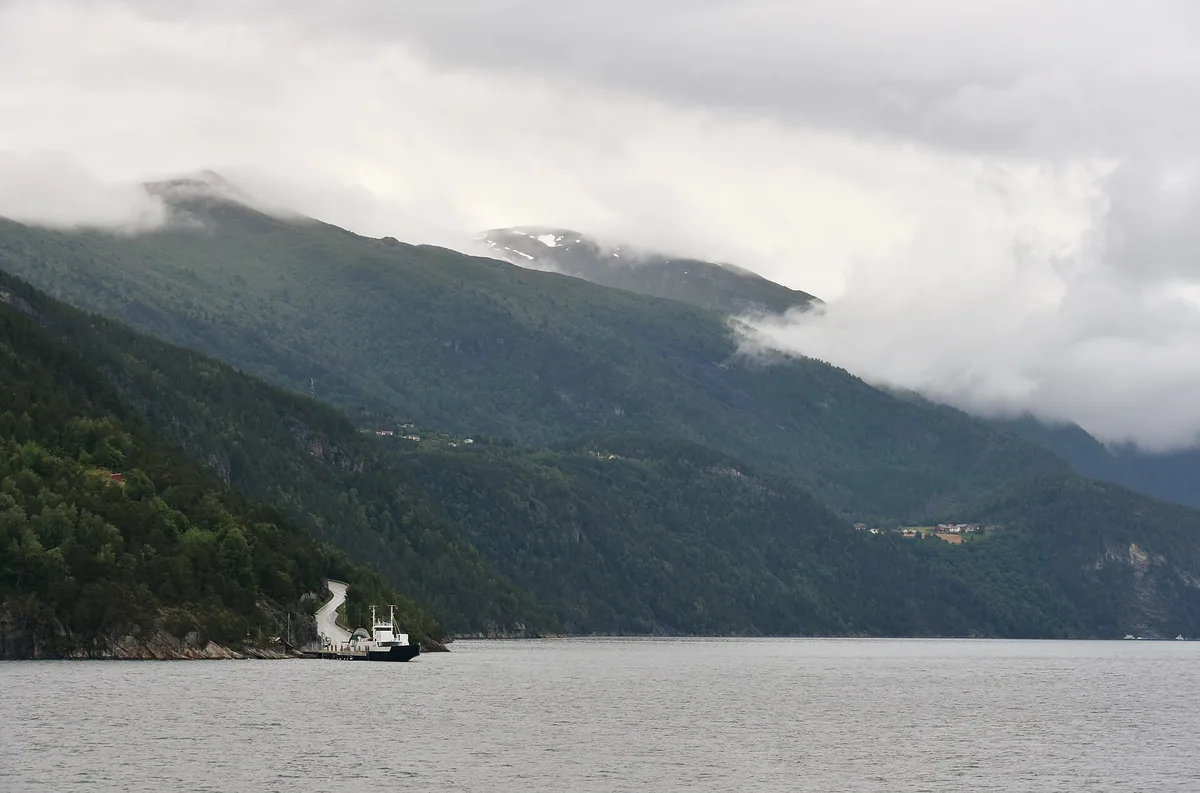
 (c) Richard Mortel from Riyadh / CC BY 2.0
Norway by Ferry: Coastal and Fjord Crossings
Explore Norway's stunning fjords and coastlines by ferry. This guide covers essential routes, operators, and tips for an unforgettable journey through Norway's unique maritime landscape.
By Serhat Özçelik, Founder & Editor of Ferry Schedule Hub· Published June 13, 2026· updated June 18, 2026
Discovering Norway's Ferry Network
Norway's landscape is defined by its dramatic coastline, deep fjords, and countless islands. Ferries are not merely a mode of transport but an integral part of experiencing the country's dramatic natural beauty. From short fjord crossings that connect communities to multi-day coastal voyages, Norway's ferry network offers unparalleled access to some of the world's most spectacular scenery. For travelers, understanding this network is key to planning an efficient and memorable journey. See our guide on planning a multi-stop ferry trip to chain several crossings.
The ferry system serves both local commuters and international tourists, making it a important artery for travel within Norway. Whether you're planning to drive the scenic routes, cycle through appealing villages, or simply enjoy a leisurely cruise, ferries provide unique perspectives and key connections. Many of these routes are considered attractions in themselves, offering panoramic views of towering cliffs, cascading waterfalls, and pretty fishing villages.
Key Ferry Operators and Their Services
Several major operators manage Norway's extensive ferry network. Understanding who operates where can help in planning. Fjord1 is one of the largest, operating numerous car and passenger ferries across many of the most famous fjords, including those in the Sogn og Fjordane and Møre og Romsdal regions. Their routes are key for connecting the main road networks that often terminate at a fjord's edge.
Hurtigruten, often referred to as 'The Norwegian Coastal Express,' has a unique blend of cruise and transport services. While more expensive than local car ferries, Hurtigruten ships travel the entire Norwegian coast from Bergen to Kirkenes, stopping at 34 ports along the way. Passengers can book segments of this journey, making it a fantastic option for experiencing a significant portion of the coastline without needing a car. They carry both passengers and freight, serving a important role for remote communities.
Other significant operators include Torghatten Nord, which manages routes primarily in Northern Norway, including the Lofoten Islands, and also some key fjord crossings further south. Norled operates many express boat services and car ferries, particularly in the Rogaland and Hordaland counties, linking cities like Stavanger and Bergen with their surrounding islands and fjords. For specific routes and up-to-date schedules, it is always recommended to check the respective operator's website or use a comprehensive ferry schedule platform.
Key Fjord Crossings for Scenic Travel
Norway is synonymous with fjords, and many of the most striking are traversed by ferry. These crossings often save hours of driving and offer incredible photo opportunities. Here are some of the most popular and scenic:
- Geirangerfjord: A UNESCO World Heritage site, the ferry from Hellesylt to Geiranger (operated by Fjord1) is a highlight. This journey takes you past well-known waterfalls like 'The Seven Sisters' and 'The Suitor,' offering dramatic views of the steep cliffs and lush valleys. This route is seasonal, typically running from spring to autumn.
- Sognefjord: As Norway's longest and deepest fjord, Sognefjord offers several ferry options. The Fjord1 crossing between Fodnes and Mannheller is a important link on the E16 highway. For a more scenic experience, consider the express boat services that connect Bergen with appealing fjord villages like Balestrand and Flåm.
- Lysefjord: Near Stavanger, the Lysefjord ferry (operated by The Fjords) is key for those visiting Pulpit Rock (Preikestolen) or Kjeragbolten. It runs between Lauvvik and the fjord, offering views of these famous natural landmarks from the water.
- Hardangerfjord: The 'Fruit Orchard of Norway' is home to several crossings. The Jondal-Tørvikbygd ferry (operated by Norled) and Utne-Kinsarvik-Kvanndal ferry are popular, especially during blossom season.
These crossings are not just about getting from A to B; they are an integral part of the Norwegian travel experience, providing unique perspectives of the dramatic landscape. For a closer look at each one, see our dedicated guide to Norway's fjord ferry crossings.
Navigating the Lofoten Islands by Ferry
The Lofoten Islands, a striking archipelago in Northern Norway, are a magnet for travelers. While connected to the mainland by bridges, ferries remain key for inter-island travel and for reaching the islands from specific mainland points, especially for those wanting to avoid long drives or experience a different approach.
- Bodø - Moskenes: This is arguably the most popular ferry route to Lofoten, operated by Torghatten Nord. It’s a important link for car travelers coming from the south, taking approximately 3-4 hours. Booking in advance, especially during peak season (June-August), is highly recommended due to high demand.
- Svolvær - Skutvik: Another mainland connection, this ferry also operated by Torghatten Nord, offers an alternative entry point to Lofoten, usually taking around 2 hours.
- Andenes - Gryllefjord (Senja): For those combining Lofoten with a trip to the island of Senja, this seasonal ferry (operated by Senjaferga) is a fantastic scenic shortcut, connecting two of Northern Norway's most beautiful regions.
While on Lofoten, smaller ferries also connect some of the outer islands, providing access to more remote and clean areas. Always check current timetables and book ahead where possible. For routes, times and tips, read our full Lofoten Islands by ferry guide.
Coastal Express: The Hurtigruten Experience
Hurtigruten offers more than just a ferry ride; it's an well-known journey along Norway's striking coastline. Operating year-round, it serves as both a important transport link for local communities and a popular tourist cruise.
The full round trip from Bergen to Kirkenes and back takes 11 days, but passengers can book shorter segments. Popular options include:
- Bergen to Geiranger (summer only): A fantastic way to see the UNESCO-listed fjord without driving.
- Tromsø to Svolvær: Connecting two major hubs in Northern Norway, offering views of the rugged coastline and potentially the Northern Lights in winter.
- Any segment through the Lofoten Islands: Enjoying the archipelago from the sea has a unique perspective.
Hurtigruten ships are comfortable, offering dining options and onboard activities. While significantly more expensive than standard car ferries, the experience, scenery, and convenience of connecting multiple coastal towns without driving make it a worthwhile splurge for many travelers. For how the voyage works and how Hurtigruten compares to Havila, see our Norway coastal voyage guide.
Practical Tips for Ferry Travel in Norway
To ensure a smooth and enjoyable ferry trip in Norway, keep these practical tips in mind:
- Check Schedules and Book in Advance: Especially for popular routes, peak season, or if traveling with a vehicle, booking online well ahead of time is key. Many smaller, local ferries operate on a first-come, first-served basis, but for longer or more popular routes, advance booking guarantees your spot. You can check live Norway ferry timetables and routes on this site.
- Arrive Early: Even with a booking, arriving at the ferry terminal at least 30-60 minutes before departure is advisable, particularly if you have a car. This allows time for boarding procedures and reduces stress.
- Understand Pricing: Ferry prices vary significantly based on route length, vehicle size, and number of passengers. Many local car ferries charge per vehicle and then per passenger. Some express passenger boats have fixed per-person fares.
- Payment Methods: While many major routes accept card payments, it's always wise to have some Norwegian kroner (NOK) on hand for smaller, more remote routes or onboard purchases.
- Onboard Facilities: Most car ferries have basic amenities like restrooms and a small cafe selling snacks and drinks. Longer express boat services or Hurtigruten ships offer more extensive facilities, including restaurants and comfortable seating areas.
- Weather Considerations: Norwegian weather can be unpredictable. Ferries are generally reliable, but high winds or rough seas can occasionally lead to delays or cancellations, particularly in exposed coastal areas. Check weather forecasts and ferry operator announcements before you travel.
- Ferry Cards/AutoPASS: For frequent travelers, or those planning an extensive road trip involving many ferry crossings, consider getting an AutoPASS tag. This electronic toll payment system also works on many ferries, offering convenience and sometimes discounts.
- Foot Passengers vs. Vehicles: If you're traveling without a car, you often have more flexibility and may not need to book as far in advance for local routes. However, express boats still benefit from advance booking.
Embracing Norway's ferry network is an key part of experiencing its unique geography. By planning ahead and being aware of the practicalities, you can unlock an incredible journey through its fjords and along its striking coastline.
Frequently asked questions
Do I need to book Norway ferries in advance?
For popular routes, especially those carrying vehicles and during peak season (June-August), booking in advance is highly recommended to guarantee your spot. Many local car ferries operate on a first-come, first-served basis, but major routes like Bodø-Moskenes for Lofoten or the Geirangerfjord ferry benefit from pre-booking. For Hurtigruten, booking well in advance is essential.
How much do ferries cost in Norway?
Ferry prices vary widely depending on the route length, whether you're traveling with a vehicle (and its size), and the number of passengers. Short local fjord crossings might cost a few hundred NOK for a car and passengers, while longer express boats or Hurtigruten segments can be significantly more expensive. Check specific route prices on the operator's website or a ferry schedule platform.
Can I take my car on all Norwegian ferries?
Most major fjord crossings and island connections are designed to carry vehicles, including cars, motorhomes, and motorcycles. However, some express passenger boats operate solely for foot passengers. Always check the specific ferry route details to confirm if vehicles are permitted and if there are any size restrictions.
What is the difference between a car ferry and Hurtigruten?
Car ferries are primarily transport links, often short crossings, focused on moving vehicles and passengers across fjords or to nearby islands. Hurtigruten, 'The Norwegian Coastal Express,' is a scheduled service that combines freight, local passenger transport, and a cruise-like experience along the entire Norwegian coast. It's a longer, multi-day journey with more extensive onboard facilities and a higher price point than a typical car ferry.
Are there ferries to the Lofoten Islands?
Yes, ferries are a popular way to reach the Lofoten Islands, especially if traveling with a car. The most common route is from Bodø to Moskenes. There are also connections from Skutvik to Svolvær. These routes are operated by Torghatten Nord, and advance booking is strongly advised during high season.
Do Norwegian ferries run in winter?
Many Norwegian ferries operate year-round, serving as vital links for local communities. However, some highly scenic routes, particularly those in more exposed areas or through specific fjords like the Geirangerfjord, may operate on a reduced schedule or close entirely during the winter months (roughly October to April) due to weather conditions. Always check the current winter timetables for specific routes.
Keep reading