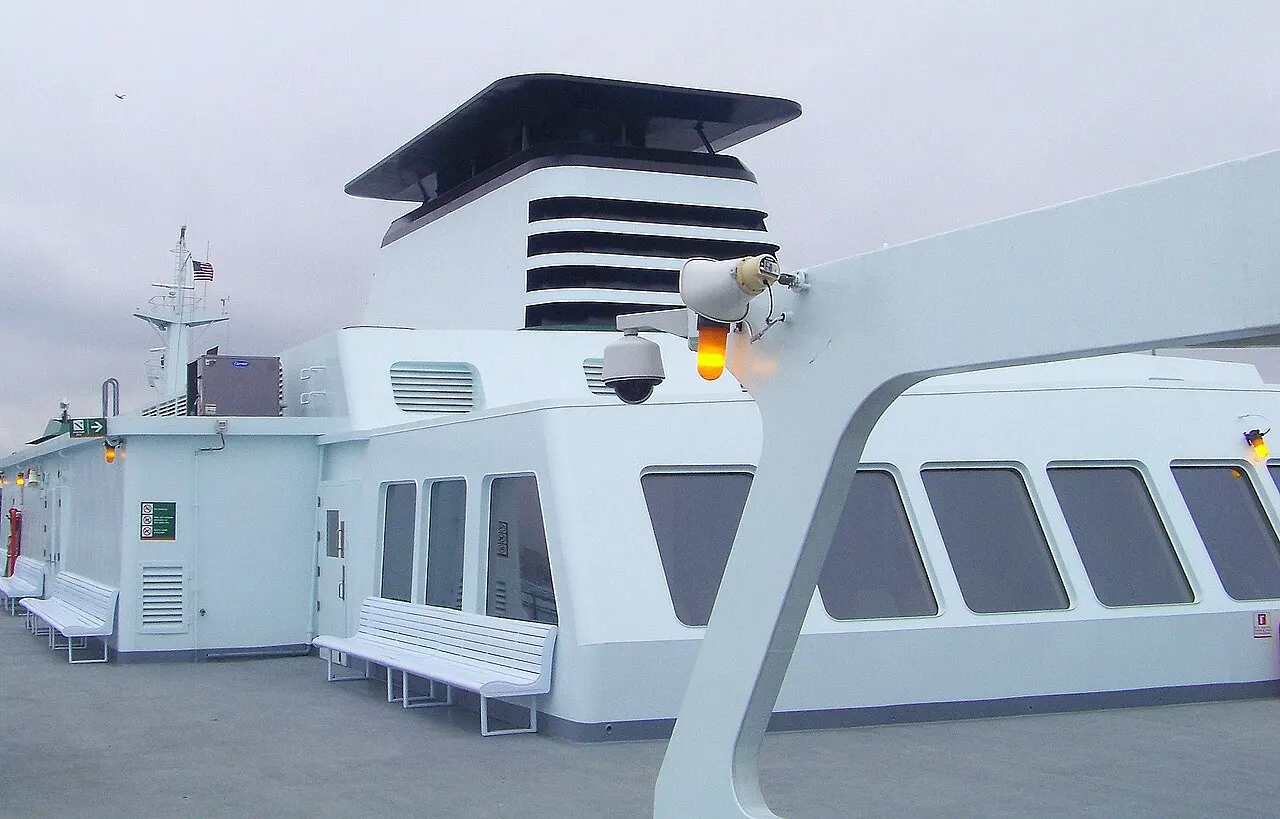
 (c) Photo: Scott Thompson, CC BY 3.0 (https://creativecommons.org/licenses/by/3.0)
How to Find the Cheapest Ferry Tickets
Discover expert tips and strategies to secure the cheapest ferry tickets for your next international adventure. Learn how to save on routes from Greece to Norway.
By Serhat Özçelik, Founder & Editor of Ferry Schedule Hub· Published June 13, 2026· updated June 18, 2026
Understanding Ferry Pricing Dynamics
Ferry ticket prices, much like airline fares, are influenced by a multitude of factors. Seasonality plays a significant role; peak travel times such as summer holidays (June to August in the Northern Hemisphere), national holidays, and major festivals invariably see higher demand and consequently inflated prices. Off-season travel, typically from October to April (excluding major holidays like Christmas or Easter), offers the best opportunities for savings. Day of the week also matters; weekend departures, especially Fridays and Sundays, are often more expensive than Tuesday, Wednesday, or Thursday sailings. Time of day can also impact cost, with early morning and late-night departures sometimes being cheaper due to lower demand.
Another key factor is the route's popularity and competition. High-demand routes, such as those connecting Athens (Piraeus) to popular Greek islands like Santorini or Mykonos, or major crossings in the Mediterranean, tend to have more operators, which can sometimes lead to competitive pricing. Conversely, remote or less-frequented routes might have fewer options and thus less price flexibility. Vehicle transportation adds significantly to the cost; a car or motorhome ticket can often be more expensive than multiple passenger tickets combined. The type of accommodation chosen, from deck passage to a luxury cabin, also directly affects the final price. Understanding these dynamics is the first step in strategically planning your ferry travel.
Book in Advance, Especially for Popular Routes
One of the most consistently effective strategies for securing cheaper ferry tickets is to book as far in advance as possible. Many ferry operators release their schedules and ticket inventory months ahead of time, often with an 'early bird' discount or a tiered pricing structure where the cheapest tickets are available first. This is particularly key for popular routes and during peak season. For example, if you plan to travel from Split to Hvar in Croatia during July, or take a ferry from Naples to Capri in August, waiting until the last minute will almost certainly result in higher prices or even sold-out departures.
Advanced booking is also important if you are traveling with a vehicle. Car deck space is limited, and these spots sell out quickly, especially on popular routes like those connecting mainland Italy to Sardinia or Sicily, or the inter-island ferries in the Norwegian fjords. By booking well in advance, you not only increase your chances of securing a cheaper fare but also guarantee your spot, providing peace of mind. While flexibility is often touted as a money-saving tip, for ferries, especially those with high demand, early commitment is usually the better financial strategy.
Be Flexible with Dates and Times
While booking in advance is key, combining it with flexibility can unlock even greater savings. If your travel dates are not set in stone, experiment with different departure days and times. As mentioned, mid-week travel (Tuesday to Thursday) often yields cheaper fares than weekend departures. Similarly, consider early morning or late-night sailings, which can sometimes be less popular and therefore less expensive. For example, a ferry from Dover to Calais might be cheaper on a Tuesday morning compared to a Saturday afternoon.
Even shifting your travel by a day or two can make a significant difference. When searching for tickets, utilize the flexible date options often available on ferry booking platforms. This allows you to view prices for a range of dates around your preferred travel period, easily identifying the cheapest days to sail. If you are not constrained by fixed vacation dates, aiming for the shoulder seasons (May-June and September-October in many European destinations) or even the off-season will provide the most significant savings, as both demand and prices are considerably lower.
Consider Alternative Routes and Operators
Sometimes, the most direct or obvious route isn't the cheapest. Researching alternative ports or connecting routes can lead to substantial savings. For instance, instead of directly sailing to a very popular island, consider taking a ferry to a nearby, less-known island and then a short, local connection. In Greece, flying into a less central airport like Kalamata or Thessaloniki and taking a ferry from a local port might be cheaper than flying into Athens and departing from Piraeus, depending on your final destination.
Similarly, investigate if multiple ferry operators serve your desired route. Competition among companies like Blue Star Ferries vs. Minoan Lines in Greece, or different operators on the Strait of Gibraltar, can drive prices down. Always compare prices across all available operators for your chosen route and dates. Some smaller, local operators might offer slightly slower but significantly cheaper services compared to the major fast-ferry companies. Use a comprehensive ferry booking platform to easily compare all options available for your journey, including different departure ports and operators.
Travel Light and Smart: Vehicle vs. Foot Passenger
The cost of transporting a vehicle on a ferry can easily double or triple the total fare. If you are traveling as a foot passenger, you immediately save a considerable amount. Evaluate whether you truly need your car at your destination. For many island destinations, especially smaller ones like Hydra in Greece where cars are prohibited, or popular tourist spots with excellent public transport, bringing a vehicle is unnecessary and expensive.
If a car is key, consider its size. Larger vehicles, caravans, and motorhomes incur higher fees. Even the height of your vehicle can affect the price, so be accurate when providing dimensions during booking. Also, be mindful of luggage. While most ferries are less strict than airlines about luggage weight and size for foot passengers, excessively bulky items might sometimes incur extra charges on specific routes or with certain operators. Always check the luggage policy before boarding.
Opt for Deck Passage or Economy Seating
For shorter journeys or overnight trips where you prefer to save money, choosing deck passage or an economy seat (airplane-style reclining seats) is significantly cheaper than booking a cabin. Deck passage means you have access to communal areas of the ship and can find a spot on a deck chair, a bench, or even the floor (especially common on longer, overnight journeys in Greece or Italy). This option is ideal for budget travelers and those who don't mind a more communal experience.
Economy seats, while still basic, offer a designated spot and are often more comfortable than deck passage, making them a good compromise for longer day trips. Cabins, while offering privacy and amenities, come at a premium. For example, a 6-hour journey from Athens to Paros will be considerably cheaper with a deck ticket compared to a private cabin. Assess the length of your journey and your comfort priorities to decide if a cabin is a necessary expense or an avoidable luxury.
Look for Discounts, Promotions, and Loyalty Programs
Many ferry operators offer various discounts and promotions. These can include:
- Early Bird Discounts: As mentioned, booking well in advance often unlocks the lowest fares.
- Student Discounts: If you're a student, always inquire about potential discounts, often requiring an international student ID card (ISIC).
- Senior Discounts: Some operators offer reduced fares for senior citizens.
- Family Packages: Special rates for families traveling with children are common on certain routes.
- Group Discounts: If you're traveling with a large group, it's always worth asking for a group rate.
- Return Ticket Discounts: Booking a round trip with the same operator might be cheaper than two one-way tickets.
- Loyalty Programs: If you frequently travel with a specific ferry company, check if they have a loyalty program that offers points or discounts on future bookings.
Always check the 'Offers' or 'Promotions' section on the ferry operator's website or the booking platform before finalizing your purchase. Subscribing to newsletters from your preferred operators can also alert you to flash sales or special deals.
Consider Overnight Ferries for Accommodation Savings
For longer overnight journeys, especially those between mainland Italy and Greece (e.g., Ancona to Patras) or between Spain and Morocco, an overnight ferry can sometimes double as a night's accommodation. While a cabin adds to the ticket price, it can still be cheaper than paying for a separate hotel night, especially if you factor in the cost of travel between the port and a hotel. Even with deck passage, you save on accommodation costs, provided you are comfortable with a less private sleeping arrangement.
Many overnight ferries are well-equipped with restaurants, bars, and lounges, making the journey part of the experience. Calculate the total cost of a separate hotel stay plus a daytime ferry versus an overnight ferry ticket (even with a basic cabin) to determine the most economical option for your specific travel plans.
FAQs About Finding Cheap Ferry Tickets
Q: Is it always cheaper to book ferry tickets online in advance?
A: For most popular routes and during peak season, booking online and in advance is almost always cheaper and highly recommended. Waiting to buy at the port can result in higher prices, limited availability, or even sold-out departures, especially for vehicles and cabins.
Q: Can I get discounts if I buy multiple ferry tickets for different routes?
A: While some operators offer return ticket discounts, combined discounts for multiple, unrelated routes are less common. However, some ferry passes (like certain Greek island hopping passes) can offer savings if you plan to visit several islands with the same ferry group.
Q: Are fast ferries more expensive than conventional ferries?
A: Generally, yes. Fast ferries (catamarans, hydrofoils) offer quicker journeys but often come with a premium price tag compared to slower, conventional ferries. If time is not a critical factor, opting for a conventional ferry can save you money.
Q: Do children always travel for free or at a reduced rate?
A: Policies vary by operator and route. Infants (typically under 2-4 years old) often travel free, while older children (e.g., 4-10 years old) usually receive a significant discount. Always check the specific age categories and discounts offered by the ferry company when booking.
Q: What is the best time of year to find cheap ferry tickets?
A: The shoulder seasons (May-June and September-October) and the off-season (November-April, excluding major holidays) generally offer the cheapest ferry tickets due to lower demand. Avoid peak summer months (July-August) for the best savings.
Q: Is it cheaper to travel as a foot passenger than with a car?
A: Yes, traveling as a foot passenger is significantly cheaper than transporting a car or any other vehicle. Vehicle tickets can often cost more than several passenger tickets combined. Consider if you truly need your car at your destination to save money.
On this page
- Understanding Ferry Pricing Dynamics
- Book in Advance, Especially for Popular Routes
- Be Flexible with Dates and Times
- Consider Alternative Routes and Operators
- Travel Light and Smart: Vehicle vs. Foot Passenger
- Opt for Deck Passage or Economy Seating
- Look for Discounts, Promotions, and Loyalty Programs
- Consider Overnight Ferries for Accommodation Savings
- FAQs About Finding Cheap Ferry Tickets
Frequently asked questions
Is it always cheaper to book ferry tickets online in advance?
For most popular routes and during peak season, booking online and in advance is almost always cheaper and highly recommended. Waiting to buy at the port can result in higher prices, limited availability, or even sold-out departures, especially for vehicles and cabins.
Can I get discounts if I buy multiple ferry tickets for different routes?
While some operators offer return ticket discounts, combined discounts for multiple, unrelated routes are less common. However, some ferry passes (like certain Greek island hopping passes) can offer savings if you plan to visit several islands with the same ferry group.
Are fast ferries more expensive than conventional ferries?
Generally, yes. Fast ferries (catamarans, hydrofoils) offer quicker journeys but often come with a premium price tag compared to slower, conventional ferries. If time is not a critical factor, opting for a conventional ferry can save you money.
Do children always travel for free or at a reduced rate?
Policies vary by operator and route. Infants (typically under 2-4 years old) often travel free, while older children (e.g., 4-10 years old) usually receive a significant discount. Always check the specific age categories and discounts offered by the ferry company when booking.
What is the best time of year to find cheap ferry tickets?
The shoulder seasons (May-June and September-October) and the off-season (November-April, excluding major holidays) generally offer the cheapest ferry tickets due to lower demand. Avoid peak summer months (July-August) for the best savings.
Is it cheaper to travel as a foot passenger than with a car?
Yes, traveling as a foot passenger is significantly cheaper than transporting a car or any other vehicle. Vehicle tickets can often cost more than several passenger tickets combined. Consider if you truly need your car at your destination to save money.
Keep reading