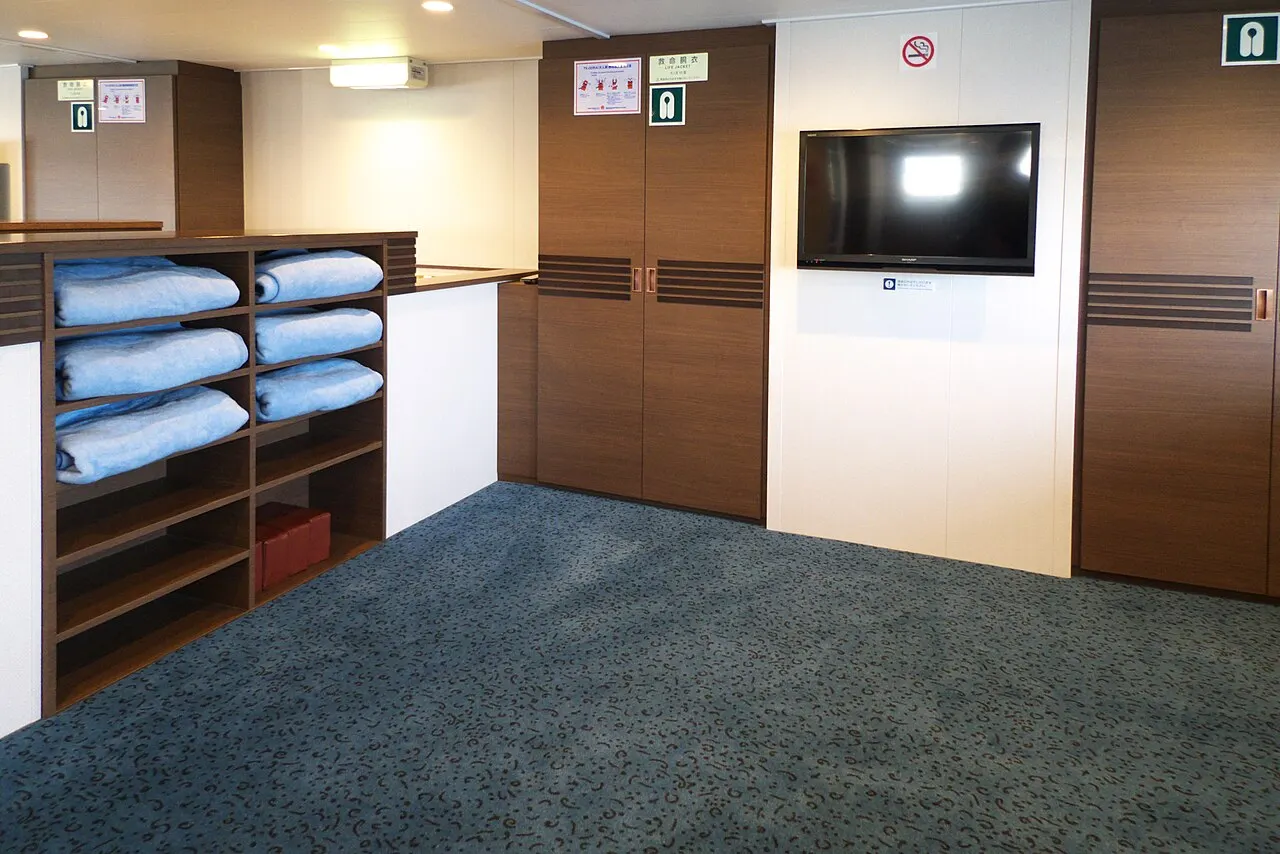
 (c) Photo: Yasu, CC BY-SA 3.0 (https://creativecommons.org/licenses/by-sa/3.0)
Overnight Ferry: Cabin or Seat? What to Book and What It Costs
On an overnight crossing the ticket class decides whether you arrive rested. Cabins, reclining seats and deck passage compared — real prices, when cabins sell out, and why the lounges are rarely quiet.
By Serhat Özçelik, Founder & Editor of Ferry Schedule Hub· Published June 13, 2026· updated July 11, 2026
Understanding Overnight Ferry Travel
Overnight ferry journeys offer a unique blend of transportation and accommodation, allowing travelers to cover significant distances while resting. Unlike short day trips, these voyages often span many hours, sometimes even a full day or more, connecting distant islands, countries, or remote coastal communities. From the busy routes of the Mediterranean to the scenic fjords of Norway or the inter-island links in Southeast Asia, overnight ferries are a important part of the global transport network. They provide an opportunity to wake up in a new destination, saving on hotel costs and maximizing sightseeing time. Planning for comfort is key, as the duration necessitates choosing the right sleeping arrangement for your budget and preferences.
Cabin Accommodation: Your Private Haven at Sea
Cabins are the most popular and comfortable option for overnight ferry travel, offering privacy, security, and a dedicated space to relax and sleep. They vary significantly in size, amenities, and price, catering to different needs and budgets.
- Inside Cabins: These are typically the most economical cabin option, located in the interior of the ship without a window. They are perfect for travelers primarily seeking a dark, quiet space to sleep.
- Outside Cabins: Featuring a porthole or window, outside cabins offer natural light and views of the sea, which can be a pleasant addition for many passengers. They are generally slightly more expensive than inside cabins.
- En-suite Facilities: Most modern cabins, especially on longer routes, come with a private bathroom, including a toilet, sink, and shower. This significantly enhances comfort and convenience.
- Berth Configurations: Cabins usually come with two, three, or four berths (beds), which can be bunk beds or floor-level. Some ferries offer single-occupancy cabins, while others require booking a full cabin even if traveling solo.
- Luxury Options: On some routes, particularly those with a longer duration or catering to a more premium market (e.g., certain Baltic Sea routes or luxury cruises in the Adriatic), you might find deluxe cabins, suites, or even cabins with balconies. These often include additional amenities like larger living spaces, mini-fridges, and complimentary toiletries.
Booking a cabin in advance, especially during peak season or on popular routes like those connecting the Greek islands, is highly recommended. You can check specific cabin availability and types when reviewing routes on our website.
Recliner Seats: A Budget-Friendly Sleeping Solution
For those on a tighter budget or shorter overnight journeys, recliner seats (also known as 'airplane-style seats' or 'pullman seats') offer a more affordable alternative to cabins. These are typically found in designated lounges, often located away from the main public areas to minimize noise and light.
- Comfort Level: While not as luxurious as a cabin, modern recliner seats are designed to be reasonably comfortable for sleeping. They usually recline significantly, offer ample legroom, and often have footrests.
- Amenities: Some ferry operators provide blankets and pillows for recliner seat passengers, though it's always wise to bring your own travel pillow and a light blanket or sleeping bag for added comfort and hygiene. Earplugs and an eye mask are key for a good night's rest in a shared space.
- Security: While generally safe, personal belongings should always be kept secure. Consider using a small padlock on your luggage and keeping valuables close at hand.
- Availability: Recliner seats are a common option on many routes, including those in the Mediterranean (e.g., Italy to Greece, or within the Cyclades) and parts of Northern Europe. They are often less expensive than cabins, making them a popular choice for backpackers or budget travelers.
Always check the specific amenities offered by the ferry operator for recliner seats when booking your journey.
Deck Access and Open-Air Sleeping
The most economical option for overnight travel is often a 'deck' or 'economy' ticket, which grants you access to the ship's public areas but no assigned seat or cabin. This is a common practice on many routes, particularly in the Mediterranean and Southeast Asia.
- Finding a Spot: Passengers with deck tickets will typically find a spot in public lounges, corridors, or on the open decks. Many bring their own sleeping bags, mats, or even small inflatable mattresses to create a comfortable sleeping area.
- Challenges: Sleeping on deck comes with its challenges. Noise levels can be high, lighting is often not conducive to sleep, and weather conditions (wind, cold, rain) can be a factor if sleeping outdoors. Security for belongings is also a greater concern.
- Best Practices: If opting for a deck ticket, arrive early to secure a good spot away from high-traffic areas. Bring warm clothing, a sleeping bag, a mat, an eye mask, and earplugs. Be mindful of others and keep your area tidy.
- Popularity: This option is particularly popular among young travelers, backpackers, or those setting off on very short overnight crossings where cost is the primary concern. For example, on some inter-island routes in Croatia or Greece, it can be a viable choice during pleasant weather.
While an adventurous option, it's generally recommended for shorter overnight trips or for those who are resilient to less-than-ideal sleeping conditions.
Camping on Board
There is one genuine exception to the rule against sleeping in your vehicle. On some long Mediterranean crossings, a ‘Camping on Board’ option lets drivers of campervans, motorhomes and caravans park on a designated open deck — with a 220V electrical hook-up — and sleep in the vehicle overnight, paying a deck-passage fare per person plus the vehicle fare rather than for a cabin. It has traditionally been offered across the April-to-October season, particularly on Italy–Greece routes, but availability is seasonal, route-specific and has been scaled back by some operators in recent years, so confirm it is running on your chosen sailing before relying on it. Cooking or using gas or any naked flame on board is forbidden, and the captain can close the open deck and move everyone inside in bad weather.
Booking Your Overnight Ferry Journey
Booking in advance is key for securing your preferred accommodation, especially during peak travel seasons or on popular routes. Ferry operators often release tickets several months in advance, and cabins, in particular, can sell out quickly.
- Online Booking: Our website allows you to easily search for routes, compare prices, and book tickets for various ferry operators worldwide. Input your departure and arrival ports, dates, and the number of passengers to see available options.
- Choosing Your Accommodation: During the booking process, you'll typically be presented with choices for cabins (inside, outside, various berths), recliner seats, or deck access. Review the descriptions and choose what best fits your needs.
- Vehicle Accommodation: If traveling with a vehicle, remember to select the correct vehicle type and dimensions during booking. This is a separate booking component from passenger accommodation.
- Flexibility: Consider purchasing flexible tickets if your travel plans are subject to change, though these may come at a slightly higher cost.
Always double-check your booking confirmation for details on check-in times, luggage allowances, and any specific instructions from the ferry operator.
What to Pack for an Overnight Ferry
Preparing the right essentials can significantly enhance your overnight ferry experience, regardless of your chosen sleeping arrangement.
- Essentials for All:
- Travel Documents: Tickets, passport/ID.
- Small Bag: Keep essentials like toiletries, medications, and a change of clothes readily accessible, as you might not want to access your main luggage once onboard.
- Snacks and Drinks: While most ferries have onboard restaurants and cafes, bringing your own can save money and ensure you have your preferred items.
- Entertainment: Books, e-readers, headphones, downloaded movies or music. Wi-Fi can be unreliable or expensive.
- Power Bank: Charging points might be limited, especially in public areas.
- For Recliner Seats & Deck Access:
- Travel Pillow: A neck pillow is invaluable.
- Eye Mask & Earplugs: Key for blocking out light and noise.
- Light Blanket or Sleeping Bag: Even indoors, temperatures can fluctuate.
- Comfortable Clothing: Layers are best.
- Small Padlock: For securing your luggage if leaving it unattended.
Remember that sea air can be cooler than expected, even in warmer climates, so layers are always a good idea.
Onboard Facilities and Services
Modern overnight ferries are often like mini-cruise ships, offering a range of facilities to make your journey enjoyable.
- Dining Options: Most ferries feature a variety of eateries, from self-service cafeterias to à la carte restaurants, bars, and snack kiosks.
- Shops: Duty-free shops are common on international routes, offering perfumes, alcohol, confectionery, and souvenirs.
- Entertainment: Some larger ferries might have cinemas, casinos, children's play areas, or even swimming pools (particularly on routes like those connecting Italy to Greece or in the Baltic Sea).
- Information Desk: A central information desk is usually available for inquiries, assistance, and sometimes currency exchange.
- Medical Services: Basic first aid is typically available, and some larger ferries may have a doctor or nurse onboard.
While onboard services aim to cater to diverse needs, it's always a good idea to check what specific facilities are available on your chosen ferry when planning your trip on our site.
Tips for a Smooth Overnight Journey
- Arrive Early: Especially if traveling with a vehicle or during peak season, arriving well in advance of departure allows for smooth check-in and boarding.
- Sea Sickness Prevention: If prone to sea sickness, consider taking medication before departure. Choosing a cabin in the middle of the ship or on a lower deck can also help minimize motion.
- Stay Hydrated: Drink plenty of water throughout your journey.
- Explore the Ship: Take some time to walk around and familiarize yourself with the ship's layout, including emergency exits.
- Respect Others: Be mindful of noise levels, especially in shared sleeping areas, and keep public spaces tidy.
- Keep Valuables Secure: Whether in a cabin or a public area, always keep your passport, wallet, and other valuables in a secure place or on your person.
By following these tips, your overnight ferry journey can be a relaxing and memorable part of your travel adventure.
On this page
- Understanding Overnight Ferry Travel
- Cabin Accommodation: Your Private Haven at Sea
- Recliner Seats: A Budget-Friendly Sleeping Solution
- Deck Access and Open-Air Sleeping
- Booking Your Overnight Ferry Journey
- What to Pack for an Overnight Ferry
- Onboard Facilities and Services
- Tips for a Smooth Overnight Journey
Frequently asked questions
Are cabins on overnight ferries worth the extra cost?
For most travelers, especially on longer routes or if traveling with family, cabins are highly recommended. They offer privacy, a quiet space, and often an en-suite bathroom, providing a much more comfortable and secure sleeping experience compared to recliner seats or deck access. The added cost often translates to a better night's sleep and arrival feeling refreshed.
Can I sleep in my car on an overnight ferry?
No, it is generally not permitted to remain in your vehicle on the car deck during an overnight ferry crossing. For safety reasons, passengers are required to leave the car deck once the ferry departs and proceed to the passenger areas. The car deck is typically inaccessible during the journey, and alarms may sound if movement is detected. The one exception is the ‘Camping on Board’ service offered on some long Mediterranean routes, where campervans and motorhomes are parked on an open deck and passengers may sleep in the vehicle — but this is a specific, seasonal option and never applies to enclosed car decks.
Do overnight ferries provide blankets and pillows?
It depends on the type of accommodation. Cabins almost always include bedding, blankets, and pillows. For recliner seats, some operators provide them, but it's not guaranteed, especially on budget-friendly routes. If you have a deck ticket, you will need to bring your own sleeping bag, mat, and pillow. It's always best to check with the specific ferry operator or bring your own for guaranteed comfort.
Is food available on overnight ferries?
Yes, nearly all overnight ferries offer a range of food and drink options. This can include self-service cafeterias, à la carte restaurants, bars, and snack kiosks. Availability and variety depend on the size of the ferry and the route. You can usually purchase meals, snacks, and beverages throughout the journey, though prices might be higher than on land.
How far in advance should I book an overnight ferry?
It's highly advisable to book overnight ferries as far in advance as possible, especially if you require a cabin, are traveling during peak season (e.g., summer in the Mediterranean), or on popular routes. Cabins, in particular, can sell out quickly. Booking several months ahead is ideal, but at least a few weeks in advance is recommended to secure your preferred accommodation.
Are there showers on overnight ferries?
Most cabins on overnight ferries come with a private en-suite bathroom, including a shower. Some larger ferries may also have shared shower facilities available for passengers without private cabins, often located near public restrooms. It's less common for smaller, older ferries. Check the specific amenities of your chosen ferry when booking.
Can I travel with a pet on an overnight ferry?
Yes, most operators carry pets on overnight sailings, but arrangements vary and space is limited, so book your pet in when you book the crossing. Options typically include pet-friendly cabins where the animal stays with you, on-board kennels, or — on some routes — leaving the pet in your vehicle on the car deck. Requirements such as microchipping, up-to-date vaccinations and, for international crossings, an animal health certificate also apply, so check the operator’s pet policy well before you travel.
Keep reading