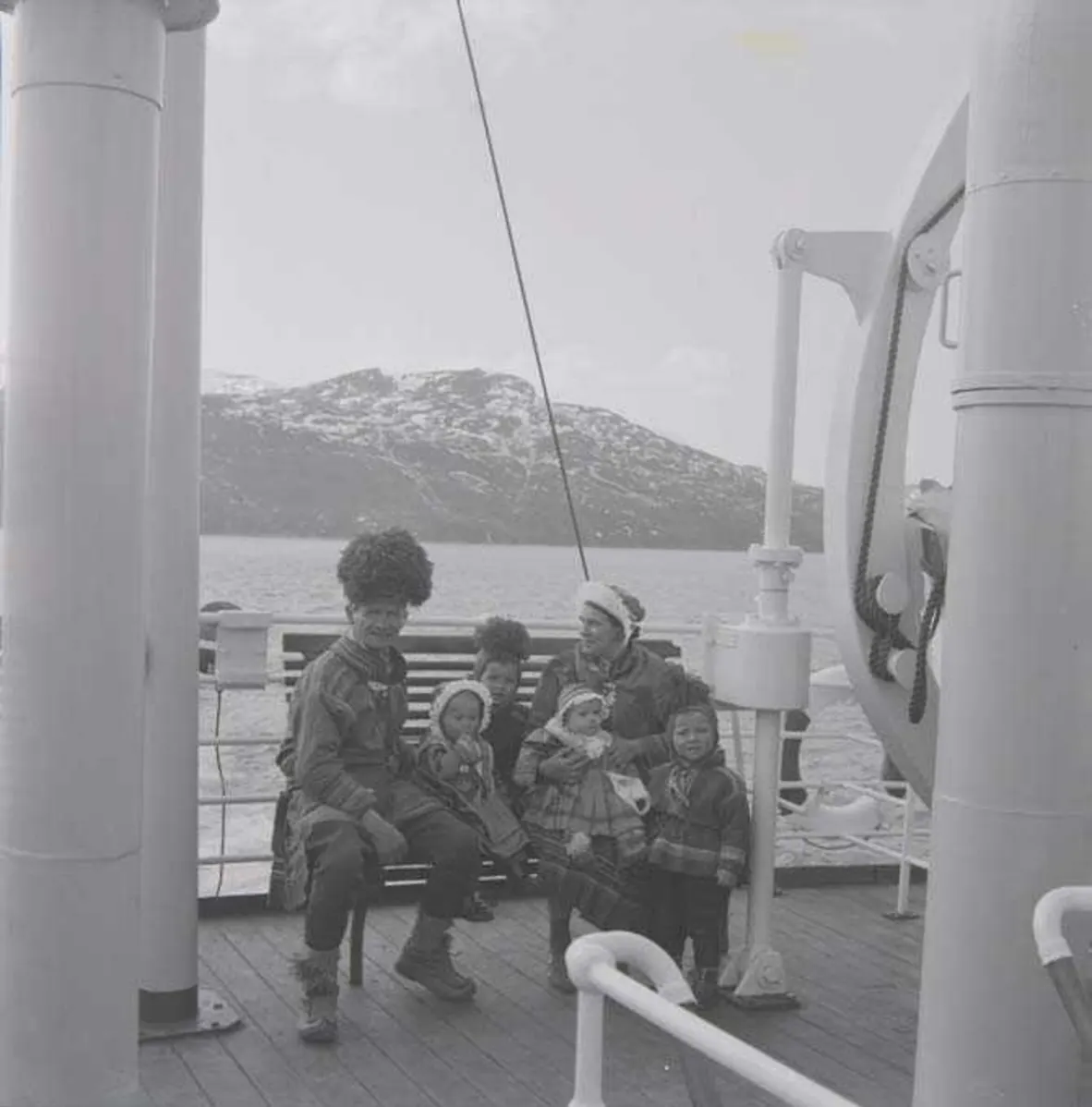
 (c) Photo: Lyder Kvantoland / Nordland Museum, CC BY-SA 4.0 (https://creativecommons.org/licenses/by-sa/4.0)
Ferry Travel with Kids: A Family Guide
Traveling by ferry with children can be a delightful adventure. This guide offers practical tips for planning, packing, and enjoying a stress-free family ferry journey worldwide.
By Serhat Özçelik, Founder & Editor of Ferry Schedule Hub· Published June 13, 2026· updated June 18, 2026
Introduction to Family Ferry Travel
Ferry travel has a unique and often more relaxed alternative to flying, especially when journeying with children. Instead of cramped planes and long security lines, ferries provide space to move, fresh air, and often striking views, turning the journey itself into part of the holiday. From island hopping in the Greek Cyclades to exploring the Norwegian fjords or crossing the Adriatic, ferries can be an integral part of an memorable family adventure.
This guide will equip you with key knowledge to plan and execute a smooth, enjoyable ferry trip with your little ones, ensuring a memorable experience for the whole family.
Choosing the Right Ferry and Route
Matching Ferry Type to Your Family's Needs
Not all ferries are created equal. Understanding the different types can help you choose the best option for your family:
- Conventional Ferries: These are larger, slower vessels, often with car decks, multiple lounges, restaurants, and sometimes even cabins. They are ideal for longer journeys (e.g., overnight crossings from Italy to Greece, or extended trips in the Baltic Sea) where comfort and space are paramount. They tend to be more stable in rougher seas.
- High-Speed Catamarans/Hydrofoils: These are faster, passenger-only vessels designed for quick transfers between islands or coastal towns (e.g., within the Greek islands, or between Split and Hvar in Croatia). While they cut down travel time, they offer less space to move around and can be more susceptible to motion sickness in choppy waters.
- Ro-Pax Ferries: These are combined roll-on/roll-off and passenger ferries, common for routes carrying both vehicles and a significant number of passengers. They often have good amenities, similar to conventional ferries.
Popular Family-Friendly Routes
Many ferry routes worldwide are well-suited for families. Consider destinations known for their safe, accessible environments:
- Greek Islands: Routes like Piraeus to Paros, Naxos, or Santorini offer frequent departures and a mix of conventional and high-speed options. Many ferries have play areas or dedicated lounges.
- Croatian Coast & Islands: Jadrolinija and Krilo operate routes connecting major cities like Split and Dubrovnik with popular islands such as Hvar, Brač, and Korčula.
- Norwegian Fjords: Coastal express ferries (like Hurtigruten) offer spectacular scenic journeys, though these can be longer and more expedition-focused. Shorter fjord crossings are also available.
- Mediterranean: Routes connecting mainland Italy, Spain, and France to Sardinia, Corsica, or Sicily often involve larger ferries with cabins and extensive facilities.
Always check live timetables and available routes on our website to find the best options for your specific travel dates and destination.
Booking Your Ferry Tickets
When to Book
For popular routes and peak travel seasons (summer holidays, long weekends), it's highly recommended to book ferry tickets well in advance, especially if you're traveling with a car or require a cabin. Some routes, particularly those to very popular islands or overnight journeys, can sell out months ahead. Off-peak travel offers more flexibility and often lower prices.
Ticket Types and Discounts
Most ferry operators offer various ticket types:
- Standard Passenger Tickets: These are for foot passengers.
- Vehicle Tickets: Key if you're bringing a car, motorcycle, or campervan. Ensure you specify the correct vehicle dimensions.
- Cabin Bookings: For overnight journeys, a private cabin (with or without a private bathroom) provides a comfortable space for your family to rest. These are highly recommended for longer trips with young children.
- Airline-Style Seats: Many ferries offer reserved airline-style seats in dedicated lounges, providing a comfortable alternative to general seating.
Look out for family discounts, child fares, and infant policies. Often, infants travel free or at a significantly reduced rate, and children up to a certain age (e.g., 4 or 5) may also have discounted fares. Always check the specific operator's policy when booking.
Packing Essentials for Ferry Travel with Kids
Smart packing can make a huge difference to your ferry experience.
- Entertainment Bag: Pack a dedicated bag with activities to keep children occupied. This could include coloring books, small toys, puzzle books, sticker books, tablets with pre-downloaded movies/games (and headphones!), and a favorite comfort item.
- Snacks and Drinks: While most ferries have onboard cafes or restaurants, having your own supply of preferred snacks, fruit, water, and juice boxes is key, especially for picky eaters or those with allergies.
- Comfort Items: A small blanket or travel pillow can help children nap, especially on longer journeys or if you've booked airline-style seats.
- Medication and First Aid: Carry any necessary prescription medications, motion sickness remedies (even if your child hasn't experienced it before, it's good to be prepared), plasters, antiseptic wipes, and pain relievers.
- Change of Clothes: Accidents happen! Pack a spare outfit for each child, especially for younger ones.
- Wipes and Hand Sanitizer: Key for quick clean-ups and hygiene.
- Sun Protection: If you plan to spend time on deck, hats, sunglasses, and sunscreen are a must.
- Small Backpacks for Kids: Let older children carry their own small backpack with their chosen entertainment and a water bottle. This gives them a sense of responsibility.
Onboard Fun and Comfort
Making the Most of Ferry Facilities
Many larger ferries are like floating resorts. Explore what's available:
- Outdoor Decks: The fresh air and sea views are often the biggest draw. Supervise children closely, especially near railings. It's a great place to spot other boats, islands, or even marine life.
- Play Areas: Some modern ferries, particularly on longer routes, feature dedicated children's play areas, soft play zones, or even small cinemas.
- Restaurants and Cafeterias: Most ferries offer a range of food options, from quick snacks to full meals. However, prices can be higher, so consider your packed snacks first.
- Cabins: If you've booked a cabin, it's your private sanctuary. Use it for naps, quiet time, or just to spread out.
- Shops: Duty-free shops are common on international routes, offering a distraction and a chance to browse.
Keeping Kids Entertained
Even without dedicated play areas, there's plenty to do:
- Story Time: Bring a few favorite books.
- Window Gazing: Encourage children to spot landmarks, other boats, or unique cloud formations.
- Drawing and Writing: A simple notepad and pens can provide hours of entertainment.
- Card Games or Travel Games: Compact games like Uno, a deck of cards, or travel-sized board games are excellent.
- Walks on Deck: Supervised walks can help burn off energy and provide a change of scenery.
- Podcasts/Audiobooks: For older children, a good audiobook can be very engaging.
Managing Motion Sickness
Motion sickness can affect anyone, but children are particularly susceptible. Here are some tips:
- Choose a Stable Spot: If possible, sit in the middle of the ferry on a lower deck, as these areas tend to experience less motion.
- Look at the Horizon: Encourage children to look out at the horizon rather than focusing on internal cabin features or reading.
- Fresh Air: Spending time on an open deck can help.
- Light Snacks: Avoid heavy, greasy meals before and during the journey. Opt for bland snacks like crackers or dry toast.
- Hydration: Sip water regularly.
- Medication: If your child is prone to motion sickness, consult with your pediatrician about appropriate over-the-counter remedies like dimenhydrinate (Dramamine) or meclizine (Bonine), or natural alternatives like ginger. Administer these before symptoms begin.
- Wristbands: Acupressure wristbands (like Sea-Bands) are drug-free options that some people find effective.
Safety First: Important Considerations
- Supervision: Always keep a close eye on your children, especially on open decks and near railings. Never let them wander unsupervised.
- Life Jackets: Familiarize yourself with the location of life jackets and emergency exits upon boarding. While not typically worn during the journey, knowing where they are is important.
- Boarding and Disembarking: These can be busy times. Keep children close, hold hands, and follow crew instructions. If you're traveling with a car, ensure children stay seated and secure until you are instructed to disembark.
- Cabin Safety: If you have a cabin, ensure children understand not to open the cabin door without permission and to be careful with bunk beds.
- Sun Protection: The sun's reflection off the water can be intense. Reapply sunscreen regularly, even on cloudy days.
Arrival and Disembarkation
As your ferry approaches its destination, crew members will usually make announcements. Gather your belongings and prepare to disembark. If you have a car, you will be called to the car deck. Be patient, as disembarkation can take some time, especially for larger ferries with many vehicles.
Once off the ferry, take a moment to reorient yourself. If you're connecting to another form of transport or meeting a transfer, ensure you know where to go. Enjoy the start of your next adventure!
Conclusion
Ferry travel with children, when planned thoughtfully, can be a truly enjoyable and enriching part of your family holiday. It has a unique perspective on your destination, a chance to relax and bond, and creates lasting memories. By following these tips, you'll be well-prepared for a smooth sailing experience, allowing you to focus on the joy of discovery with your loved ones.
Frequently asked questions
Is ferry travel safe with young children?
Yes, ferry travel is generally very safe. Modern ferries adhere to strict international safety standards. The key is active supervision, especially on open decks, and familiarizing yourself with safety procedures like emergency exits and life jacket locations upon boarding.
Do children need their own ticket on a ferry?
Most ferry operators offer discounted fares for children and often allow infants (typically under 2 or 4 years old, depending on the operator) to travel for free, though they may still require a 'ticket' for manifest purposes. Always check the specific age policies and fare structures of your chosen ferry company when booking.
What should I do if my child gets seasick on the ferry?
If your child experiences seasickness, encourage them to look at the horizon, get some fresh air on deck (supervised), and avoid focusing on anything inside the cabin. Offer bland snacks like crackers and sips of water. If you've consulted with a pediatrician, administer any pre-approved motion sickness medication. Acupressure wristbands can also be helpful for some.
Are there play areas or entertainment for kids on ferries?
Many larger, modern ferries, especially those on longer or popular routes, do offer dedicated children's play areas, soft play zones, or even small cinemas. However, this varies greatly by operator and vessel. It's best to check the specific amenities of your chosen ferry when booking. Always pack your own entertainment as a backup.
Can I bring a stroller or pram on a ferry?
Yes, strollers and prams are generally allowed on ferries. On conventional ferries, you can often keep them with you in passenger lounges. On high-speed ferries with limited space, you might be asked to fold them and store them in designated luggage areas. If traveling with a car, you can leave it in your vehicle on the car deck.
Is it better to book a cabin for an overnight ferry with kids?
For overnight ferry journeys with children, booking a private cabin is highly recommended. It provides a quiet, comfortable, and secure space for your family to rest, sleep, and store belongings. This can make a significant difference in everyone's comfort and energy levels upon arrival.
Keep reading