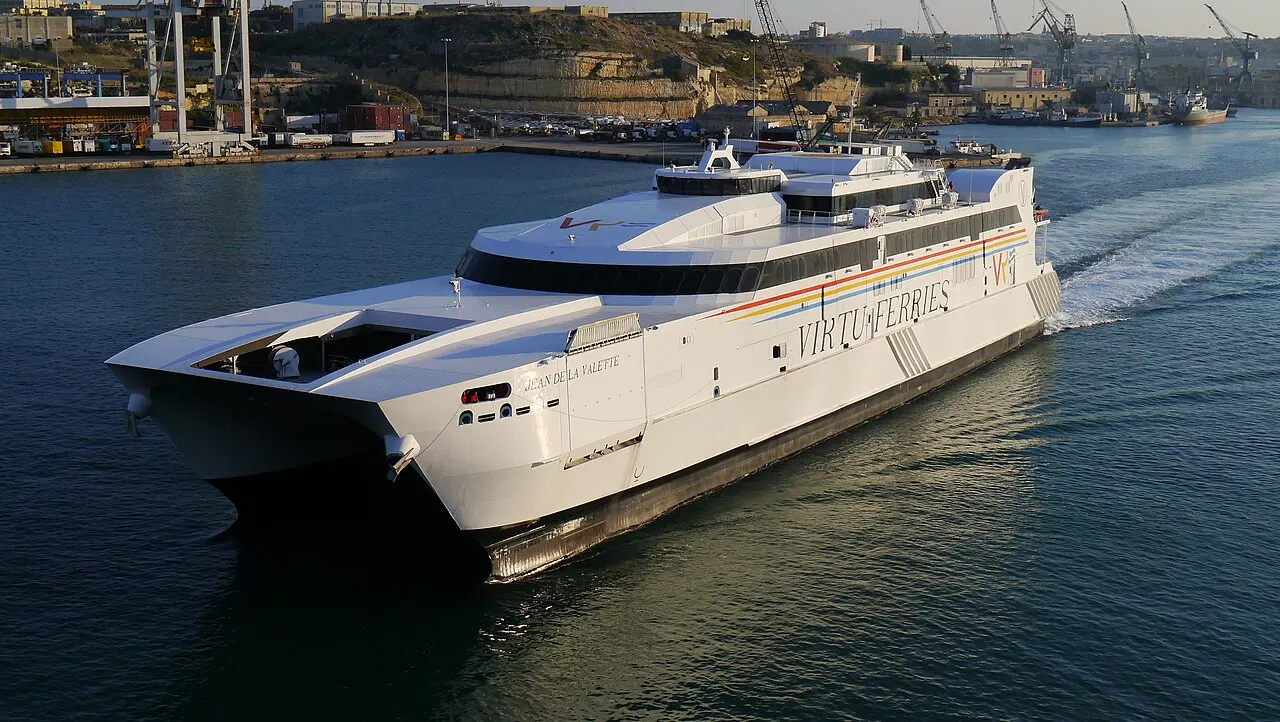
 (c) Photo: Drdoht, CC0 (https://creativecommons.org/publicdomain/zero/1.0/)
Conventional vs High-Speed Ferries: Which Should You Choose?
Deciding between conventional and high-speed ferries? This guide helps you weigh speed, cost, comfort, and amenities to pick the best option for your journey.
By Serhat Özçelik, Founder & Editor of Ferry Schedule Hub· Published June 13, 2026· updated July 11, 2026
Understanding the Two Main Ferry Types
When planning your next island-hopping adventure or coastal journey, you'll generally encounter two primary types of ferries: conventional (or standard) ferries and high-speed ferries. While both will get you to your destination, they offer vastly different experiences in terms of speed, comfort, amenities, and cost. Understanding these differences is key for making the best choice for your travel style and budget.
Conventional ferries are the workhorses of the seas, often larger vessels designed to carry a significant number of passengers, vehicles, and cargo. They prioritize stability and capacity over speed. High-speed ferries, conversely, are built for rapid transit, often using catamaran or hydrofoil designs to cut through the water much faster.
At a Glance: Conventional vs High-Speed
| Factor | Conventional ferry | High-speed ferry |
|---|---|---|
| Speed | Slower; longer crossings | Often around half the journey time |
| Price | Cheaper — usually the most economical option | Typically 10–50% more for the same route |
| Stability / seasickness | Larger and steadier; smoother in rough seas | Lighter; bumpier and more felt in choppy water |
| Amenities | Restaurants, bars, shops, decks and cabins on long routes | Basic — snack bar and aircraft-style seating |
| Vehicles | Cars, campervans and motorcycles carried routinely | Rarely, with tighter size/weight limits; often foot passengers only |
| Weather reliability | More stable; less prone to weather cancellations | More easily cancelled or delayed by strong winds and high waves |
Speed and Journey Duration
The most obvious difference lies in speed. High-speed ferries can significantly reduce travel times. For example, a route from Piraeus (Athens) to Mykonos might take around 5-6 hours on a conventional ferry, but a high-speed catamaran could complete the journey in approximately 2.5-3.5 hours. Similarly, crossing the Adriatic from Split to Hvar in Croatia might be an hour faster on a high-speed service.
While faster travel sounds appealing, consider the actual time saved against the overall length of your trip. For very short routes, like between adjacent Greek islands (e.g., Paros to Naxos), the time difference might be minimal, perhaps 15-30 minutes. For longer routes, such as those connecting the Italian mainland to Sardinia or Corsica, high-speed options can be less common or only marginally faster for the substantial distance, making conventional overnight ferries a popular choice.
Cost Implications
Generally, high-speed ferries come with a higher price tag. The increased fuel consumption, advanced technology, and often more premium onboard services contribute to this. Expect to pay anywhere from 10% to 50% more for a high-speed ticket compared to a conventional ferry for the same route. This difference can add up significantly if you're planning multiple ferry journeys, such as an extensive Greek island-hopping itinerary.
Always compare prices directly for your specific route and dates. Sometimes, promotional fares or off-peak travel can narrow the price gap. For budget-conscious travelers, conventional ferries almost always offer the more economical option, especially if you're traveling with a vehicle.
Comfort and Stability at Sea
Conventional ferries, being larger and heavier, tend to offer a more stable ride, particularly in rougher seas. Their sheer size means they are less affected by waves, making them a better choice for passengers prone to seasickness. They often feature multiple decks, spacious lounges, and outdoor areas where you can walk around and enjoy the views.
High-speed ferries, especially catamarans and hydrofoils, can be more susceptible to the motion of the sea. In choppy conditions, the ride can be bumpier, and some passengers might find it less comfortable. Many high-speed vessels have aircraft-style seating and may have limited outdoor access during the journey for safety reasons. If you know you or your travel companions are sensitive to sea motion, a conventional ferry is often the safer bet.
Onboard Facilities and Amenities
This is where conventional ferries often shine. Due to their larger size and longer journey times, they typically boast a wider array of facilities. You can expect multiple restaurants, self-service cafeterias, bars, shops, children's play areas, and sometimes even swimming pools or cinemas on very large vessels (e.g., those operating between Italy and Greece or within Scandinavia). Many offer cabins for overnight journeys, providing a private and comfortable space.
High-speed ferries, designed for shorter transit times, usually have more basic amenities. You'll typically find a snack bar or small cafe, and basic restroom facilities. Seating is often assigned and more compact, similar to an airplane. While sufficient for a quick journey, they offer less in terms of entertainment or relaxation options.
Vehicle Transport Considerations
If you're traveling with a car, campervan, or motorcycle, conventional ferries are almost always your only option, particularly for longer or more popular routes. Their large car decks are designed to accommodate numerous vehicles of various sizes. Some high-speed catamarans can carry a limited number of cars, but this is less common and often comes with stricter size and weight restrictions.
Booking vehicle space on any ferry, especially during peak season, is highly recommended. You can check vehicle capacity and booking options for specific routes on this site.
Flexibility and Route Availability
Conventional ferries operate on a vast network of routes worldwide, often serving smaller, less accessible islands in addition to major hubs. They tend to have more frequent departures on popular routes and are less prone to cancellations due to moderate weather conditions.
High-speed services often focus on popular, direct routes between major ports where speed is a significant advantage. While they offer excellent connectivity, their schedules can be more susceptible to adverse weather (strong winds, high waves), leading to cancellations or delays more frequently than conventional ferries.
Making Your Decision: Key Factors to Consider
- Budget: If cost is a primary concern, opt for conventional ferries.
- Time Sensitivity: If every minute counts, high-speed ferries are the clear winner for saving travel time on longer routes.
- Comfort & Seasickness: For a smoother ride or if prone to seasickness, choose a conventional ferry.
- Travel with Vehicle: If you have a car, a conventional ferry is almost always necessary.
- Onboard Experience: For a more relaxed journey with more amenities, choose a conventional ferry.
- Weather Conditions: In potentially rough weather, conventional ferries offer greater reliability and comfort.
- Route Specifics: Always check the specific options available for your desired route and the typical journey duration for each.
Ultimately, the best choice depends on your individual priorities. For a relaxing journey with maximum comfort and flexibility, especially with a vehicle, a conventional ferry is ideal. For those prioritizing speed and willing to pay a premium, high-speed ferries offer a rapid transit solution. Before booking, always consult the live timetables and compare options for your specific journey directly on this website to ensure you make the most informed decision.
Frequently asked questions
Are high-speed ferries more likely to be cancelled?
Yes, high-speed ferries are generally more susceptible to cancellations or delays due to adverse weather conditions (like strong winds or high waves) compared to larger, more stable conventional ferries.
Can I take my car on a high-speed ferry?
While some high-speed catamarans can carry a limited number of vehicles, it's much less common than with conventional ferries. Most high-speed services are passenger-only. Always check specific route details if you plan to travel with a vehicle.
Are conventional ferries always cheaper?
Generally, yes. Conventional ferry tickets are typically more economical than high-speed ferry tickets for the same route due to lower operating costs and different service models. However, always compare current prices for your specific travel dates.
Which type of ferry is better if I get seasick easily?
If you are prone to seasickness, a conventional ferry is almost always the better choice. Their larger size and heavier build provide a more stable ride, especially in choppy waters, compared to the often bumpier experience on high-speed vessels.
What kind of amenities can I expect on each ferry type?
Conventional ferries typically offer a wider range of amenities, including multiple restaurants, bars, shops, and sometimes cabins for overnight travel. High-speed ferries usually have more basic facilities, such as a snack bar and aircraft-style seating, focusing on quick transit.
Do high-speed ferries really save a lot of time?
For longer routes, high-speed ferries can significantly cut down travel time, often by half or more. For very short island hops, the time saving might be less substantial, perhaps only 15-30 minutes.
Keep reading