 (c) Photo: Wolfmann, CC BY-SA 4.0 (https://creativecommons.org/licenses/by-sa/4.0)
Do Ferries Have WiFi, Food and Power? Onboard Facilities Explained
Discover what to expect on ferries worldwide: WiFi availability, dining options, power outlets, and more. Plan your journey with confidence.
By Serhat Özçelik, Founder & Editor of Ferry Schedule Hub· Published June 13, 2026· updated July 11, 2026
Understanding Onboard Ferry Facilities: A Global Perspective
Ferry travel has a unique way to experience coastal regions, island hopping, and even international journeys. While the primary purpose is transportation, the onboard experience can significantly impact your trip. Modern ferries, especially those on longer routes, have evolved to provide a range of facilities designed for passenger comfort and convenience. However, the exact amenities vary widely depending on the operator, vessel size, route length, and even the region of the world you're traveling in. This guide will help you understand what to expect regarding WiFi, food, power, and other key services across different ferry types and locations.
WiFi on Ferries: Staying Connected at Sea
The availability of WiFi on ferries is a common question for many travelers. In short, it's not universally guaranteed, but it is increasingly common, especially on larger vessels and popular routes. Here's a breakdown:
- Paid vs. Free WiFi: Many ferry operators, particularly in Europe (e.g., DFDS Seaways, Stena Line, Moby Lines), offer WiFi, but it's often a paid service. You might purchase access for a set duration (e.g., 1 hour, 24 hours) or a specific data allowance. Free WiFi, when available, is typically limited to certain areas like lounges or cafes and may have data caps or speed restrictions.
- Coverage and Reliability: Ferry WiFi relies on satellite or cellular signals. While underway, especially in open waters, satellite connections can be slower and less reliable than land-based internet. In coastal areas or near islands, cellular-based WiFi might be faster. Don't expect to stream high-definition video consistently. It's best for checking emails, social media, and light browsing. That picture is changing, though: a growing number of operators now fit Starlink or other low-earth-orbit (LEO) satellite systems on certain vessels, delivering much faster, more stable connections — 50 Mbps and up — that can cope with video calls and streaming. It is not yet fleet-wide or universal as of the 2026 season, so check the specific ship and route rather than assuming fast WiFi is guaranteed.
- Regional Differences: In regions like the Greek Islands (e.g., with operators like Blue Star Ferries, Minoan Lines), WiFi is often available, sometimes for a fee. Scandinavian and Baltic Sea ferries (e.g., Viking Line, Tallink Silja) generally offer robust WiFi, often with premium paid options. In other parts of the world, such as some Southeast Asian or South American routes, WiFi may be less common or nonexistent.
- Backup Plan: Always consider having a backup. A local eSIM or international roaming is a cheap, practical fallback — your phone's data often works well within a few miles of the coast and near islands, so you can stay connected without paying for onboard WiFi. Download any key entertainment or documents before boarding.
Always check the specific ferry operator's website or the details for your chosen route on a ferry schedule website before you travel to confirm WiFi availability and costs.
Dining and Food Options: From Snacks to Full Meals
Hunger won't be an issue on most substantial ferry journeys, as a wide array of food and beverage options are typically available. The type and quality of food services are heavily dependent on the duration of the trip and the vessel size.
- Cafeterias and Self-Service Restaurants: These are the most common dining options, found on almost all medium to large ferries. They offer a range of hot and cold dishes, sandwiches, salads, pastries, and drinks. Prices are generally comparable to airport food – a bit higher than on land, but not exorbitant. Operators like Anek Lines (Greece) and Brittany Ferries (UK-France) feature extensive self-service options.
- A La Carte Restaurants: On overnight or longer international routes (e.g., between Italy and Greece, or across the Baltic Sea), you'll often find more formal à la carte restaurants offering a sit-down dining experience with waiter service. These typically have a broader menu and higher prices.
- Bars and Cafes: Most ferries have several bars and cafes serving coffee, tea, soft drinks, alcoholic beverages, and light snacks. These are great spots to relax and enjoy the views.
- Snack Vending Machines: For quick bites or during off-hours, vending machines are often available, offering crisps, chocolates, and drinks.
- Bringing Your Own Food: You are generally permitted to bring your own snacks and non-alcoholic drinks on board. This can be a cost-effective option, especially for shorter journeys or if you have specific dietary needs. However, consuming your own hot food or preparing meals is usually not allowed.
- Dietary Restrictions: While some larger ferries may cater to common dietary restrictions (vegetarian, gluten-free), options can be limited, especially in cafeterias. If you have severe allergies or specific requirements, it's always wise to bring some suitable food with you.
Checking the ferry operator's website for specific menus and opening times is recommended, especially for longer voyages where meal planning might be important.
Power Outlets and Charging: Keeping Your Devices Alive
In our connected world, keeping devices charged is key. Here's what to expect regarding power outlets on ferries:
- Limited Availability: Power outlets are generally available but are often limited, especially in public seating areas. You might find them in specific charging stations, near some cafe tables, or in designated lounge areas.
- Cabins are Best: If you're traveling in a cabin, you will almost certainly have access to one or more power outlets directly in your cabin. This is the most reliable way to charge your devices.
- Bring Adapters: Ensure you have the correct power adapter for the country where the ferry operator is based or where the ferry primarily operates (e.g., Type F for much of Europe, Type G for UK-based ferries).
- Power Banks are Key: A fully charged power bank is your best friend on any ferry journey. It ensures you can charge your phone, tablet, or other small devices even if outlets are scarce or in use.
- Respect Others: If you find a public outlet, be mindful of other passengers who may also need to charge. Avoid hogging outlets for extended periods or plugging in multiple devices if space is limited.
Don't rely solely on finding a public outlet. Plan ahead by charging devices fully before boarding and bringing a power bank.
Seating and Accommodation: Comfort for Every Journey
Ferry seating and accommodation options range from basic to luxurious, catering to different budgets and journey lengths.
- Deck Seating: For short trips, standing or sitting on open decks is common, offering fresh air and views.
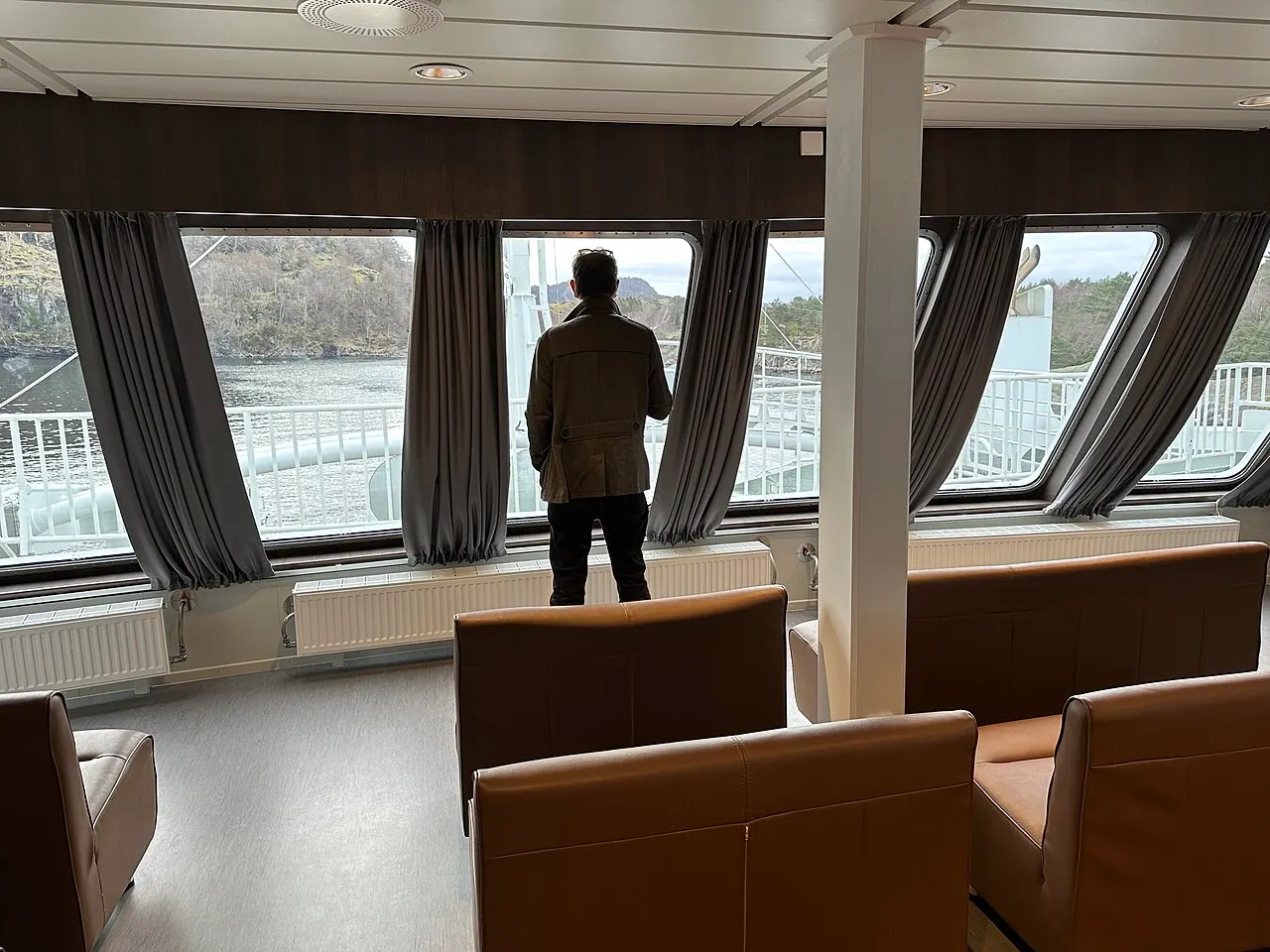
- Lounge Seating: Most ferries provide general lounge areas with airline-style seats, often padded. These are usually included in the basic ticket price.
- Reserved Seating/Airline Seats: On many longer routes, especially in regions like the Greek Islands (e.g., with operators like Hellenic Seaways), you can pay extra for reserved, more comfortable airline-style seats in a dedicated lounge. These often recline slightly and offer more personal space.
- Cabins: For overnight or very long journeys, cabins are available. These range from basic interior cabins with bunk beds and private bathrooms to more luxurious exterior cabins with windows, larger beds, and additional amenities. Cabins offer privacy, a place to sleep, and guaranteed power outlets.
- Sleeping Pods/Reclining Chairs: Some modern ferries, particularly in Asia, feature sleeping pods or very comfortable reclining chairs in quiet zones, offering a more affordable alternative to a full cabin.
Consider the length of your journey and your need for privacy and rest when choosing your seating or accommodation type.
Entertainment and Shopping: Beyond the Horizon
Longer ferry journeys often come equipped with options to keep passengers entertained and provide opportunities for duty-free shopping.
- Shops: Duty-free shops are a staple on international ferry routes (e.g., between the UK and France, or across the Baltic Sea). They sell alcohol, tobacco, perfumes, cosmetics, confectionery, and souvenirs, often at competitive prices. Even on domestic routes, smaller shops might sell snacks, newspapers, and basic necessities.
- Children's Play Areas: Many family-friendly ferries feature dedicated play areas for children, sometimes supervised. These can be soft play zones, ball pits, or areas with games and activities.
- Casinos and Arcades: On some larger, overnight ferries, particularly in Northern Europe, you might find small casinos or arcade game rooms.
- Cinemas/TV Lounges: A few ferries offer small cinemas or lounges with large screens showing movies or TV programs.
- Observation Decks and Lounges: The best entertainment for many is simply enjoying the sea views from open decks or panoramic lounges.
While entertainment options exist, it's always a good idea to bring a book, download movies, or have other personal entertainment ready, especially if traveling with children.
Luggage and Accessibility: Smooth Boarding and Disembarking
Understanding luggage rules and accessibility features ensures a smooth start and end to your ferry journey.
- Luggage Storage: Most ferries have designated areas for luggage storage, often near the car deck or at the entrance to passenger areas. While there might not be strict weight limits like on airlines, you should be able to carry your own bags. For cabin passengers, luggage goes directly into the cabin.
- Car Decks: If you're traveling with a vehicle, you'll drive directly onto the car deck. Note that passenger access to the car deck is usually restricted during the sailing for safety reasons.
- Accessibility: Modern ferries are generally designed with accessibility in mind, offering ramps, elevators, and accessible restrooms. Some even have specially adapted cabins. However, it's always advisable to contact the ferry operator in advance if you have specific accessibility needs to confirm the facilities on your chosen vessel and route.
- Embarkation/Disembarkation: Boarding and disembarking can sometimes involve walking up and down ramps or gangways. Allow ample time and be prepared for crowds, especially during peak season.
Always check the specific ferry operator's guidelines regarding luggage and accessibility when planning your trip. You can find links to operator websites through the ferry schedule search on this site.
Planning Your Ferry Trip: Key Considerations
To make the most of your ferry journey, a little preparation goes a long way:
- Book in Advance: Especially for popular routes, peak season, or if you're traveling with a vehicle or require a cabin, booking your tickets well in advance is key. This also often secures better prices.
- Check Operator Websites: For the most accurate and up-to-date information on specific facilities, services, and any potential changes, always refer to the official website of the ferry operator.
- Consider Journey Length: For short hops (e.g., between Greek islands like Mykonos to Paros), basic facilities suffice. For longer, overnight voyages (e.g., from Bari to Corfu or Oslo to Copenhagen), cabins, diverse dining, and entertainment become more important.
- Prepare for Seasickness: If you're prone to motion sickness, bring medication, choose a cabin or seating mid-ship, and spend time on deck in the fresh air.
- Arrive Early: Allow plenty of time before departure for check-in, boarding, and finding your way around the vessel.
By understanding the range of facilities available and planning accordingly, your ferry journey can be a comfortable and enjoyable part of your travel adventure. Remember to check live timetables and routes on this site to find the perfect ferry for your next trip.
On this page
- Understanding Onboard Ferry Facilities: A Global Perspective
- WiFi on Ferries: Staying Connected at Sea
- Dining and Food Options: From Snacks to Full Meals
- Power Outlets and Charging: Keeping Your Devices Alive
- Seating and Accommodation: Comfort for Every Journey
- Entertainment and Shopping: Beyond the Horizon
- Luggage and Accessibility: Smooth Boarding and Disembarking
- Planning Your Ferry Trip: Key Considerations
Frequently asked questions
Do ferries have WiFi, and is it free?
Many larger and modern ferries, especially on longer routes, offer WiFi. It's often a paid service, purchased for a duration or data allowance. Free WiFi, if available, is usually limited and less reliable. Always check with the specific ferry operator.
What kind of food is available on ferries?
Most ferries offer a range of dining options, from cafeterias with hot and cold dishes to bars and cafes for snacks and drinks. Longer journeys may feature à la carte restaurants. You can usually bring your own snacks and non-alcoholic beverages.
Can I charge my phone or laptop on a ferry?
Power outlets are generally available but can be limited in public areas. If you have a cabin, you'll have outlets there. Bringing a fully charged power bank is highly recommended as a backup.
Are there cabins or just seats on ferries?
Both are common. Shorter routes often have general lounge seating or reserved airline-style seats. Longer and overnight routes typically offer a range of cabins, from basic interior options to more luxurious exterior ones with private bathrooms.
Do ferries have entertainment or shops onboard?
Many ferries, especially those on international or longer routes, feature duty-free shops, children's play areas, and sometimes even cinemas, arcades, or casinos. Observation decks are also popular for enjoying the views.
Can I bring my own food and drinks on a ferry?
Yes, you are generally allowed to bring your own snacks and non-alcoholic drinks onto the ferry. This can be a good way to save money or cater to specific dietary needs.
Keep reading