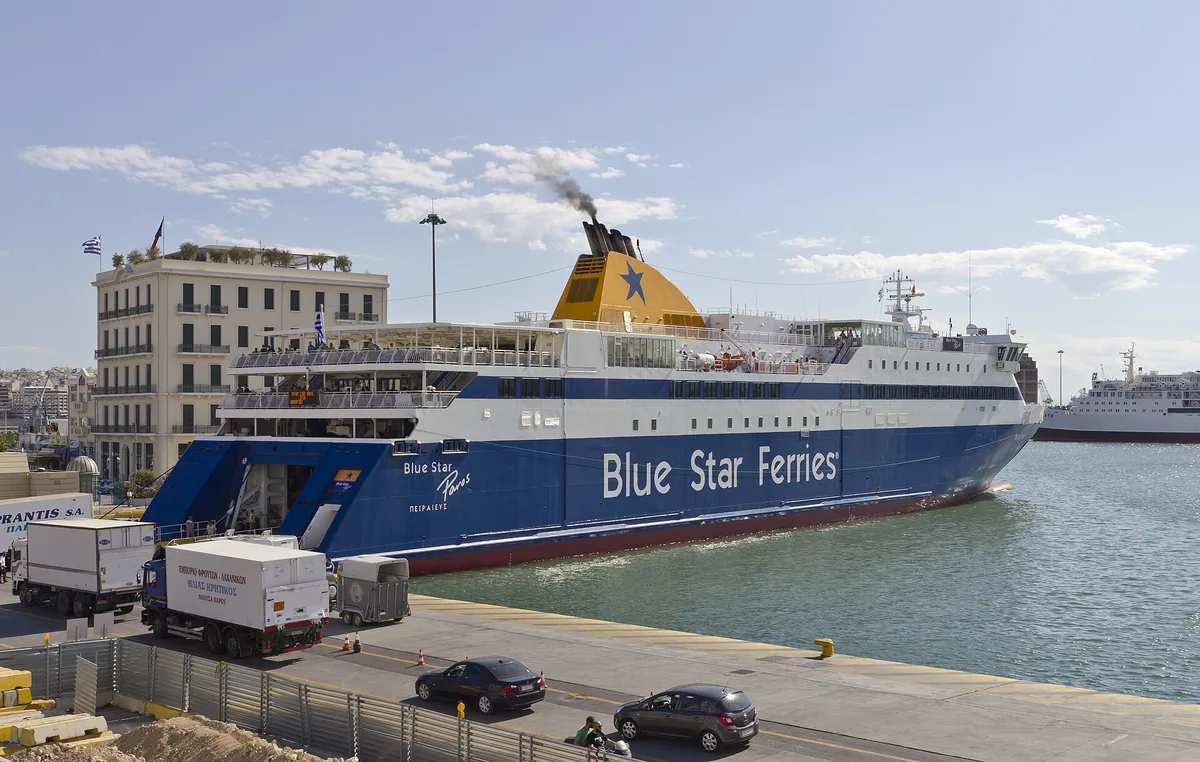
 (c) A.Savin / CC BY-SA 3.0
How to Get to the Greek Islands from Athens
Discover how to reach the Greek Islands from Athens by ferry. This comprehensive guide covers all major ports, routes, and essential travel tips for a smooth journey.
By Serhat Özçelik, Founder & Editor of Ferry Schedule Hub· Published June 13, 2026· updated July 11, 2026
Understanding Athens' Main Ferry Ports: Piraeus, Rafina, and Lavrion
Athens serves as the route to the Greek Islands, primarily through three main ferry ports: Piraeus, Rafina, and Lavrion. Each port caters to different island groups, and understanding their distinctions is key for planning your trip. Piraeus is the largest and busiest, serving a vast network of islands. Rafina is smaller but offers faster connections to the Cyclades, particularly Andros, Tinos, and Mykonos. Lavrion, the smallest of the three, is ideal for accessing Kea (Tzia) and Kythnos, and also offers some routes to the eastern Cyclades and to the north-east Aegean.
Choosing the right port depends entirely on your destination island. While Piraeus offers the most extensive options, sometimes a shorter journey from Rafina or Lavrion can save you time and hassle, especially if your initial flight arrives at Athens International Airport (ATH) and you plan to head directly to a nearby island.
Piraeus Port: The Main Hub for Greek Island Ferries
Piraeus is the largest port in Greece and one of the busiest in Europe, located approximately 10 kilometers southwest of Athens city center. It's the primary departure point for ferries to the Cyclades (Santorini, Mykonos, Paros, Naxos, Milos, etc.), the Dodecanese (Rhodes, Kos, Patmos, etc.), the North Aegean Islands (Lesvos, Chios, Samos, Ikaria, etc.), and Crete (Heraklion, Chania). The port is well-connected to Athens via metro (Green Line), suburban railway (Proastiakos), and bus services, making it easily accessible from various parts of the city and the airport.
Within Piraeus, there are multiple gates (E1-E12), each serving specific destinations. It's important to check your ticket for the correct gate number well in advance, as distances between gates can be considerable. Ferry companies operating from Piraeus include Blue Star Ferries, Hellenic Seaways, Minoan Lines, Anek Lines, and Seajets, among others. You can check live timetables and routes for all these operators on this site.
Rafina Port: Your Route to the Northern Cyclades
Rafina is the second-largest port near Athens, located on the northeastern coast of Attica, approximately 30 kilometers from Athens city center and just 10 kilometers from Athens International Airport (ATH). This proximity to the airport makes it an excellent choice for travelers flying into Athens and heading directly to islands like Andros, Tinos, Mykonos, and occasionally Paros and Naxos. Ferries from Rafina are often faster to these particular islands compared to those departing from Piraeus, as they bypass the longer journey around the Attica peninsula.
Transportation to Rafina from Athens city center is primarily by intercity bus (KTEL Attikis) from Pedion Areos. From Athens Airport, direct KTEL buses run frequently to Rafina port. Key ferry operators from Rafina include Fast Ferries, Golden Star Ferries, and Seajets. For up-to-date schedules and booking, explore the options available on this site.
Lavrion Port: Access to Kea, Kythnos, and Eastern Cyclades
Lavrion is the smallest of Athens' three main ferry ports, situated on the southeastern tip of the Attica peninsula, about 60 kilometers from Athens city center and 35 kilometers from Athens International Airport (ATH). While less frequented by international travelers, Lavrion is the most convenient port for reaching the nearby islands of Kea (Tzia) and Kythnos, which are popular weekend getaways for Athenians. It also offers less frequent connections to Cyclades islands such as Syros, plus a separate north-east Aegean line to Agios Efstratios, Limnos and the mainland port of Kavala. (Kavala, despite appearing in some Lavrion timetables, is a city in northern Greece, not a Cycladic island.)
Reaching Lavrion involves taking an intercity bus (KTEL Attikis) from Pedion Areos in Athens or a direct bus from Athens Airport. Due to its smaller size, navigating Lavrion port is generally simpler than Piraeus. Ferry companies sailing from Lavrion include Triton Ferries (for Kea and Kythnos), Fast Ferries and Cyclades Fast Ferries to the Cyclades, and Seajets, which also runs the north-east Aegean line to Agios Efstratios, Limnos and Kavala. Always confirm departure details and available routes via the ferry search tool on this website.
Choosing Your Ferry Type: Conventional vs. High-Speed
When traveling to the Greek Islands, you'll encounter two main types of ferries: conventional ferries and high-speed ferries (catamarans or hydrofoils). Each has its advantages and disadvantages.
- Conventional Ferries: These are larger, slower vessels designed for longer journeys and capable of carrying a significant number of vehicles and passengers. They offer more amenities, including restaurants, cafes, and comfortable lounges. Travel time is longer, but they are generally more stable in rough seas, making them a good option if you are prone to seasickness. They are also typically more budget-friendly.
- High-Speed Ferries: These vessels are smaller, faster, and primarily passenger-only (though some larger high-speeds can accommodate a limited number of vehicles). They drastically cut down travel times, especially for popular routes like Athens to Mykonos or Santorini. However, they can be more expensive, and their ride can be bumpier in choppy waters. If speed is your priority and you're not susceptible to motion sickness, a high-speed ferry is an excellent choice.
Consider your budget, time constraints, and comfort preferences when selecting your ferry type. You can easily filter by ferry type when checking timetables on this site.
Key Tips for Booking and Boarding Your Ferry
Booking your ferry tickets in advance is highly recommended, especially during peak season (June to September) or for popular routes and holidays. While it's sometimes possible to buy tickets at the port, relying on this can lead to disappointment, particularly if you're traveling with a vehicle or on a busy route. Online booking through this website allows you to compare prices, schedules, and ferry companies conveniently.
Ticket Collection and Boarding
- E-tickets: Many ferry companies now offer e-tickets, which you can receive directly on your phone. This is the most convenient option, saving you time at the port.
- Physical Tickets: If e-tickets are not available, you'll need to pick up your physical tickets from the ferry company's office at the port or a designated travel agency. Arrive at least 1-2 hours before departure to allow ample time for this, especially at Piraeus.
- Boarding: For passengers without vehicles, aim to be at the gate at least 30-45 minutes before departure. If you're traveling with a car, you'll need to arrive earlier, typically 1-2 hours, as vehicle boarding is a more involved process.
Always have your booking confirmation and identification ready when boarding. Listen for announcements and follow crew instructions for a smooth process.
Navigating Athens Airport to Ferry Ports
Getting from Athens International Airport (ATH) to your chosen ferry port is straightforward with several transportation options:
- To Piraeus: The most efficient way is often the X96 express bus, which runs 24/7 directly from the airport to Piraeus port. Alternatively, you can take the suburban railway (Proastiakos) to Piraeus station, which is adjacent to the port. A taxi is also an option, but expect higher fares.
- To Rafina: Direct KTEL Attikis buses connect the airport to Rafina port frequently. This is generally the quickest and most economical option for reaching Rafina. Taxis are also available.
- To Lavrion: While less frequent, KTEL Attikis buses also operate from the airport to Lavrion. A taxi might be a more convenient, albeit more expensive, choice if bus schedules don't align with your arrival.
Factor in travel time between the airport and the port, especially if you have a tight connection. Allow at least 2-3 hours for transfers and boarding, particularly for flights arriving in the afternoon or evening.
Packing Essentials for Ferry Travel
What you pack can significantly impact your ferry travel experience. Consider these essentials:
- Small Day Bag: Keep essentials like your ticket, ID, wallet, phone, charger, and any medications in a small bag that stays with you.
- Layers of Clothing: Even on sunny days, the sea breeze can be cool, especially on deck or inside air-conditioned cabins.
- Snacks and Water: While ferries have cafes, bringing your own snacks and water can save money and ensure you have what you prefer.
- Entertainment: Books, e-readers, headphones, or downloaded movies are great for passing the time, especially on longer journeys.
- Motion Sickness Medication: If you're prone to seasickness, bring appropriate medication, especially for high-speed ferries or if rough seas are forecast.
- Sun Protection: Sunglasses, a hat, and sunscreen are key if you plan to spend time on the open deck.
Remember that on conventional ferries, you'll typically leave your larger luggage in a designated storage area on the car deck, so ensure valuables are kept with you.
Island Hopping Strategies from Athens
Many travelers coming from Athens want to visit multiple Greek islands. Planning an island-hopping itinerary requires careful consideration of ferry connections. The Cyclades are particularly well-suited for island hopping due to frequent inter-island routes. For example, you can take a ferry from Piraeus to Paros, then another ferry from Paros to Naxos, and finally from Naxos to Santorini, before returning to Athens.
When planning, try to group islands that are geographically close to minimize travel time. Use the ferry search function on this site to explore direct connections between islands. Sometimes, returning to Athens and departing from a different port for a new island group might be more efficient than trying to find obscure direct inter-island routes. Always build in buffer time between ferry connections, as delays can occur, especially during peak season or due to weather conditions.
Weather Considerations and Ferry Delays
Greek ferries generally operate reliably, but weather conditions, particularly strong winds (known as 'meltemi' in the summer), can cause delays or even cancellations. This is more common for high-speed ferries, which are more susceptible to rough seas. Always check the weather forecast before your journey and monitor ferry schedules on the day of departure.
Ferry companies are usually good about informing passengers of significant delays or cancellations. If your ferry is cancelled, you are entitled to a full refund or rebooking on the next available sailing. It's wise to have flexible travel plans, especially when connecting flights are involved, and consider travel insurance that covers such disruptions. You can find real-time updates for ferry departures on this site, which can be invaluable during periods of uncertain weather.
Direct ferries from Athens (Piraeus)
Once you reach Piraeus, these are the most-searched crossings to the islands — each page has the current timetable and operators:
- Piraeus to Santorini ferry
- Piraeus to Milos ferry
- Piraeus to Paros ferry and Piraeus to Naxos ferry
- Piraeus to Mykonos ferry
Island-hopping onward? A popular next leg is the Santorini to Milos ferry.
On this page
- Understanding Athens' Main Ferry Ports: Piraeus, Rafina, and Lavrion
- Piraeus Port: The Main Hub for Greek Island Ferries
- Rafina Port: Your Route to the Northern Cyclades
- Lavrion Port: Access to Kea, Kythnos, and Eastern Cyclades
- Choosing Your Ferry Type: Conventional vs. High-Speed
- Key Tips for Booking and Boarding Your Ferry
- Navigating Athens Airport to Ferry Ports
- Packing Essentials for Ferry Travel
- Island Hopping Strategies from Athens
- Weather Considerations and Ferry Delays
- Direct ferries from Athens (Piraeus)
Frequently asked questions
Which Athens port should I use for my Greek island trip?
The port you use depends on your destination island. Piraeus serves most island groups (Cyclades, Dodecanese, Crete, North Aegean). Rafina is best for Andros, Tinos, Mykonos, and some other Cyclades, especially if coming from Athens Airport. Lavrion is ideal for Kea and Kythnos.
How far in advance should I book my ferry tickets?
It's highly recommended to book ferry tickets in advance, especially during peak season (June-September) and for popular routes. Booking online via this website ensures you secure your spot, particularly if traveling with a vehicle.
What's the difference between conventional and high-speed ferries?
Conventional ferries are larger, slower, and more stable, often carrying vehicles and offering more amenities. High-speed ferries (catamarans/hydrofoils) are faster and primarily passenger-only, cutting travel time but can be bumpier in rough seas. Choose based on speed, budget, and comfort preference.
How do I get from Athens Airport to the ferry ports?
For Piraeus, take the X96 express bus or suburban railway. For Rafina, use the direct KTEL Attikis buses. For Lavrion, KTEL Attikis buses are available, though less frequent. Taxis are an option for all ports but are more expensive.
What happens if my ferry is delayed or cancelled due to weather?
Ferry delays or cancellations due to strong winds are possible, especially for high-speed ferries. Companies typically inform passengers, and you are entitled to a refund or rebooking. Always check current conditions and schedules on this site and have flexible travel plans.
Keep reading