 (c) Wikimedia Commons / Public domain
Dodecanese Island Hopping: The Complete Guide
Discover the magic of the Dodecanese islands! This guide covers routes, ferry types, booking tips, and essential advice for an unforgettable Greek island-hopping adventure.
By Serhat Özçelik, Founder & Editor of Ferry Schedule Hub· Published June 13, 2026· updated July 11, 2026
Introduction to Dodecanese Island Hopping
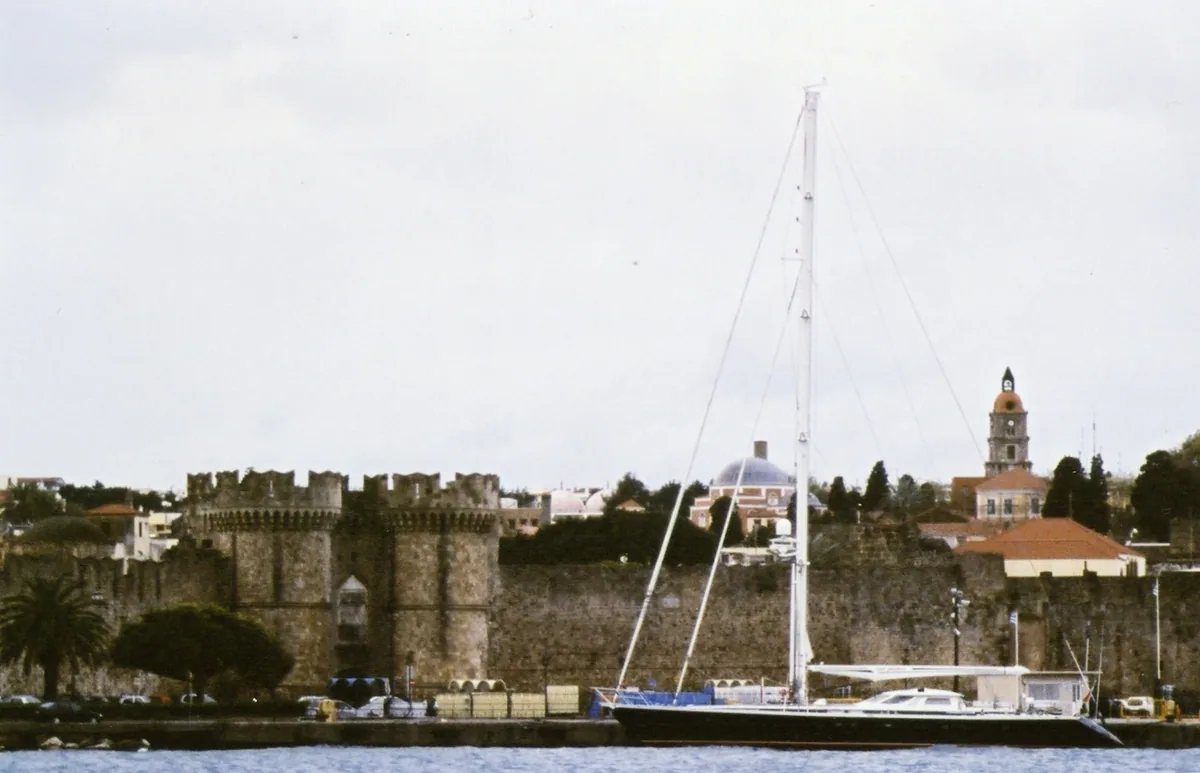
The Dodecanese, a captivating chain of islands in the southeastern Aegean Sea, has a rich tapestry of history, culture, and striking natural beauty. From the medieval grandeur of Rhodes to the calm charm of Patmos and the volcanic landscapes of Nisyros, these islands are perfectly suited for an memorable island-hopping adventure. Ferry travel is the lifeblood of the Dodecanese, connecting its diverse islands and allowing travelers to craft bespoke itineraries. Understanding the ferry system is key to a smooth and enjoyable journey.
Popular Dodecanese Island Hopping Routes
The Dodecanese network is extensive, with many islands well-connected. Here are some of the most popular starting points and routes:
- Rhodes as a Hub: Rhodes, the largest island, serves as the main international gateway with an airport and frequent ferry connections. From Rhodes, you can easily reach Symi, Kos, Kalymnos, Leros, Patmos, and further afield to Astypalaia and Karpathos. Symi in particular makes an easy day trip: several fast morning departures reach it in about 1 hour 20 minutes, returning in the late afternoon.
- Kos Connections: Kos is another significant hub, particularly convenient for reaching Kalymnos, Leros, Patmos, and even some of the smaller, less-frequented islands like Nisyros and Tilos. It also has an international airport.
- Northern Dodecanese Loop: A popular route involves starting from Patmos and exploring Leros, Lipsi, and Agathonisi. These islands offer a more calm experience.
- Southern Dodecanese Exploration: From Rhodes, consider exploring Karpathos, Kasos, and Chalki for a different pace and unique cultural experiences.
When planning your route, consider the size and character of the islands you wish to visit. Some travelers prefer to spend more time on fewer islands, while others enjoy a faster pace, visiting multiple destinations.
Ferry Operators and Types in the Dodecanese
Several ferry companies operate services within the Dodecanese and connect the islands to mainland Greece (Piraeus port in Athens) and other island groups. The main operators typically include:
- Blue Star Ferries: Known for their large, conventional ferries, Blue Star offers comfortable journeys with amenities like restaurants, cafes, and cabins. They connect the Dodecanese with Piraeus and serve many major Dodecanese islands.
- Dodekanisos Seaways: This local company specializes in high-speed catamarans and hydrofoils, providing faster connections between the Dodecanese islands. They are ideal for island hopping, offering frequent services on popular routes.
- ANES Ferries: A Symi-based line, sailing since 1979, that operates the daily Rhodes–Symi crossing (around 1 hour 20 minutes) and onward connections from Symi into the wider Dodecanese.
- Saos Ferries: Still active across the Dodecanese, linking the North-Eastern Aegean with most of the Dodecanese islands, though generally on a less frequent schedule than the main lines.
- SeaJets: Primarily a Cyclades high-speed operator, SeaJets also runs seasonal fast services that reach parts of the Dodecanese and connect them with the Cyclades in summer.
- Local Small Boats: For very short distances, such as between Rhodes and Symi, or Kos and Nisyros, smaller local boats and excursion vessels also operate, though these may not be part of the main ferry booking systems.
Ferry types include:
- Conventional Ferries: Slower but more stable, offering vehicle transport and a wider range of facilities.
- High-Speed Ferries (Catamarans/Hydrofoils): Faster, foot passengers only (usually), and can be more susceptible to rough seas. They are excellent for quickly moving between islands.
You can check live timetables and routes for all these operators on this site to find the best option for your journey.
Booking Ferry Tickets for the Dodecanese
Booking in advance, especially during peak season (July and August), is highly recommended. While it's sometimes possible to buy tickets at the port on the day of travel, popular routes and high-speed services can sell out. Here's how to book:
- Online through this Site: The most convenient way to compare schedules, prices, and book tickets for all major operators. You can receive e-tickets directly to your email.
- Travel Agencies: Local travel agencies on the islands or in Athens can book tickets for you, often for a small service fee.
- Port Ticket Offices: Available at all major ports, but be prepared for queues, especially before departures.
When booking, ensure you have the correct names as they appear on your passport or ID. For conventional ferries, you can choose different seating classes, from deck passage (cheapest, open seating) to airline-style seats and private cabins. High-speed ferries usually offer numbered economy or business class seats.
Key Travel Tips for Dodecanese Ferries
- Arrive Early: Aim to be at the port at least 45-60 minutes before departure for conventional ferries, especially if you have a vehicle. For foot passengers on high-speed ferries, 30 minutes is usually sufficient.
- Check for Delays/Cancellations: Ferry schedules can be affected by weather conditions, particularly strong winds (Meltemi in summer). Always check the status of your ferry on this site or with the port authorities on the day of travel. In case of cancellation, operators typically offer rebooking or a refund.
- Port Logistics: Greek ports can be busy and sometimes chaotic. Be aware of which quay your ferry departs from. Staff will usually direct passengers during boarding.
- Luggage: On conventional ferries, you typically store large luggage in designated areas on the car deck. On high-speed ferries, there are usually racks near the entrance. Keep valuables and essentials with you.
- Seasickness: If you are prone to seasickness, consider taking medication before your journey, especially on high-speed ferries which can feel the waves more. Choose a conventional ferry if possible for a smoother ride on rough days.
- Food and Drink: Most ferries have a canteen or cafe. On longer journeys, you might want to bring your own snacks and water.
- Connectivity: Mobile signal can be intermittent at sea. Download any necessary information or entertainment beforehand.
Which Dodecanese Islands to Visit?
The Dodecanese offers an island for every taste:
- Rhodes: A historical powerhouse with a striking medieval Old Town, lively nightlife, and beautiful beaches.
- Kos: Known for its ancient ruins, cycling culture, and lively resort towns.
- Symi: Famous for its pretty neoclassical harbor, appealing villages, and calm atmosphere.
- Patmos: The 'Jerusalem of the Aegean,' a spiritual island with the impressive Monastery of St. John.
- Kalymnos: A rock climber's paradise, also known for its sponge diving heritage.
- Leros: A green island with beautiful bays, Italian architecture, and a relaxed pace.
- Nisyros: Explore its active volcano crater for a truly unique experience.
- Tilos: A quiet, eco-friendly island perfect for hiking and birdwatching.
- Karpathos: Offers dramatic landscapes, traditional villages (like Olympos), and excellent windsurfing conditions.
- Chalki: A tiny, appealing island ideal for a peaceful retreat.
Consider mixing larger, more developed islands with smaller, quieter ones to experience the full diversity of the Dodecanese.
Connecting to the Dodecanese from Mainland Greece and Other Islands
The primary gateway from mainland Greece to the Dodecanese is the port of Piraeus, near Athens. Overnight conventional ferries depart regularly, with journeys ranging from 10 to 18 hours depending on the destination and stops. These ferries often call at multiple Dodecanese islands along their route.
There are also seasonal ferry connections from other island groups:
- Cyclades: Direct connections to some Dodecanese islands (e.g., Rhodes, Kos, Patmos) exist, especially during summer, from islands like Syros, Mykonos, and Santorini.
- North-Eastern Aegean: Less frequent but possible connections to islands like Samos.
- Crete: Direct services are less common but can be found, often connecting via other islands.
Always check the most up-to-date schedules on this site when planning inter-island group travel, as these routes can be seasonal and subject to change.
Enjoy Your Dodecanese Island Hopping Adventure
Dodecanese island hopping is an enriching experience that combines smooth travel with incredible discoveries. With careful planning and an understanding of the ferry system, you are well-prepared to explore the unique charm and beauty of these Greek gems. Remember to stay flexible, embrace the journey, and enjoy the striking Aegean Sea.
On this page
- Introduction to Dodecanese Island Hopping
- Popular Dodecanese Island Hopping Routes
- Ferry Operators and Types in the Dodecanese
- Booking Ferry Tickets for the Dodecanese
- Key Travel Tips for Dodecanese Ferries
- Which Dodecanese Islands to Visit?
- Connecting to the Dodecanese from Mainland Greece and Other Islands
- Enjoy Your Dodecanese Island Hopping Adventure
Frequently asked questions
What is the best time of year for Dodecanese island hopping?
The best time is typically from May to early July and September to early October. During these months, the weather is pleasant, the sea is warm, and the islands are less crowded than in the peak August season. Ferries run frequently, but strong winds (Meltemi) can sometimes affect schedules in July and August.
Do I need to book Dodecanese ferry tickets in advance?
Yes, especially during the high season (July and August) and for popular routes or high-speed ferries. Booking in advance ensures you get your preferred departure time and seating, and it avoids potential sell-outs. You can easily book online through this site.
Can I take a car on Dodecanese ferries?
Yes, most conventional ferries can transport vehicles. However, high-speed catamarans and hydrofoils are generally for foot passengers only. If you plan to rent a car on an island, it's often more convenient to rent one on each island rather than transporting a vehicle between them due to cost and logistics.
How long does it take to travel between Dodecanese islands?
Travel times vary significantly depending on the distance between islands and the type of ferry. For example, a high-speed ferry from Rhodes to Symi might take around 1 hour, while a conventional ferry from Kos to Patmos could take 3-4 hours. Longer journeys, such as from Piraeus to Rhodes, are typically overnight trips of 10-18 hours.
What happens if my Dodecanese ferry is cancelled or delayed?
Ferry delays or cancellations, often due to weather, are a possibility. If your ferry is cancelled, operators typically offer a full refund or rebooking on the next available service. For delays, passengers are usually informed via port announcements or the booking agency. Always check the latest status on this site or with port authorities on your travel day.
Are there direct ferries from other Greek island groups to the Dodecanese?
Yes, especially during the summer months, there are often direct ferry connections from some Cycladic islands (e.g., Syros, Mykonos, Santorini) to major Dodecanese hubs like Rhodes or Kos. Connections from other island groups like the North-Eastern Aegean or Crete are less frequent but can exist. Always check current timetables on this site for the most accurate information.
Can I do a day trip from Rhodes to Symi?
Yes — Symi is one of the most popular day trips in the Dodecanese. Fast ferries run daily from Rhodes to Symi in around 1 hour 20 minutes, with several morning departures (operated by lines such as ANES Ferries and Dodekanisos Seaways) returning in the late afternoon, so you can explore the harbour of Gialos and be back in Rhodes the same evening. Book ahead in peak season, as morning sailings fill quickly.
Keep reading