 (c) Thomas Zimmermann (THWZ) / CC BY-SA 3.0 de
Danish Island Ferries: Ærø & the South Funen Archipelago
The South Funen Archipelago is Denmark's loveliest island-ferry landscape. Here's how to reach Ærø, ride the electric ferry Ellen and explore the tiny islands by boat and bike.
By Serhat Özçelik, Founder & Editor of Ferry Schedule Hub· Published July 16, 2026
South of the Danish island of Funen lies a scatter of low, green islands in a sheltered sea — the South Funen Archipelago, or Det Sydfynske Øhav. It's Denmark's gentlest island landscape, and the only way through it is by ferry: from the harbour towns of Svendborg and Faaborg out to beloved Ærø and a handful of tiny islands that a bridge will never reach.
The South Funen Archipelago
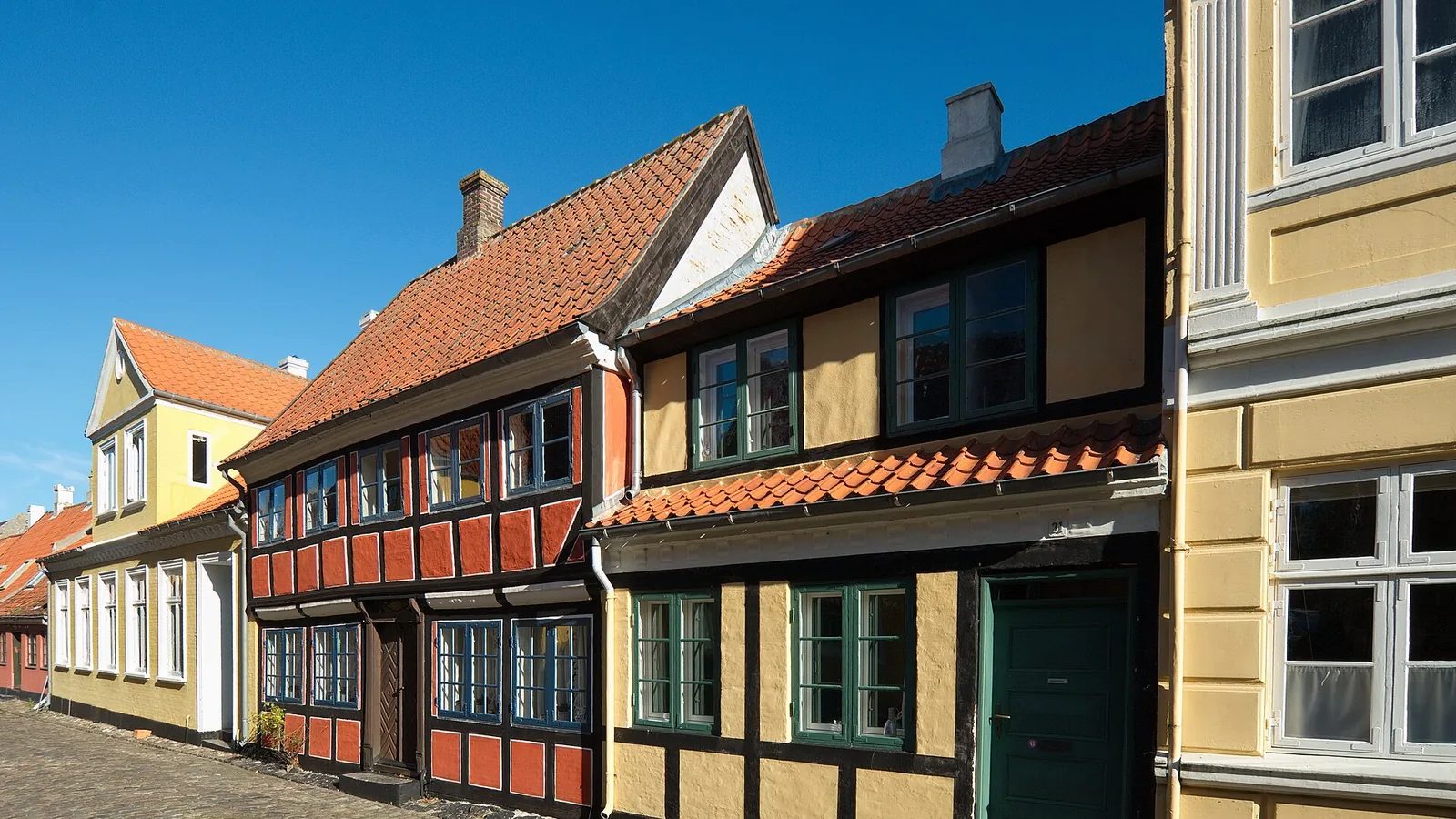
The archipelago is compact and calm — no dramatic cliffs, just meadows running down to the water, thatched farms and half-timbered harbour towns. Two mainland gateways serve it: Svendborg and Faaborg, both on southern Funen and both easy to reach by road. From them, car ferries and small passenger boats fan out across the Øhav. Browse every route on our South Funen region hub.
Getting to Ærø
The star of the archipelago is Ærø, a long, flat island of picture-book towns. Three car ferries reach it:
- Svendborg – Ærøskøbing — to Ærø's prettiest town, roughly an hour.
- Faaborg – Søby — to the island's northern harbour.
- Als (Fynshav) – Søby — the link from the Jutland side.
Crossings take about an hour, and in the summer high season the car deck fills up, so book a vehicle space ahead — foot passengers and cyclists have far more flexibility.
The E-ferry Ellen: the world's largest electric ferry
Ærø has quietly become a green-transport pioneer. The E-ferry Ellen, sailing the Søby–Fynshav route, was at its launch the largest all-electric ferry in the world, crossing on battery power alone. It's a fitting symbol for an island that aims to run on renewable energy — and a genuinely modern way to arrive.
The little islands
Beyond Ærø, small passenger ferries serve some of Denmark's tiniest island communities, several with only a handful of year-round residents:
- Lyø and Avernakø — reached from Faaborg, gentle islands of hedgerows and beaches.
- Skarø, Drejø and Hjortø — served from Svendborg, quiet dots in the Øhav.
These are foot-passenger boats to slow, car-light islands — the essence of the South Funen experience.
Cycling the islands
The Øhav is made for two wheels. Ærø in particular is flat, small and laced with quiet lanes, and most visitors bring a bike across as a foot passenger rather than a car. Our guide to taking a bicycle on a ferry covers the essentials, and it's the best way to link the harbour towns and beaches at island pace.
Beyond South Funen
Denmark's other domestic ferries are worth knowing too: the island of Samsø is reached by ferry from Jutland and Zealand, and over on Zealand, Copenhagen's electric harbour buses run as part of the city transit — see our Zealand ferry hub.
Frequently asked questions
How do I get to Ærø by ferry?
By car ferry from Svendborg to Ærøskøbing, from Faaborg to Søby, or from Als (Fynshav) to Søby. The crossings take about an hour. In summer, book a car space ahead, as the deck fills up; cyclists and foot passengers are more flexible.
What is the E-ferry Ellen?
Ellen is an all-electric car ferry on the Søby–Fynshav route to Ærø. At its launch it was the largest battery-powered ferry in the world, crossing on electric power alone as part of Ærø's push to be a renewable-energy island.
Can I bring a car to the South Funen islands?
You can take a car to Ærø on the main ferries — book ahead in summer. The smaller islands like Lyø, Avernakø, Skarø and Drejø are served by foot-passenger boats and are best explored car-free, on foot or by bike.
Which small islands can I visit in the South Funen Archipelago?
From Faaborg you can reach Lyø and Avernakø; from Svendborg, Skarø, Drejø and Hjortø. These are tiny, quiet islands with only a handful of residents, served by small passenger ferries.
Is Ærø good for cycling?
Ideal. Ærø is flat, compact and criss-crossed with quiet lanes, and most visitors bring a bicycle across as a foot passenger rather than a car. It's the classic way to link Ærøskøbing, Marstal and the island's beaches.
Keep reading