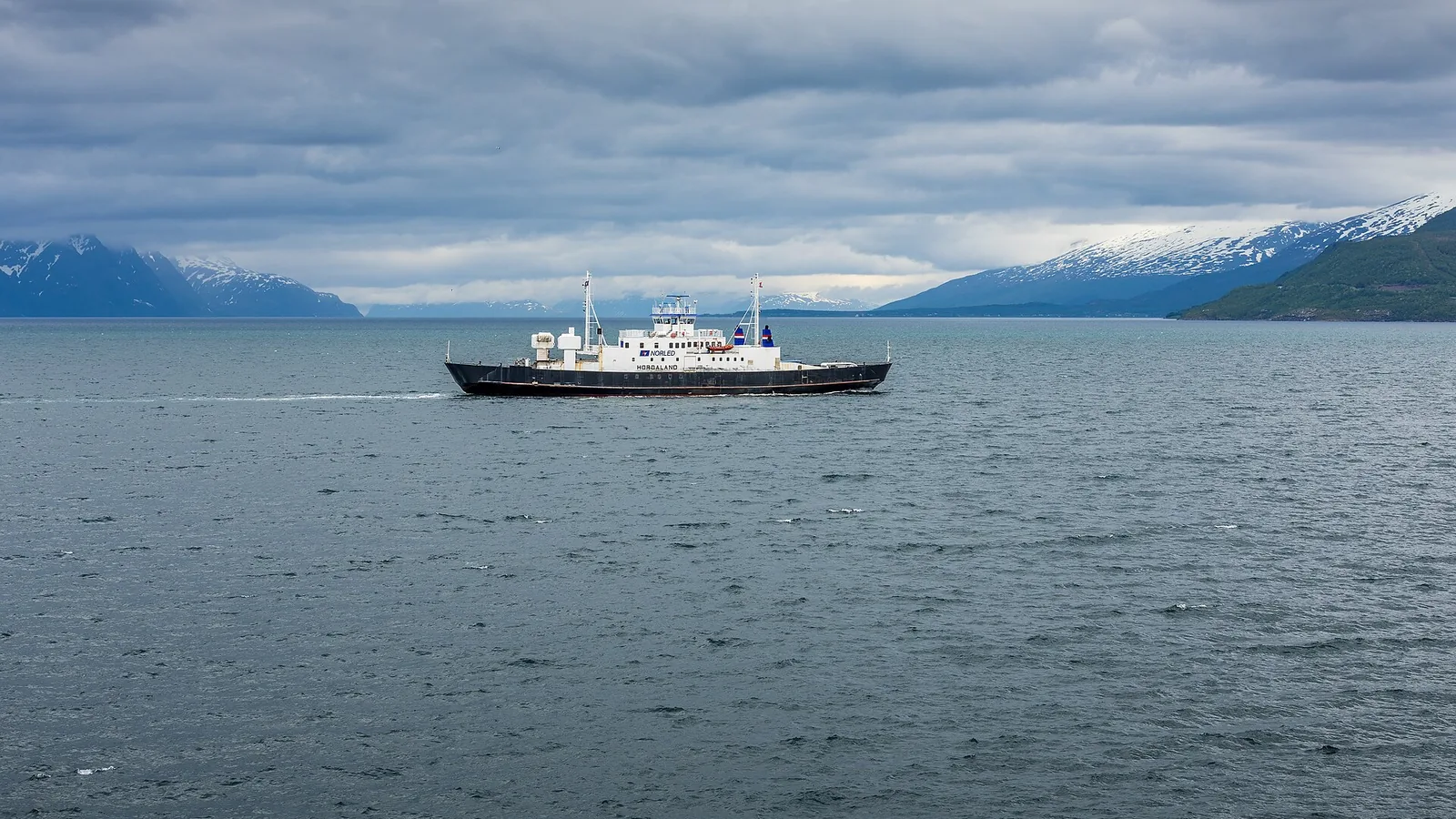
 (c) Ximonic (Simo Räsänen) / CC BY-SA 4.0
Norway's Ferry Network: Your Comprehensive Route Guide
Explore Norway's extensive ferry network, from the iconic Western Fjords to the Arctic. Discover car ferries, express boats, and coastal routes.
By Serhat Özçelik, Founder & Editor of Ferry Schedule Hub· Published July 5, 2026· updated July 11, 2026
The Vastness of Norway's Ferry Network
Norway, a land defined by its dramatic coastline, deep fjords, and countless islands, relies heavily on an intricate and extensive ferry network. This system is not merely a mode of transport; it is the lifeblood connecting communities, facilitating trade, and offering unparalleled access to some of the world's most dramatic landscapes. With roughly 130 distinct ferry connections — and, at peak, on the order of a couple of thousand scheduled departures every day — spanning the entire coast from the southern fjords to the high Arctic, Norway boasts one of the world's largest and most important ferry networks.
For visitors and locals alike, understanding Norway's ferry system is key to unlocking the country's unique travel experiences. Unlike many other nations, there is no single national map that encompasses all routes. Instead, travel is meticulously planned by region and specific route, reflecting the diverse geographical challenges and local needs across the country. The network is broadly categorized into three distinct types of services, each serving a unique purpose:
- Car Ferries (Ferjekai): These are an integral part of Norway's national and county road network, including critical sections of the E39 coastal highway. Designed for short, frequent crossings, they operate on a drive-on/drive-off basis, seamlessly integrating into road journeys. They are key for bridging fjords and connecting islands where bridges or tunnels are not feasible.
- Express Passenger Catamarans (Hurtigbåt): Often referred to as "hurtigbåt," these high-speed vessels primarily transport passengers, though some may accommodate bicycles. They connect larger towns and cities with smaller island communities or remote villages, offering a faster alternative to road travel for those without a vehicle or seeking a scenic shortcut.
- Long Coastal Sailings (Kystrute): These services represent a more traditional form of coastal transport, often covering significant distances over several hours or even days. While some are dedicated passenger services, others, like the well-known Hurtigruten, combine passenger transport with cargo, serving as a important lifeline for remote communities along the entire Norwegian coast.
Each type of service has a different perspective on Norway's striking maritime environment, from quick fjord crossings that are part of your daily commute to leisurely voyages that become the highlight of your trip. Many of these crossings are considered scenic attractions in their own right, offering panoramic views of fjords, mountains, and coastal scenery.
Navigating Norway's Ferry System: Payment and Planning
Understanding the practicalities of Norway's ferry network is key for a smooth journey. While the system is efficient, it operates differently from many other countries, particularly concerning payment and booking procedures.
Payment for Car Ferries
For car ferries that are part of the national and county road network, the primary payment method for vehicles is the AutoPASS system. This automatic number-plate charging system simplifies the process, eliminating the need for manual transactions on board most ferries. Vehicles are automatically registered as they drive onto the ferry, and the charge is processed later. For frequent travellers or those planning an extended road trip, acquiring a prepaid AutoPASS ferry account is highly recommended. This account typically has a significant discount, often around 50%, on standard fares, making it a cost-effective solution for multiple crossings.
A notable development in recent years is the policy regarding foot passengers and cyclists. Since 2023, foot passengers and cyclists generally travel free of charge on most road-network ferries. This initiative encourages sustainable travel and makes exploring Norway's striking landscapes by bike or on foot even more accessible.
Booking and Capacity
The vast majority of Norway's car ferries operate on a first-come, first-served basis, meaning no advance reservations are typically available or required. This system allows for flexibility in travel plans, as you can simply drive up to the ferry terminal and board the next available departure. However, during peak travel seasons, particularly in the summer months (June to August), and on popular routes, queues can form. Routes around the Geiranger area, the important Bodø to Moskenes route to Lofoten, and the Bognes-Lødingen crossing are known to experience significant wait times. To avoid potential delays, especially if you have a tight schedule, it is advisable to arrive early at the ferry terminal for these high-demand routes.
For express passenger catamarans and long coastal sailings, booking procedures can vary. Some routes may require or recommend advance booking, especially for longer journeys or during peak times, to guarantee a seat. Always check the specific operator's website for the route you intend to take to confirm their booking policy.
Western Fjords: Route to Well-known Landscapes
The Western Fjords region is arguably the most famous and visually striking part of Norway, home to UNESCO World Heritage sites and dramatic natural wonders. Ferries here are not just transport; they are integral to the experience, offering unparalleled views of towering cliffs, cascading waterfalls, and calm waters. This region includes well-known destinations such as the Geirangerfjord, the Lysefjord with its famous Preikestolen (Pulpit Rock), and the busy E39 coastal highway connecting major cities like Bergen and Stavanger.
Exploring this region often involves a series of ferry crossings, each revealing a new facet of the landscape. For instance, within the Geiranger area, the car ferry route from Eidsdal to Linge is a short but scenic journey that connects key parts of the tourist road network, allowing continuous exploration of the fjord country. The Geiranger Ferjekai itself is a hub for various scenic cruises and car ferry connections, especially during the summer.
Further south, in the vicinity of Lysefjord, the car ferry from Oanes to Lauvvik provides key connectivity, often used by those accessing the hiking trails around Preikestolen. These short crossings are key for navigating the fragmented landscape, allowing vehicles to traverse fjords that would otherwise require long detours.
The E39 coastal highway, a major artery along the west coast, features several significant ferry crossings. One of the most prominent is the route from Sandvikvåg to Halhjem, which forms a important link in the journey between Bergen and Stavanger. These larger car ferries are well-equipped and offer a comfortable break from driving, allowing passengers to enjoy the sea views. Regional operators like Skyss manage many of these key services, ensuring reliable transport throughout the region.
For a deeper dive into planning your journey through this spectacular area, consult comprehensive resources like our guide to Norway's fjord ferry crossings, which covers routes in Geiranger, Sognefjord, and Hardanger. These ferries are more than just transport; they are an integral part of the Norwegian fjord experience, offering unique perspectives and memorable memories.
Mid-Norway and the Trøndelag Coast: Connecting Communities
Moving north from the dramatic Western Fjords, the Mid-Norway and Trøndelag coast presents a different, yet equally important, aspect of Norway's ferry network. This region, characterized by its extensive archipelago, fertile farmlands, and historic cities like Trondheim, relies on ferries to connect its numerous islands and coastal communities. While perhaps less globally renowned for dramatic fjords than the west, the Trøndelag coast has a rich tapestry of cultural heritage and natural beauty, where ferries serve as key lifelines for local residents and a scenic route for visitors.
The ferry routes in this area are often a blend of short, frequent car ferry crossings that integrate into the regional road network and longer coastal sailings that provide key links between more distant towns and islands. These services are fundamental for daily life, enabling access to schools, workplaces, and services, while also allowing tourists to explore the region's appealing fishing villages, historical sites, and calm island getaways.
An excellent example of a longer coastal sailing in this region is the route from Trondheim Kystrutekai to Rørvik Kystrutekai. This journey, often part of the larger coastal express services, offers passengers a chance to experience the rugged beauty of the Trøndelag coastline, passing by numerous islands and small communities. These longer routes provide a unique opportunity to witness the rhythm of coastal life, observing how goods and people are transported along Norway's intricate waterways. While not always featuring the same dramatic fjord scenery as the west, the coastal landscapes here offer a calm beauty, with vast open seas, scattered islands, and a sense of enduring maritime tradition.
The ferries in Mid-Norway are key for both practical connectivity and for experiencing the region's unique character. They allow for exploration of areas that would otherwise be inaccessible, offering a slower, more immersive way to travel and appreciate the subtle beauty of Norway's central coast.
Northern Norway, Lofoten & The Arctic: Untamed Beauty
As you venture further north, Norway's ferry network takes on an even more critical role, connecting remote communities in a landscape dominated by vast wilderness, dramatic archipelagos, and the ethereal glow of the midnight sun or northern lights. Northern Norway, encompassing the well-known Lofoten Islands and the Arctic regions of Troms and Finnmark, relies heavily on ferries to bridge its expansive waterways and provide access to some of the country's most spectacular and isolated destinations.
The ferries in this region are often the only practical means of transport for both vehicles and passengers, navigating through dramatic scenery that includes towering granite peaks rising directly from the sea, clean fjords, and a rugged coastline that stretches towards the Arctic Ocean. These crossings are not just functional; they are often considered highlights of any journey through the north, offering unparalleled photographic opportunities and a deep connection with nature.
One of the most famous and important ferry routes in Northern Norway is the crossing between Bodø and Moskenes. This route serves as the primary gateway for many travellers arriving at or departing from the Lofoten Islands. Moskenes, located at the southern tip of Lofoten, is a popular entry point for exploring the islands' pretty fishing villages and striking landscapes. The journey across the Vestfjord between the mainland and Bodø Ferjekai is a significant one, offering panoramic views of the Lofoten Wall as you approach or depart. Due to its popularity, especially during the summer, this route is one of those where arriving early is strongly advised to secure a spot, as it operates on a first-come, first-served basis.
Further north, in the Arctic region of Troms, ferries continue to play an indispensable role. The route from Olderdalen to Lyngseidet is an example of a key crossing that connects parts of the E6 highway, allowing access to the striking Lyngen Alps and facilitating travel through this remote and grand part of Norway. These crossings are often managed by regional authorities like Nordland Fylkeskommune, ensuring key services are maintained even in challenging conditions.
Whether you're heading to the lively city of Tromsø, exploring the dramatic fjords of Finnmark, or setting off on an adventure to the North Cape, ferries are an intrinsic part of the Northern Norwegian travel experience, offering both practical transport and memorable scenic journeys through an untamed wilderness.
Planning Your Norwegian Ferry Journey
Setting off on a ferry journey in Norway is an experience unlike any other, offering a unique blend of practical transport and dramatic sightseeing. To ensure your trip is as smooth and enjoyable as possible, a little preparation goes a long way. Given the regional nature of the network, planning by specific route and region is paramount.
Firstly, always check the most current schedules and operational status for your chosen routes. While many car ferries run frequently, schedules can vary seasonally, with increased departures in summer and reduced services in winter. Weather conditions, particularly in the exposed coastal and Arctic regions, can also occasionally lead to delays or cancellations, so staying informed is wise.
For those travelling with a vehicle, familiarizing yourself with the AutoPASS system before you arrive can save time and money. Setting up a prepaid account will ensure you benefit from the significant discounts available and streamline your crossings. Remember that foot passengers and cyclists can enjoy free travel on most road-network car ferries, making these routes highly accessible for active travellers.
Consider the "scenic attraction" aspect of many crossings. Rather than viewing them merely as a means to an end, embrace the opportunity to relax, take in the views, and appreciate Norway's unique geography from the water. Many ferry terminals offer basic facilities, but it's always a good idea to have snacks and drinks, especially if you anticipate queues on popular routes.
Finally, embrace the journey. Norway's ferry network is a testament to human ingenuity in harmony with nature. It's a system that not only connects places but also connects people to the raw, untamed beauty of the Norwegian coast and its grand fjords. Whether it's a short hop across a fjord or a longer coastal voyage, each ferry ride has a distinct perspective on this extraordinary country.
Frequently asked questions
How do I pay for car ferries in Norway?
For most car ferries on the national and county road network, payment is handled through the AutoPASS system. Your vehicle's number plate is automatically scanned, and charges are processed. Setting up a prepaid AutoPASS ferry account can provide approximately a 50% discount on fares. Cash payments are generally not accepted on these routes, making the AutoPASS system the most efficient method.
Do I need to book ferry tickets in advance in Norway?
The majority of car ferries in Norway operate on a first-come, first-served basis, meaning advance booking is usually not required or possible. However, during peak summer season and on popular routes like Bodø-Moskenes or those in the Geiranger area, queues can be significant. Arriving early at the terminal is highly recommended to secure your spot and avoid long waits.
What are the main types of ferry services available in Norway?
Norway's ferry network primarily consists of three types: car ferries, which are part of the road network for short, frequent crossings; express passenger catamarans (hurtigbåt) for faster passenger-only travel between towns and islands; and long coastal sailings (kystrute), which cover greater distances and often combine passenger and cargo transport along the coast.
Which regions are best for scenic ferry journeys in Norway?
The Western Fjords region, including areas like Geirangerfjord, Lysefjord, and the E39 corridor, is renowned for its incredibly scenic car ferry crossings. Northern Norway, particularly routes to and from the Lofoten Islands and through the Arctic Troms region, also offers spectacular views of dramatic coastal landscapes and mountains rising from the sea.
Are foot passengers and cyclists charged for Norwegian car ferries?
No, since 2023, foot passengers and cyclists generally travel free of charge on most car ferries that are part of Norway's national and county road network. This policy encourages sustainable travel and makes exploring Norway's stunning landscapes by bicycle or on foot more accessible and cost-effective for visitors and locals alike.
Keep reading