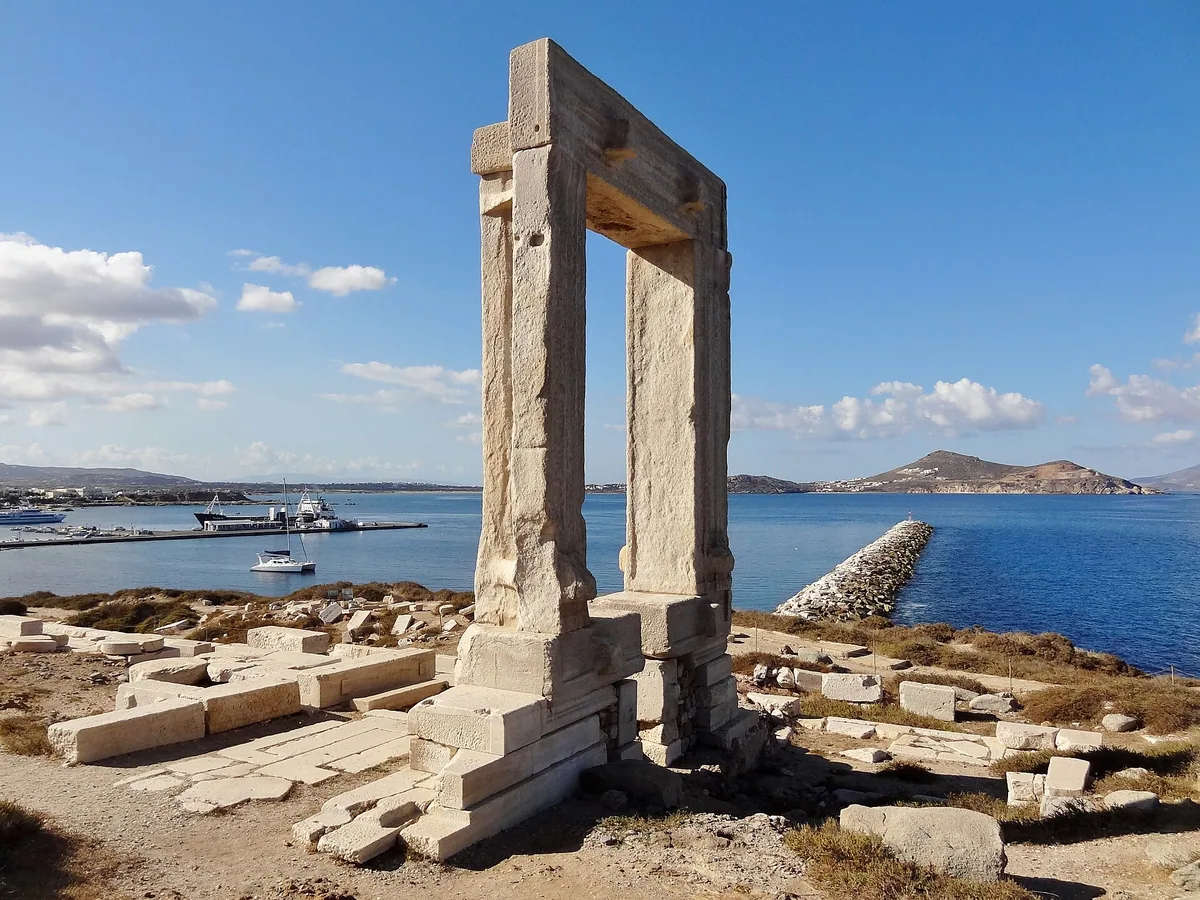
 (c) Olaf Tausch / CC BY 3.0
Greek Island Hopping: A Complete Guide for First-Timers
Plan your dream Greek island hopping adventure with this comprehensive guide for first-timers. Learn about routes, booking, what to expect, and essential tips for a smooth journey.
By Serhat Özçelik, Founder & Editor of Ferry Schedule Hub· Published June 13, 2026· updated July 11, 2026
The hardest part of a first Greek island-hopping trip isn't the ferries — it's deciding which islands to visit and in what order. This is a first-timer's guide to choosing and structuring a Greek island trip: how the groups differ, which islands suit beginners, how many to attempt, and when to go. For how the ferries themselves work (vessel types, tickets, boarding, luggage), see our companion guide, Greek Ferries 101. Get the choices right here and the logistics fall into place.
The Greek island groups at a glance
Greece has thousands of islands, but they cluster into a handful of groups, each with its own character, ferry network and "feel". You'll almost always hop within one group rather than between them, because inter-group crossings are long or don't exist. Here's the shape of the map before you commit to anything.
| Island group | Best known for | Who it suits | Ease for first-timers |
|---|---|---|---|
| Cyclades (Mykonos, Santorini, Paros, Naxos, Ios, Milos) | Whitewashed villages, blue domes, buzzing nightlife and postcard beaches in the central Aegean | Everyone from party-seekers to honeymooners; the classic first trip | Easiest — frequent, fast links from Athens |
| Dodecanese (Rhodes, Kos, Patmos, Symi) | Medieval old towns, crusader castles and long beaches in the south-east Aegean | History and culture lovers who still want beach time | Moderate — good hubs (Rhodes, Kos), longer reach from Athens |
| Sporades (Skiathos, Skopelos, Alonnisos) | Pine-green hills, sheltered coves and Mamma Mia! scenery in the north-west Aegean | Beach and nature lovers wanting somewhere lush and low-key | Moderate — reached via mainland ports, not Athens |
| Ionian (Corfu, Kefalonia, Zakynthos, Lefkada, Paxos) | Venetian towns, lush greenery and turquoise water on the west coast | Nature lovers; those flying into western airports | Best as its own trip — separate from the Aegean |
| Saronic (Aegina, Poros, Hydra, Spetses) | Elegant, car-light boltholes a short hop from Athens | Short breaks and anyone tight on time | Very easy — closest group, calm seas |
| North-East Aegean (Lesvos, Chios, Samos, Ikaria) | Big, authentic islands off the Turkish coast, few tourists | Independent travellers wanting the "real" Greece | Harder — remote, sparser links; save for later |
| Crete | A destination in itself: mountains, gorges, Minoan ruins and two airports | Those who want depth in one place, or a Santorini add-on | Easy to reach, too big to "hop" |
For a deeper look at a single cluster, see our dedicated guides to Cyclades routes, the Dodecanese, and the Ionian and Sporades.
How to choose your islands as a first-timer
The most common first-trip mistake is over-packing the itinerary — five islands in a week, a different bed every night, half your holiday spent watching for the next ferry. A few simple rules keep it enjoyable:
- Stay within one group. Islands in the same cluster are linked by short, frequent sailings. Mixing, say, the Cyclades with the Ionian means backtracking to the mainland — the crossings simply aren't there.
- Balance a "wow" island with a quieter one. Pair a headline island (Santorini's caldera, Mykonos's nightlife) with somewhere gentler and cheaper (Naxos, Paros, Milos). You get the icon and room to breathe.
- Let your flights shape the route. Most first-timers fly into Athens and sail from Piraeus or Rafina — see getting to the islands from Athens. But several islands (Santorini, Mykonos, Rhodes, Corfu, Skiathos) have their own airports, so flying out from your last island saves a long backtrack.
Once you have a shortlist, sanity-check the connections with our guide to ferries between the islands, or plug the islands straight into the trip planner to see what actually links up on your dates.
Which islands are easiest for first-timers — and which to save for later
Not all islands are equally easy to reach. For a first trip, favour the well-connected ones served by several sailings a day, so a single cancellation doesn't strand you.
- Easiest to start with: the central Cyclades — Paros, Naxos, Mykonos, Santorini and Ios — sit on the busiest ferry corridor in Greece, with multiple daily departures from Athens in summer. The Saronic islands (Hydra, Poros, Aegina) are even simpler for a long weekend, being barely an hour or two from Piraeus.
- Fine with a little planning: Rhodes and Kos in the Dodecanese, and Skiathos and Skopelos in the Sporades — solid hubs, but with fewer links back to Athens (the Sporades are reached via mainland ports such as Volos or Agios Konstantinos, or by flying into Skiathos).
- Save for a second trip: the remote North-East Aegean (Ikaria, Chios, Lesvos) and the far-flung smaller Cyclades and Dodecanese, where sailings can drop to a few a week. Wonderful, but unforgiving if a boat is cancelled and your flight home is close.
How long to spend and how many islands
A reliable rule of thumb is roughly one island per three days, with a minimum of two nights on each. One-night stops sound efficient but you lose the arrival afternoon to finding your room and the departure morning to the port — you barely see the place. Realistic first-trip shapes:
- 7 days: 2 islands (e.g. a lively one plus a calm one), or a comfortable 3 if they're close neighbours.
- 10 days: 3 islands at a relaxed pace — the sweet spot for a first trip.
- 14 days: 4 islands, still leaving time to do nothing on a beach.
Always keep the last night near your exit point — back on the island with your departure flight, or one easy hop from Athens — so a weather cancellation can't cost you the journey home. For concrete, day-by-day routes built on these principles, see our 7, 10 and 14-day itineraries.
When to go
The season shapes the trip as much as the islands do. Ferries run most frequently from roughly late May to late September; outside that, timetables thin out sharply.
- July–August: hottest, busiest and priciest, with peak sailings but also crowds and the meltemi — a strong northerly Aegean wind that can rough up crossings and, occasionally, cause high-speed cancellations. Book accommodation and popular ferries well ahead.
- Shoulder season (May–June, September–early October): the first-timer's sweet spot — warm seas, thinner crowds, lower prices and still-frequent ferries. September in particular keeps summer warmth with far less pressure on beds and boats.
- Winter: possible but sparse — many seasonal routes stop and island businesses close. Best left to a later trip.
Your first trip, step by step
Pulling it together, here's the planning sequence that keeps a first trip simple and stress-free:
- 1. Pick one island group that matches your vibe and your arrival airport — for most first-timers, that's the Cyclades.
- 2. Choose 2–3 islands within it, pairing a "wow" island with a quieter neighbour, and check they're genuinely well connected.
- 3. Book the long legs early — the Athens–islands crossings and any high-speed hops — especially in July and August. Shorter inter-island links can often wait.
- 4. Leave a buffer before your flight. Spend the final night on an island with an airport or one short, reliable hop from Athens; never plan to make your flight home on the very same day as a long crossing.
Do those four things and the rest is detail. Our guide to planning a multi-stop ferry trip covers chaining several bookings, and the trip planner turns your shortlist into a workable schedule. Kalo taxidi — have a good trip.
Frequently asked questions
Which Greek islands are best for first-timers?
The central Cyclades — Paros, Naxos, Mykonos, Santorini and Ios — are the easiest and most rewarding first choice. They sit on Greece's busiest ferry corridor, with several daily sailings from Athens in summer, so connections are frequent and reliable. For a short break, the Saronic islands near Athens (Hydra, Poros, Aegina) are simpler still.
How many islands should I visit in a week?
Two is ideal for a first week, or three if they're close neighbours in the same group. A good rule is one island per three days, with at least two nights each. Cramming in four or five means most of your time is spent packing, queuing at ports and waiting for ferries rather than enjoying the islands.
Is it better to fly into Athens or an island?
Fly into Athens for the widest choice, as almost every route starts from Piraeus or Rafina. But because islands such as Santorini, Mykonos, Rhodes and Corfu have their own airports, the smartest first-timer move is often to fly into Athens and fly home from your last island — an "open-jaw" ticket that avoids a long backtrack.
Do I need to plan my whole route before I go?
Book the long, popular legs in advance — the Athens–islands crossings and any high-speed hops, especially in July and August — but you can leave shorter inter-island links looser. Decide your islands and the order first; the shorter hops between neighbours usually have enough sailings to sort out as you go in shoulder season.
Which island group is easiest to hop around?
The Cyclades, thanks to short distances and frequent in-season ferries between the main islands. The Saronic group is even easier for a quick getaway but covers a smaller area. Whichever you pick, stay within one group — hopping between groups usually means backtracking to the mainland, as direct crossings rarely exist.
When is the best time for a first Greek island-hopping trip?
The shoulder months — May to June and September to early October — are ideal: warm seas, frequent ferries, lower prices and thinner crowds. July and August bring the fullest timetables but also peak heat, high prices and the meltemi wind, which can occasionally disrupt fast-ferry crossings. Winter sailings are sparse and best avoided on a first trip.
Keep reading