 (c) Judo Chop! / CC BY 2.0
Balearic Islands by Ferry: Mallorca, Ibiza & Formentera
Discover how to island-hop the Balearics by ferry. This guide covers routes, operators, tips for Mallorca, Ibiza, and Formentera, and how to plan your perfect trip.
By Serhat Özçelik, Founder & Editor of Ferry Schedule Hub· Published June 13, 2026· updated July 11, 2026
Exploring the Balearic Islands by Ferry
The Balearic Islands, an enchanting archipelago off the eastern coast of Spain, are a dream destination for travelers seeking sun, sea, and lively culture. While each island boasts its unique charm, traveling between them by ferry offers an authentic and flexible way to experience the best of Mallorca, Ibiza, and Formentera. This guide provides key information for planning your Balearic island-hopping adventure.
Why Choose Ferry Travel in the Balearics?
Ferry travel is the most practical and enjoyable way to navigate the Balearic Islands. It allows you to bring your vehicle, avoid airport hassle, and enjoy scenic journeys across the Mediterranean. It's also often more cost-effective for groups or those with luggage, and provides unparalleled flexibility for spontaneous itinerary changes. You can check live timetables and routes for all Balearic connections on our website.
Major Ferry Routes and Operators
The Balearic Islands are well-connected by a network of ferry routes, primarily linking the main islands to mainland Spain and to each other. The three main operators serving these routes are Balearia, Trasmed (the Trasmediterranea brand used for Balearic sailings), and GNV (Grandi Navi Veloci), which between them run the core crossings from Barcelona, Valencia and Denia. Corsica Ferries is a more seasonal option, chiefly operating summer sailings from Toulon in France to Mallorca and Menorca rather than the core mainland-Spain routes.
Mainland Spain to Balearics
- Barcelona to Mallorca (Palma): A popular route, typically overnight or day crossings.
- Barcelona to Ibiza: Direct connections available.
- Barcelona to Menorca (Mahón/Ciutadella): Regular services to both ports.
- Valencia to Mallorca (Palma): Direct and frequent sailings.
- Valencia to Ibiza: Well-served route.
- Valencia to Menorca (Mahón): Connections are available.
- Denia to Ibiza: Offers faster connections due to its closer proximity.
- Denia to Formentera: Direct fast ferry services are available.
Inter-Island Connections
Connecting the islands themselves is straightforward and key for island hopping. The most common inter-island routes include:
- Mallorca (Palma) to Ibiza: Regular services, often taking a few hours.
- Mallorca (Palma) to Menorca (Ciutadella/Mahón): Frequent connections, especially to Ciutadella which is closer.
- Ibiza to Formentera: This is a very frequent and short route, key for visiting Formentera as it has no airport. Multiple operators run services throughout the day.
Always consult our site for the most up-to-date schedules and to compare prices across different operators.
Mallorca: The Diverse Gem
Mallorca, the largest of the Balearic Islands, has a captivating mix of striking beaches, dramatic mountains, and lively culture. Its capital, Palma, is a busy port city with a magnificent cathedral and appealing old town.
Getting to and From Mallorca
Most ferries arrive at and depart from Palma de Mallorca. Connections from mainland Spain (Barcelona, Valencia) and inter-island routes (Ibiza, Menorca) converge here. The port of Alcúdia, on the north of Mallorca, also serves routes to Menorca (Ciutadella).
Exploring Mallorca
From Palma, you can easily explore the island's diverse landscapes. Head to the Serra de Tramuntana mountains for hiking and pretty villages like Valldemossa and Deià, or relax on the beautiful beaches of Es Trenc or Cala d'Or. Renting a car is highly recommended for exploring Mallorca's lesser-known spots, which is convenient when traveling by ferry.
Ibiza: Beyond the Parties
While famous for its legendary nightlife, Ibiza offers much more, including UNESCO World Heritage sites, calm beaches, and a bohemian atmosphere. Its capital, Eivissa (Ibiza Town), boasts a beautiful fortified old town, Dalt Vila.
Getting to and From Ibiza
Ferries primarily arrive at Eivissa (Ibiza Town). Direct connections are available from Barcelona, Valencia, and Denia on the mainland, as well as from Palma de Mallorca. Ibiza is also the main route to Formentera.
Exploring Ibiza
Beyond the famous clubs, discover the quiet coves of Cala Llonga or Cala Vadella, explore the hippie markets of Las Dalias or Punta Arabí, or spend time in the history of Dalt Vila. Consider renting a scooter or car to explore the island's diverse landscapes at your own pace.
Formentera: The Caribbean of the Mediterranean
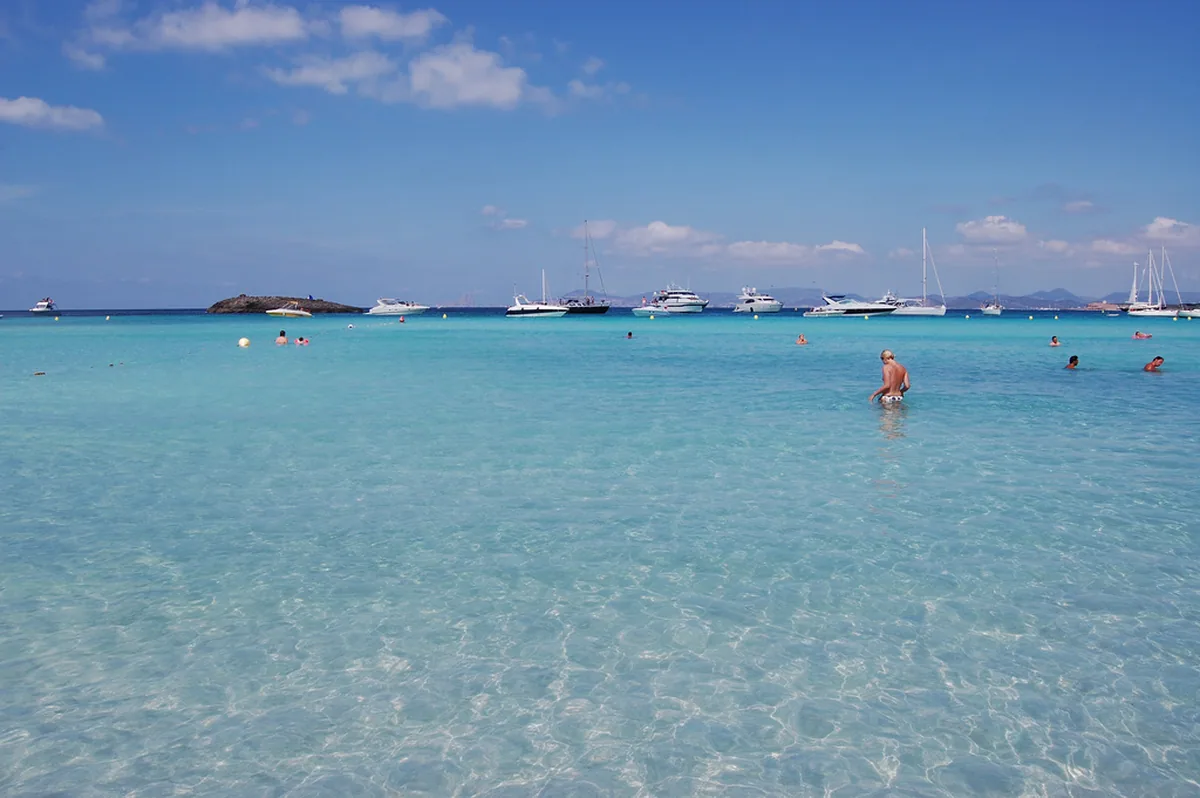
Formentera, the smallest inhabited Balearic island, is renowned for its clean turquoise waters and white sand beaches, often compared to the Caribbean. It's a calm paradise, perfect for relaxation and enjoying nature.
Getting to Formentera
Formentera has no airport, so ferry is the only way to reach it. All ferries to Formentera depart from Ibiza. The journey is short, typically 25-30 minutes with fast ferries, and services are very frequent throughout the day from Ibiza Town. Some direct services from Denia also connect to Formentera.
Exploring Formentera
Upon arrival at La Savina port, you can rent bicycles, scooters, or cars to explore the island. Popular spots include the well-known lighthouse of Cap de Barbaria, the striking beaches of Ses Illetes and Cala Saona, and the appealing village of Sant Francesc Xavier. Formentera is ideal for cycling, with many dedicated bike paths.
Booking Your Balearic Ferry Tickets
It is highly advisable to book your ferry tickets in advance, especially during peak season (June to September) or if you plan to travel with a vehicle. This secures your spot and can often result in better fares. Flexibility with travel dates can also lead to savings.
- Online Booking: Our website allows you to compare routes, operators, and prices, and book your tickets conveniently online.
- Ticket Types: Options range from standard passenger tickets to vehicle transport (cars, motorbikes, campers) and various cabin types for overnight journeys.
- Checking In: Arrive at the port well in advance, especially if traveling with a vehicle, as check-in procedures can take time. Always confirm the recommended arrival time with your specific operator.
Practical Tips for Ferry Travel in the Balearics
- Travel Season: The high season (July-August) sees the most frequent services but also higher prices and larger crowds. Shoulder seasons (May-June, September-October) offer pleasant weather, fewer crowds, and often better deals.
- Vehicle Transport: If bringing a car, ensure you book well in advance, especially for popular routes and during summer. Confirm vehicle dimensions and any specific requirements with the ferry operator.
- Luggage: Ferry travel is generally more lenient with luggage than air travel, but it's always wise to pack efficiently.
- Onboard Facilities: Most larger ferries offer a range of facilities including cafes, restaurants, shops, and seating areas. Overnight ferries often have cabins available for booking.
- Sea Sickness: If prone to motion sickness, consider taking preventative medication before your journey, especially on longer crossings or if the sea is rough.
- Accommodation: Book your accommodation on each island in advance, particularly during peak season, to avoid disappointment.
- Local Transport: While ferries connect the islands, consider local buses, taxis, or renting a vehicle to explore each island effectively.
Setting off on a Balearic island-hopping adventure by ferry promises memorable memories. With proper planning and this guide, you're set for a smooth and enjoyable journey across these Mediterranean jewels. Remember to always check our site for the most current ferry schedules and booking options.
Frequently asked questions
Which ferry companies operate in the Balearic Islands?
The three main companies on routes to and between the Balearic Islands from mainland Spain are Balearia, Trasmed (the Trasmediterranea brand) and GNV (Grandi Navi Veloci). Corsica Ferries also runs seasonal summer sailings from Toulon in France to Mallorca and Menorca. Together they offer a range of mainland and inter-island connections.
How long does the ferry take from Ibiza to Formentera?
The ferry journey from Ibiza to Formentera is very short, typically taking between 25 to 30 minutes with fast ferry services. It's a frequent route throughout the day.
Can I bring my car on the ferry to the Balearic Islands?
Yes, you can bring your car on most ferries to the Balearic Islands from mainland Spain and on some inter-island routes. It's highly recommended to book your vehicle space well in advance, especially during peak season, as capacity can be limited.
Is it better to fly or take a ferry to the Balearic Islands?
The choice depends on your priorities. Ferries are ideal if you want to bring a vehicle, have more luggage, prefer a scenic journey, or are island hopping between the Balearics. Flights are faster for direct travel to a single island from distant locations. For inter-island travel, ferries are usually more practical and often more economical.
What is the best time of year to visit the Balearic Islands by ferry?
The shoulder seasons (May-June and September-October) are often considered the best times. The weather is pleasant, the sea is warm enough for swimming, and there are fewer crowds compared to the peak summer months of July and August. Ferry services are still frequent during these periods.
Do I need to book Balearic ferry tickets in advance?
Yes, booking your ferry tickets in advance is strongly recommended, especially if you are traveling during the high season (July-August), on popular routes, or if you plan to bring a vehicle. Advance booking can also secure better prices and ensure availability.
Keep reading