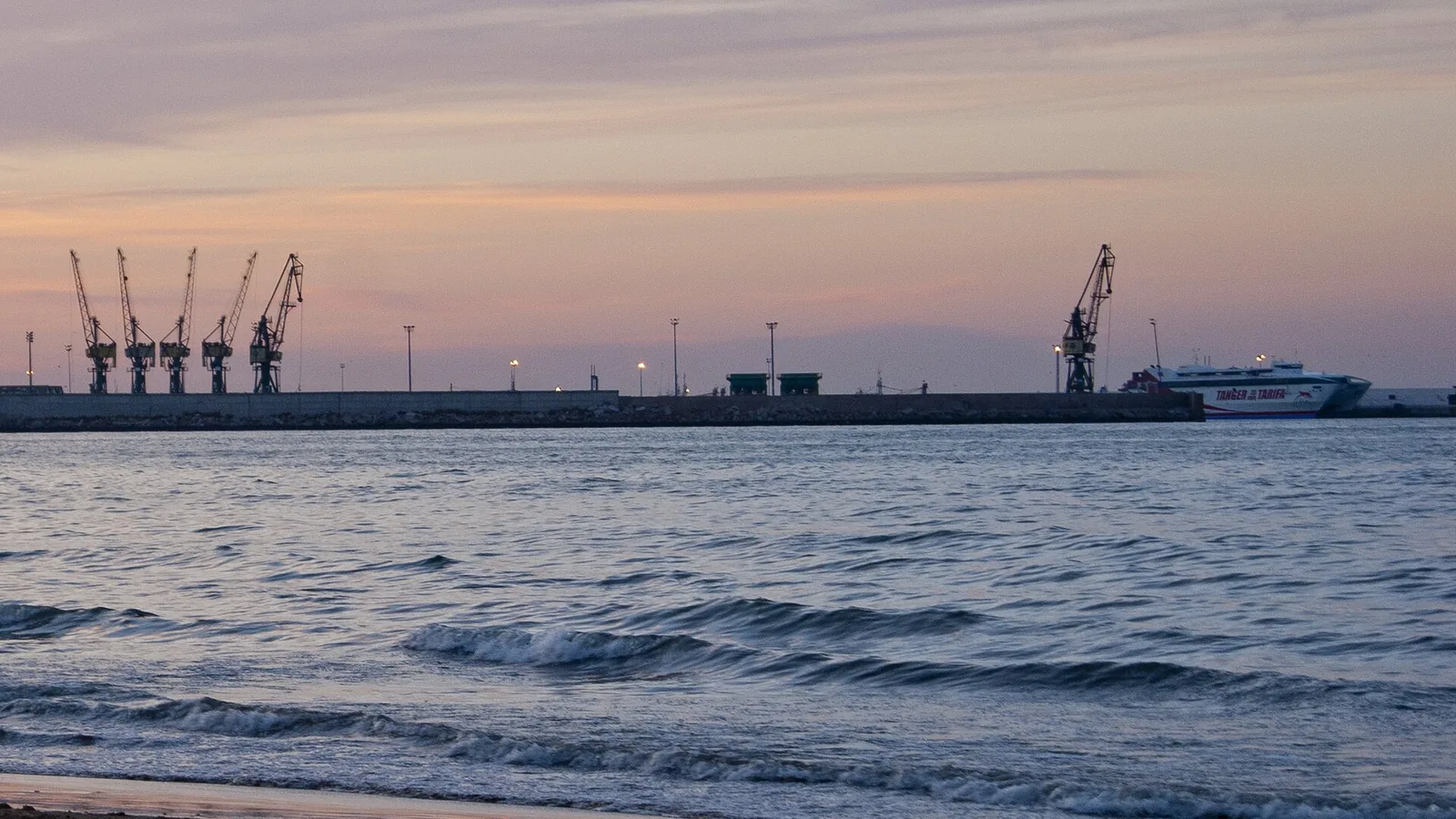
 (c) José Sáez / CC BY-SA 3.0
Ferries from Spain to Morocco: Your Complete Guide
Explore daily ferry crossings from Spain to Morocco. Discover routes like Algeciras to Tanger Med, Tarifa to Tangier Ville, and eastern connections.
By Serhat Özçelik, Founder & Editor of Ferry Schedule Hub· Published July 6, 2026· updated July 11, 2026
Bridging Continents: Ferries from Spain to Morocco
The journey by ferry from Spain to Morocco represents one of the most dynamic and historically significant short-sea corridors in the world, linking Europe and Africa across the Strait of Gibraltar. This important maritime connection facilitates daily, year-round travel for millions of passengers, vehicles, and goods. Whether you're seeking a quick passenger crossing to the heart of Tangier, transporting a vehicle for an extended Moroccan adventure, or exploring the Spanish enclaves on the African continent, an extensive network of ferry services is available.
This comprehensive guide delves into the various routes, key ports, leading operators, and key travel information for planning your ferry trip from Spain to Morocco. From the busy ports of Andalusia to the lively shores of North Africa, understanding these connections is key to a smooth and enjoyable journey. The routes are broadly divided into two main categories: the rapid crossings across the Strait of Gibraltar and the longer, often overnight, journeys connecting eastern Spanish ports with Morocco and its enclaves.
Key Routes Across the Strait of Gibraltar
The Strait of Gibraltar is the narrowest point between Spain and Morocco, offering the quickest and most frequent ferry services. These routes are key for both tourism and the significant flow of people and goods between the two continents.
Tarifa to Tangier Ville: The Fastest City-Centre Link
For those prioritising speed and convenience, the route from Tarifa to Tangier Ville is often the preferred choice. This fast crossing takes approximately 35-60 minutes and drops you directly in Tangier city centre, making it ideal for day trips or immediate access to the city's lively medina and cultural attractions. It is now served mainly by Africa Morocco Link (AML) and Baleària, which took over the route from FRS in 2025. Although it is popular with foot passengers, the high-speed ferries here also carry cars and motorbikes, so you can bring a vehicle straight into the heart of Tangier. Tarifa, a appealing town known for its wind sports, serves as the main departure point for this rapid connection.
Algeciras to Tanger Med: The Main Car-Ferry Corridor
The route connecting Algeciras, one of Europe's largest ports, with Tanger Med is the busiest and most important for vehicle transport. This crossing typically takes between 1 to 1.5 hours. Tanger Med is a large, modern port located about 40 km east of Tangier city, designed to handle significant cargo and passenger traffic, especially those travelling with cars, campervans, or trucks. If you're planning to take your vehicle to Morocco, this is likely the route you'll use. You can find more detailed information on this specific journey by visiting our guide on Algeciras to Tanger Med.
Algeciras to Ceuta: Accessing a Spanish Enclave
Another significant route from Algeciras is to Ceuta, a Spanish autonomous city located on the North African coast. This crossing takes approximately 1 hour. While Ceuta itself is Spanish territory, it serves as a route to Morocco, as you can cross a land border into Morocco from there. This route is popular for those wishing to explore the unique blend of Spanish and North African culture within Ceuta before continuing their journey into mainland Morocco. For more details on this specific connection, refer to our dedicated page on Algeciras to Ceuta.
Exploring Eastern Spain to Morocco Ferry Connections
Beyond the Strait of Gibraltar, several other ferry routes connect eastern Spanish ports with Morocco and its other Spanish enclaves. These journeys are generally longer, often taking several hours or even operating overnight, providing a more relaxed travel experience.
Connections from Almeria
The port of Almeria in southeastern Spain offers important links to North Africa. From Almeria, you can travel to the Spanish enclave of Melilla, a journey detailed on our Almeria to Melilla route page. Almeria also provides direct ferry services to Nador in Morocco, a busy port city serving the northeastern region of the country. Information on this route can be found at Almeria to Nador.
Routes from Malaga and Motril
Further along the Spanish coast, the port of Malaga offers connections to Melilla, providing another option for reaching this Spanish enclave. Details for this crossing are available on our Malaga to Melilla guide. The port of Motril, located between Malaga and Almeria, also serves as a departure point for ferries to Nador in Morocco. For more information on this route, visit Motril to Nador. Additionally, Motril offers connections to Al Hoceima, a city on Morocco's northern coast, providing access to the Rif region.
These eastern routes are particularly convenient for travellers starting their journey further east in Spain or for those looking for a more direct link to specific regions of Morocco, bypassing the busier Strait of Gibraltar crossings. They often feature larger vessels with more onboard amenities, suitable for longer voyages.
Leading Ferry Operators on the Spain-Morocco Corridor
The Spain-Morocco ferry corridor is served by several reputable operators, each offering a range of services and vessel types. These companies ensure frequent and reliable connections across the Strait and beyond.
- Baleària: A prominent Spanish ferry company, Baleària operates on many routes, including high-speed services across the Strait of Gibraltar and conventional ferries on longer eastern routes. They are known for their modern fleet and commitment to passenger comfort.
- Trasmediterranea (part of Naviera Armas): As one of Spain's oldest and most established ferry operators, Trasmediterranea — sold by Acciona to Naviera Armas in 2018 and, since 2025-26, being absorbed by Baleària as part of the Armas Trasmediterranea group — provides extensive coverage, particularly on the longer routes from eastern Spain to Morocco and the enclaves. They offer a comprehensive range of services, including car transport and cabin accommodation for overnight journeys.
- DFDS: The major European shipping and logistics group took over key Strait of Gibraltar assets in 2025 and now runs the busy Algeciras-Tanger Med and Algeciras-Ceuta car-ferry crossings. FRS — which for years ran the fast Tarifa-Tangier Ville service — was replaced on that route by Baleària in 2025.
- Africa Morocco Link (AML): AML is a significant operator on the Strait, serving the Algeciras-Tanger Med route and, alongside Baleària, the fast Tarifa-Tangier Ville crossing, carrying both passengers and vehicles.
These operators collectively ensure a diverse range of options, from express passenger catamarans to large car ferries with extensive onboard facilities, catering to all types of travellers.
Key Travel Information and Booking Tips
Preparing for your ferry journey from Spain to Morocco involves a few key considerations to ensure a smooth and hassle-free experience.
Passport and Documentation
All travellers, regardless of nationality, will need a valid passport to travel from Spain to Morocco. Morocco is not part of the Schengen Area, so standard international travel rules apply. Ensure your passport has sufficient validity (typically at least six months beyond your intended departure date) and any necessary visas for your nationality. While on the ferry, you will typically receive a disembarkation card to fill out, which will be stamped upon arrival in Morocco.
Travelling with a Vehicle
Taking a car or campervan on a ferry from Spain to Morocco is very common and a popular way to explore the country at your own pace. The main car-ferry routes, such as Algeciras to Tanger Med, are well-equipped to handle all types of vehicles. When booking, you will need to provide your vehicle's make, model, and dimensions. It's also advisable to check your insurance coverage for international travel. For a detailed guide on the process, refer to our comprehensive resource on how to take a car on a ferry.
Booking Ahead, Especially in Summer
The summer months, particularly July and August, are extremely busy on the Spain-Morocco ferry routes. This period coincides with the "Operacion Paso del Estrecho" (Operation Crossing the Strait), a massive annual migration where Moroccan expatriates living in Europe return home for holidays. During this peak season, vehicle spaces, in particular, can sell out well in advance. It is strongly recommended to book your tickets, especially for vehicles, as far ahead as possible to secure your desired crossing and avoid disappointment. Even outside of summer, booking in advance is generally a good practice, especially for popular routes and during weekends or public holidays.
General Advice for Ferries from Spain
When planning your journey, consider the port of departure that best suits your travel plans within Spain. Larger ports like Algeciras offer more frequent crossings and better facilities, while smaller ports like Tarifa provide quicker access to specific destinations. Always arrive at the port well in advance of your scheduled departure, especially if travelling with a vehicle, to allow ample time for check-in and security procedures. For general information on ferry travel within the country, you can consult our guide to ferries from Spain.
Planning Your Journey: What to Expect
A ferry journey from Spain to Morocco offers more than just transportation; it's an integral part of the travel experience, providing a unique transition between two distinct cultures and continents.
Onboard Facilities
Most ferries operating on these routes, especially the larger vessels on longer crossings, offer a range of onboard facilities. These typically include cafes, restaurants, duty-free shops, comfortable seating areas, and sometimes even cabins for overnight journeys. High-speed ferries on shorter routes might offer more basic amenities but focus on efficiency and speed. Wi-Fi availability can vary, so it's wise to plan for potential periods without internet access.
Arrival Procedures and Onward Travel
Upon arrival in Morocco, you will disembark and proceed through immigration and customs. If you are travelling with a vehicle, there will be separate lanes for vehicle inspection. The process is generally straightforward, but patience is advised, especially during peak travel times. From ports like Tangier Ville, you'll find taxis and public transport readily available to take you into the city. From Tanger Med, which is further from the city, taxis and shuttle services are usually available to connect you to Tangier or other destinations. If arriving in Ceuta or Melilla, you will be in Spanish territory, and you can then proceed to cross the land border into Morocco if that is your ultimate destination.
Setting off on a ferry journey from Spain to Morocco is an exciting way to begin your North African adventure. With a clear understanding of the routes, operators, and travel requirements, you can look forward to a memorable crossing across the historic Strait of Gibraltar and beyond.
Frequently asked questions
How long do ferries from Spain to Morocco typically take?
Ferry crossing times vary significantly by route. The fastest passenger crossings, such as Tarifa to Tangier Ville, take approximately 35-60 minutes. Main car-ferry routes like Algeciras to Tanger Med usually last 1 to 1.5 hours. Longer routes from eastern Spain (e.g., Almeria, Malaga, Motril) to destinations like Melilla, Nador, or Al Hoceima can take several hours, often operating overnight.
Which are the main ports for car ferries from Spain to Morocco?
The primary port for car ferries from Spain to Morocco is Algeciras, which connects to Tanger Med, a large port about 40 km east of Tangier. Other Spanish ports like Almeria, Malaga, and Motril also offer car ferry services to destinations such as Melilla, Nador, and Al Hoceima. These routes are popular for travellers bringing their vehicles to Morocco.
Do I need a passport to travel by ferry from Spain to Morocco?
Yes, a valid passport is essential for all travellers from Spain to Morocco. Morocco is not part of the Schengen Area, so standard international border crossing procedures apply. Ensure your passport has adequate validity, typically at least six months beyond your planned return date, and check for any visa requirements for your nationality before travel.
What are the main ferry operators on the Spain-Morocco routes?
Several leading operators serve the Spain-Morocco corridor. These include Baleària, known for its modern fleet and high-speed services (and which now also runs the Tarifa-Tangier Ville route); Trasmediterranea, a long-established operator that is part of Naviera Armas (with Baleària absorbing much of the Armas Trasmediterranea network from 2025-26); DFDS, which operates the Algeciras-Tanger Med and Algeciras-Ceuta crossings; and Africa Morocco Link (AML), serving Algeciras-Tanger Med and, with Baleària, the Tarifa-Tangier Ville route. These companies carry both passengers and vehicles.
Is it necessary to book ferry tickets in advance, especially during summer?
Yes, booking ferry tickets in advance is highly recommended, particularly during the summer months (July and August). This period experiences extremely high demand due to the 'Operacion Paso del Estrecho,' when many Moroccan expatriates return home. Vehicle spaces, especially, can sell out quickly. Booking ahead ensures availability and often secures better fares, making your travel planning much smoother.
Keep reading