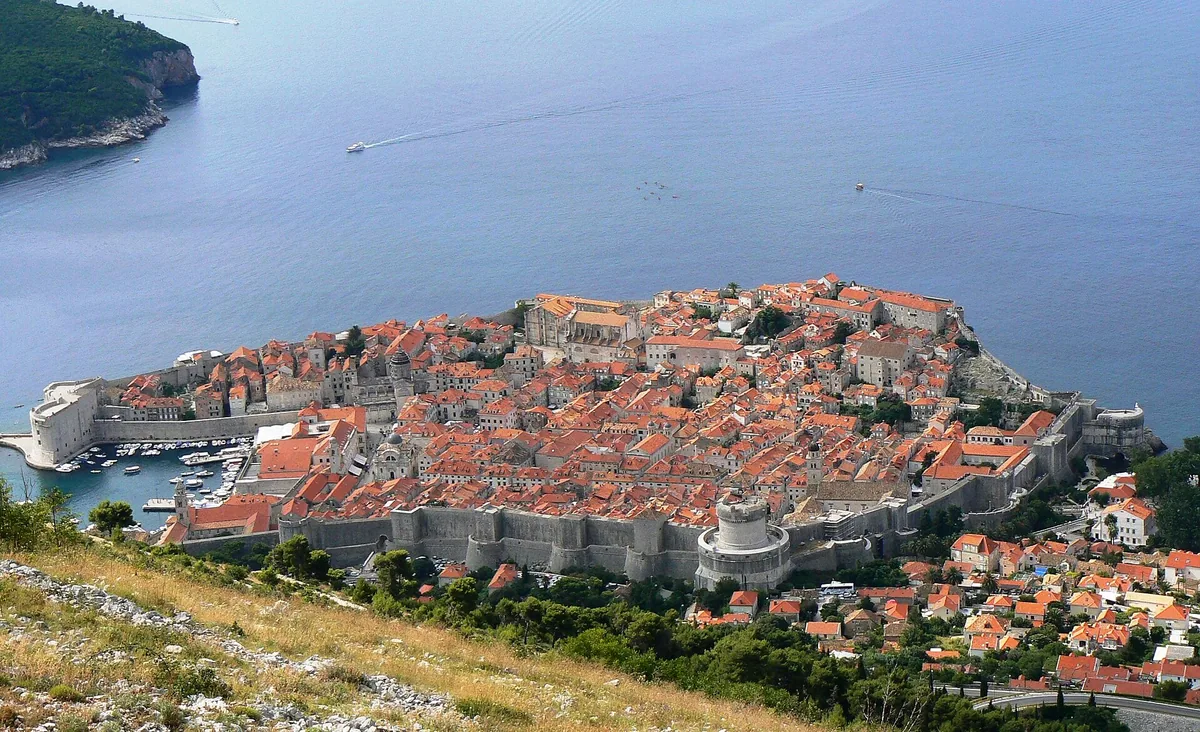
 (c) Fajardoalacant / CC BY-SA 3.0
Island Hopping the Dalmatian Coast of Croatia
Discover the magic of Croatia's Dalmatian Coast by ferry. This guide covers routes, operators, and tips for an unforgettable island-hopping adventure.
By Serhat Özçelik, Founder & Editor of Ferry Schedule Hub· Published June 13, 2026· updated June 18, 2026
Planning Your Dalmatian Coast Island Hopping Adventure
Croatia's Dalmatian Coast is a mosaic of ancient cities, clean beaches, and sun-drenched islands, all easily accessible by a comprehensive ferry network. Island hopping here is not just a mode of transport; it's an integral part of the experience, offering dramatic views and smooth transitions between diverse destinations. Whether you're seeking lively nightlife, secluded coves, or historical exploration, the Croatian islands deliver, and the ferries are your gateway.
Understanding the ferry system is key to a smooth trip. Croatia has two main types of ferry services: car ferries (trajekt) and passenger-only catamarans (katamaran or putnička linija). Car ferries are slower but key if you plan to bring a vehicle, while catamarans are faster and connect many popular islands with mainland cities like Split and Dubrovnik. Always check the specific type of service for your desired route. Remember that schedules change seasonally, with significantly more frequent departures and routes during the peak summer months (June to September).
Key Ferry Hubs: Split and Dubrovnik
Split is undoubtedly the primary hub for island hopping in the central Dalmatian archipelago. Its port is busy, with numerous connections to popular islands such as Brač, Hvar, Vis, and Korčula. From Split, you can easily reach Supetar on Brač (car ferry), Stari Grad on Hvar (car ferry), Hvar Town (catamaran), Vis (car ferry), and Vela Luka on Korčula (car ferry), among others. Most major operators have offices directly at the Split ferry terminal, making it convenient for last-minute tickets, though booking in advance, especially for car ferries in high season, is highly recommended.
Dubrovnik, while famous for its striking Old Town, serves as a southern hub, primarily connecting to islands like Korčula and Mljet, and further south to the Elaphiti Islands (Koločep, Lopud, Šipan). Direct catamaran services link Dubrovnik with Korčula Town and Sobra/Pomena on Mljet. While less extensive than Split's network, Dubrovnik's connections are important for exploring the southern reaches of the coast. For a broader island-hopping experience starting from Dubrovnik, you might consider taking a bus or ferry north to Split or vice versa to access more islands.
Major Ferry Operators in Croatia
Several companies operate the ferry routes along the Dalmatian Coast, each with their own fleet and network. The most prominent and reliable include:
- Jadrolinija: The national ferry company, Jadrolinija, is the largest operator, running the vast majority of car ferry routes and many catamaran services. Their distinctive white and blue ferries are ubiquitous. They connect mainland ports like Split, Dubrovnik, Zadar, and Rijeka with numerous islands.
- Kapetan Luka (Krilo): Known for its fast passenger-only catamarans, Kapetan Luka operates popular routes connecting Split to Hvar, Korčula, Mljet, and Dubrovnik, often providing a quicker alternative to Jadrolinija's car ferries for foot passengers.
- TP Line: Another significant catamaran operator, TP Line offers similar high-speed passenger services, often on routes parallel to Kapetan Luka, connecting key destinations along the coast.
It's always advisable to check the specific operator for your desired route. You can easily find live timetables and compare routes for all these operators on this site.
Popular Island Hopping Routes and Itineraries
Central Dalmatian Islands (from Split)
This is arguably the most popular region for island hopping. A classic itinerary might involve:
- Brač: Easily accessible from Split (Supetar) by car ferry. Famous for Zlatni Rat beach near Bol. From Bol, you can take a catamaran to Hvar.
- Hvar: A glamorous island known for its lavender fields, lively Hvar Town, and beautiful Pakleni Islands. Connected by catamaran from Split, Bol (Brač), and Korčula, and by car ferry (Stari Grad) from Split.
- Korčula: Often called 'Little Dubrovnik' for its fortified old town. Connected by catamaran from Hvar, Split, and Dubrovnik, and by car ferry (Vela Luka) from Split.
- Vis: A more laid-back, authentic island, famous for the Blue Cave (Modra špilja) on nearby Biševo island. Connected by car ferry and catamaran from Split.
A typical 7-day itinerary could be Split (1 night) > Hvar (2-3 nights) > Korčula (2 nights) > Split (1 night before departure or onward travel).
Southern Dalmatian Islands (from Dubrovnik)
For those starting or ending in Dubrovnik:
- Mljet: A green oasis, largely a national park. Take a catamaran from Dubrovnik to Sobra or Pomena. Perfect for nature lovers.
- Korčula: As mentioned, accessible from Dubrovnik by catamaran.
- Elaphiti Islands: Koločep, Lopud, and Šipan are appealing, car-free islands easily reached by local Jadrolinija ferries from Dubrovnik, ideal for day trips or a quiet escape.
Practical Tips for Ferry Travel in Croatia
- Book in Advance for High Season: Especially if traveling with a car or on popular catamaran routes during July and August, booking tickets online well in advance is key. Foot passenger tickets for catamarans can also sell out. For car ferries, arrive at least an hour before departure.
- Check Seasonal Schedules: Ferry timetables vary significantly between peak season (roughly June-September) and off-season. Always confirm the current schedule for your travel dates. You can check live timetables and routes for all operators on this site.
- Port Locations: Be aware that some islands have multiple ferry ports. For example, Hvar has Hvar Town (catamaran) and Stari Grad (car ferry). Ensure you know which port you need.
- Weather Delays: Strong winds (Bura or Jugo) can occasionally cause delays or cancellations, particularly for catamarans. Have a flexible plan, especially if you have a flight to catch.
- Foot Passenger vs. Car Ferry: Decide whether you need a car on the islands. Many popular islands have good local bus services or are small enough to explore on foot/bike. Taking a car adds complexity and cost to ferry travel.
- Luggage: Most ferries have ample space for luggage, but be prepared to carry your own bags on and off the vessel.
- Food and Drink: Larger car ferries often have cafes or snack bars on board. Catamarans usually have limited or no services, so bring your own water and snacks for shorter journeys.
Beyond the Main Routes: Exploring Smaller Islands
While the major islands attract the most attention, Croatia's coast is dotted with numerous smaller, less-visited islands that offer a glimpse into traditional island life. Islands like Lastovo, Šolta, and Žirje are connected by local ferry lines, often less frequent but incredibly rewarding for those seeking tranquility away from the crowds. These islands typically require more careful planning due to fewer connections but promise untouched nature and authentic experiences. Always consult up-to-date timetables for these routes on this site.
Ferry Travel with a Vehicle
If you plan to bring a car, you will be limited to car ferry (trajekt) routes. Booking your vehicle ticket far in advance, especially during peak season, is absolutely key. Be aware that not all islands have car ferry access to their most popular towns; for instance, Hvar Town does not have a car ferry port, you'll arrive at Stari Grad and need to drive to Hvar Town. Parking on islands, especially in popular towns, can also be challenging and expensive. Carefully weigh the pros and cons of bringing a car versus relying on local transport and taxis.
Conclusion: An Memorable Journey Awaits
Island hopping the Dalmatian Coast by ferry is an experience that combines striking scenery, rich history, and lively culture. With a little planning and an understanding of the ferry system, you can craft an memorable journey through one of Europe's most beautiful coastal regions. Remember to utilize the resources available on this site to check live timetables, compare routes, and book your tickets, ensuring a smooth and enjoyable adventure.
On this page
- Planning Your Dalmatian Coast Island Hopping Adventure
- Key Ferry Hubs: Split and Dubrovnik
- Major Ferry Operators in Croatia
- Popular Island Hopping Routes and Itineraries
- Practical Tips for Ferry Travel in Croatia
- Beyond the Main Routes: Exploring Smaller Islands
- Ferry Travel with a Vehicle
- Conclusion: An Memorable Journey Awaits
Frequently asked questions
Do I need to book Croatian ferries in advance?
Yes, especially during the peak summer months (July and August), it is highly recommended to book ferry tickets in advance, particularly for car ferries and popular catamaran routes, as they can sell out quickly.
What's the difference between a car ferry and a catamaran in Croatia?
Car ferries (trajekt) transport both vehicles and foot passengers, are slower, and generally larger. Catamarans (katamaran) are faster, passenger-only vessels, typically connecting popular island towns with mainland cities.
Can I island hop from Split to Dubrovnik directly by ferry?
While there isn't a direct car ferry, several catamaran lines (e.g., Kapetan Luka, TP Line) offer seasonal routes connecting Split, Hvar, Korčula, Mljet, and Dubrovnik, allowing for a scenic island-hopping journey between the two cities.
Are there ferries to all Croatian islands?
Most inhabited Croatian islands are connected by ferry, but the frequency and type of service (car ferry or passenger-only) vary greatly. Smaller or less-visited islands may have fewer connections, often only local lines.
What happens if my ferry is cancelled due to bad weather?
Ferry cancellations due to strong winds (Bura or Jugo) can occur, especially for catamarans. Operators usually offer refunds or rebooking on the next available service. It's wise to have a flexible itinerary and check for updates.
Is it better to bring a car or rely on public transport for island hopping?
For most island hopping, relying on local buses, taxis, or renting scooters/bikes is often more convenient and cost-effective. Bringing a car adds ferry costs, requires advance booking, and can lead to parking challenges on popular islands. Only bring a car if you plan extensive exploration of larger islands.
Keep reading