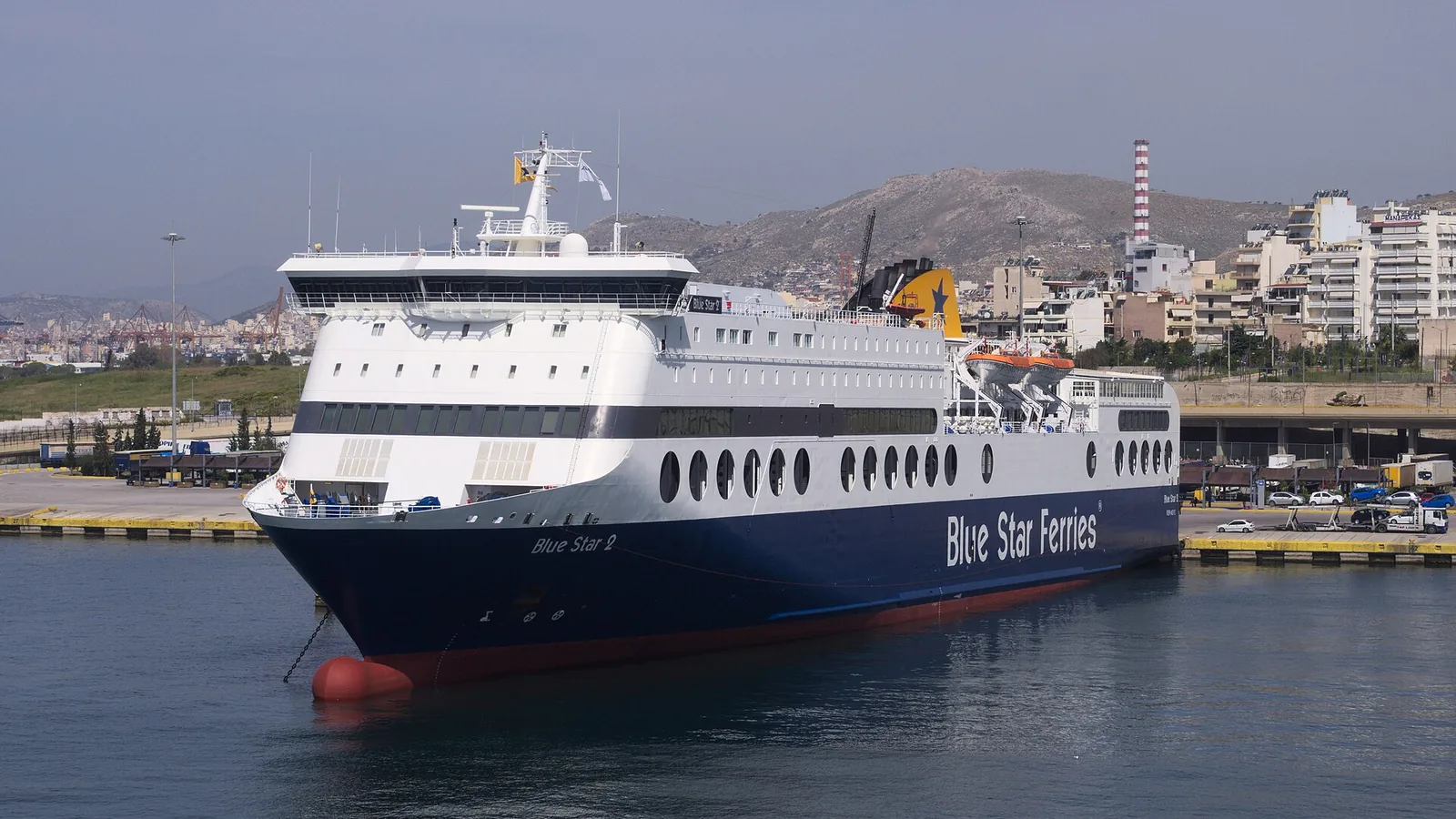
 (c) C messier / CC BY-SA 4.0
Greek Ferry Operators: A Comprehensive Comparison
Navigate Greece's ferry network. Compare top operators like Blue Star, SeaJets, and Fast Ferries to find the best choice for your island-hopping adventure.
By Serhat Özçelik, Founder & Editor of Ferry Schedule Hub· Published July 6, 2026· updated July 11, 2026
Navigating the Greek Ferry Landscape: An Introduction
The Greek islands, with their striking beauty and diverse cultures, are intrinsically linked by an extensive and efficient ferry network. For travelers planning an island-hopping adventure or simply needing to get from mainland Greece to an island, understanding the various ferry operators is key. The choice of operator can significantly impact your journey's cost, duration, comfort, and even its reliability, especially during peak season or challenging weather conditions.
At its core, the Greek ferry system is divided into two primary types of vessels: conventional car ferries and high-speed catamarans. These often run in parallel on popular routes, offering distinct travel experiences. This guide will delve into the major players in the Greek ferry market, comparing their services, strengths, and ideal use cases to help you make an informed decision. Exploring the vast network of Greek ferries requires a clear understanding of what each operator brings to the table.
Conventional Ferry Operators: Reliability, Value, and Comfort
Conventional ferries are the backbone of the Greek island connection. These larger vessels are slower but generally more stable, cheaper, and capable of carrying vehicles. Crucially, they are also more resilient to the strong summer Meltemi winds that can ground high-speed services. For longer journeys, especially overnight ones, many conventional ferries offer comfortable cabins.
Blue Star Ferries: The Gold Standard for Conventional Travel
When it comes to conventional ferry travel in Greece, Blue Star Ferries is widely regarded as the benchmark. Known for their large, modern, and well-maintained ships, Blue Star offers an excellent balance of value, reliability, and comfort. Their vessels typically feature multiple lounges, restaurants, cafes, and often shops. For longer routes, particularly those extending to the Dodecanese or North Aegean, Blue Star provides a range of cabin options, from basic inside cabins to luxurious suites, making overnight travel a comfortable experience. They are an ideal choice for travelers prioritizing stability, amenities, and a smoother ride, even if it means a longer journey time. Their extensive network primarily operates from Piraeus, serving a wide array of Cycladic and Dodecanese islands.
Fast Ferries: A Budget-Friendly Conventional Option
For budget-conscious travelers, especially those departing from Rafina or Piraeus, Fast Ferries has a compelling alternative. While their fleet might be slightly older or have fewer amenities than Blue Star, they provide reliable conventional services, primarily connecting the mainland to the Cyclades. Fast Ferries is a popular choice for routes from Rafina to islands like Mykonos, Tinos, and Andros, often with competitive pricing. They represent a solid option for those who value cost savings and the stability of a conventional vessel without needing the extensive onboard facilities of larger operators.
Hellenic Seaways (Conventional Fleet)
A versatile operator, Hellenic Seaways runs both conventional and high-speed vessels. Its conventional ships serve a range of islands, including the Argosaronic Gulf, Cyclades, and Sporades, providing a comfortable and reliable experience with amenities suited to medium-length journeys. (Note that its well-known Hellenic Highspeed is not one of these conventional ships but a car-carrying high-speed catamaran, covered under high-speed operators below.) Worth knowing when comparing schedules: Blue Star Ferries and Hellenic Seaways are in fact sister brands under the same parent, Attica Group (which also absorbed ANEK Lines in 2023), so you will often see their timetables and ticketing overlap on shared routes. Hellenic Seaways is a strong contender where its conventional ships offer convenient timings or specific island connections.
High-Speed Ferry Operators: Speed, Efficiency, and Modernity
High-speed ferries, primarily catamarans and hydrofoils, are designed for one thing: getting you to your destination quickly. These vessels are ideal for shorter routes or when time is of the essence, allowing for more island hopping in less time. However, they come with a higher price tag, are more susceptible to rough seas, and often offer a more enclosed, less open-air travel experience.
SeaJets: Greece's Largest High-Speed Fleet
When speed is paramount, SeaJets stands out as Greece's largest high-speed fleet operator. Their distinctive catamarans and monohulls zip between islands at impressive speeds, significantly cutting down travel times on many popular routes. SeaJets typically offers the fastest connections, making them a favorite for travelers with limited time or those looking to maximize their island time. However, this speed comes at a premium, making SeaJets generally the priciest option. Their vessels are fully enclosed, which means fewer opportunities to be on an open deck, and they can feel rougher in windy conditions compared to conventional ferries. Despite this, for many, the time saved makes SeaJets an invaluable choice.
Golden Star Ferries: Rafina-Based High-Speed & Conventional
Another significant player, particularly for routes from Rafina to the eastern Cyclades, is Golden Star Ferries. While they operate both conventional and high-speed vessels, their high-speed services are particularly popular for quick connections from Rafina to islands like Mykonos, Paros, and Naxos. Golden Star Ferries has a competitive alternative to SeaJets on these routes, often providing a good balance of speed and value. Their high-speed ships, like those of SeaJets, are fully enclosed and can be affected by strong winds, but they offer a modern and efficient way to travel.
Hellenic Seaways (High-Speed Fleet)
As mentioned, Hellenic Seaways also operates a substantial high-speed fleet, including car-carrying catamarans such as the Hellenic Highspeed, the newer Aero-class catamarans and the passenger-only Flying Dolphins hydrofoils. These vessels serve various routes, including the Argosaronic Gulf (where Flying Dolphins are prevalent), the Cyclades, and the Sporades. Their high-speed services offer a similar experience to SeaJets in terms of speed and comfort, though their fleet might be slightly smaller. Hellenic Seaways often provides a reliable high-speed option, especially on routes where they have a strong presence, balancing speed with a generally good service reputation.
Specialized Routes and Other Key Players
Beyond the major conventional and high-speed operators, some companies specialize in particular regions or types of service, further diversifying the Greek ferry landscape.
Minoan Lines: Piraeus to Crete and Beyond
Primarily serving the key Piraeus-Crete connection, Minoan Lines has a comfortable travel experience on large, modern conventional ferries. Their ships are well-equipped with amenities, including restaurants, bars, and a variety of cabin options, making them an excellent choice for the longer overnight journey to Crete. While their primary focus is on this important route, they also have international services. For travelers heading to Crete, Minoan Lines provides a high standard of service and reliability.
Comparing Operators: Conventional vs. High-Speed & Specific Matchups
Choosing the "best" Greek ferry operator isn't about finding a single winner; it's about matching your needs to the right service. The fundamental decision often boils down to conventional vs. high-speed:
- Speed vs. Stability: High-speed ferries (SeaJets, Hellenic Seaways high-speed, Golden Star high-speed) are significantly faster but more prone to cancellations or rough journeys in strong winds. Conventional ferries (Blue Star, Fast Ferries, Hellenic Seaways conventional, Minoan Lines) are slower but more stable and reliable in adverse weather.
- Cost: Conventional ferries are generally more economical than high-speed options.
- Comfort & Amenities: Conventional ferries, especially those on longer routes like Blue Star or Minoan Lines, often offer more open deck space, a wider range of dining options, and cabins. High-speed ferries are typically fully enclosed with airline-style seating.
- Vehicle Transport: All conventional ferries carry cars and motorcycles. Most high-speed catamarans do not, or have very limited space, so check carefully if you're traveling with a vehicle.
For specific route comparisons, understanding the nuances between operators is key:
- Blue Star Ferries vs. Fast Ferries: If you're weighing options between two major conventional operators, particularly from Piraeus or Rafina to the Cyclades, our detailed breakdown of Blue Star Ferries vs. Fast Ferries can help you decide based on budget, comfort, and specific route availability.
- Golden Star Ferries vs. SeaJets: For those seeking speed from Rafina to the Cyclades, a comparison of Golden Star Ferries vs. SeaJets will highlight differences in pricing, speed, and vessel type to help you choose the fastest option that fits your budget.
- Minoan Lines vs. SeaJets: For longer routes like Piraeus-Crete, where both conventional and high-speed options might exist (though SeaJets' presence on this route is less dominant), a comparison like Minoan Lines vs. SeaJets can help clarify choices between overnight comfort and speed.
Practical Tips for Booking and Travel
Regardless of which operator you choose, a few practical considerations will enhance your Greek ferry experience:
- Booking in Advance: For July and August, the peak summer months, it is highly recommended to book your ferry tickets 3-6 weeks in advance, especially for popular routes and high-speed services. While many major operators now issue e-tickets with QR codes, allowing for smooth boarding, popular routes can sell out quickly.
- Port Choice: Athens has two main ferry ports: Piraeus and Rafina. Piraeus is the largest and serves the most routes, but Rafina is significantly closer to Athens International Airport, making it a convenient choice for travelers arriving by air and heading directly to the Cyclades (especially Andros, Tinos, Mykonos).
- Wind Considerations: The summer Meltemi wind can be strong, particularly in July and August. On windy days, a conventional ferry is almost always the safer bet for a more comfortable and less likely-to-be-cancelled journey. High-speed catamarans are more susceptible to delays or cancellations in rough seas. Always check weather forecasts and ferry operator announcements.
- Arrival at Port: Aim to arrive at the port at least 30-60 minutes before departure, especially if you have a vehicle or are traveling during peak season. Greek ports can be busy, and finding your specific gate can take time.
For a broader understanding of the entire system, consult our comprehensive resource: Greek Ferries 101: Everything You Need to Know.
Conclusion: Choosing Your Ideal Greek Ferry Experience
The Greek ferry network has a wealth of options, ensuring there's a suitable operator for every traveler and every itinerary. There is no single "best" Greek ferry company; the ideal choice depends entirely on your priorities: budget, speed, comfort, stability, and the specific route you plan to take. By understanding the strengths of operators like Blue Star Ferries for reliability and value, SeaJets for unparalleled speed, and Fast Ferries for budget-friendly conventional travel, you can confidently navigate the Aegean and Ionian seas. Always consider the season, potential weather conditions, and your personal preferences to ensure a smooth and enjoyable journey through the beautiful Greek islands.
On this page
- Navigating the Greek Ferry Landscape: An Introduction
- Conventional Ferry Operators: Reliability, Value, and Comfort
- High-Speed Ferry Operators: Speed, Efficiency, and Modernity
- Specialized Routes and Other Key Players
- Comparing Operators: Conventional vs. High-Speed & Specific Matchups
- Practical Tips for Booking and Travel
- Conclusion: Choosing Your Ideal Greek Ferry Experience
Frequently asked questions
What is the main difference between conventional and high-speed Greek ferries?
Conventional ferries are larger, slower, cheaper, and more stable, often carrying vehicles and offering cabins. They are also more resilient to strong winds. High-speed ferries (catamarans) are faster but pricier, fully enclosed, and more susceptible to delays or cancellations in rough weather. They are ideal when time is critical.
Which Greek ferry operator is generally best for budget travelers?
For budget-conscious travelers, especially those departing from Rafina or Piraeus, Fast Ferries often provides competitive pricing for conventional services. Blue Star Ferries also offers excellent value on their conventional routes, particularly for longer journeys where comfort and amenities are desired without the premium of high-speed travel.
When should I choose a high-speed ferry like SeaJets over a conventional one?
You should choose a high-speed ferry like SeaJets when speed is your top priority and you have limited time for island hopping. They significantly reduce travel durations. However, be aware they are pricier, can be rougher in wind, and are more prone to cancellations during strong Meltemi winds in summer.
How far in advance should I book Greek ferry tickets, especially in summer?
For travel during the peak summer months of July and August, it is highly recommended to book your Greek ferry tickets 3-6 weeks in advance. Popular routes and high-speed services, in particular, can sell out quickly. Booking ahead ensures you secure your desired schedule and class of travel.
What impact does the Meltemi wind have on Greek ferry travel?
The Meltemi wind, prevalent in the Aegean during summer, can significantly impact ferry travel. Strong winds often cause high-speed ferries to be delayed, rerouted, or even cancelled due to safety concerns. Conventional ferries are much more stable and reliable in these conditions, making them a safer bet on windy days.
Keep reading