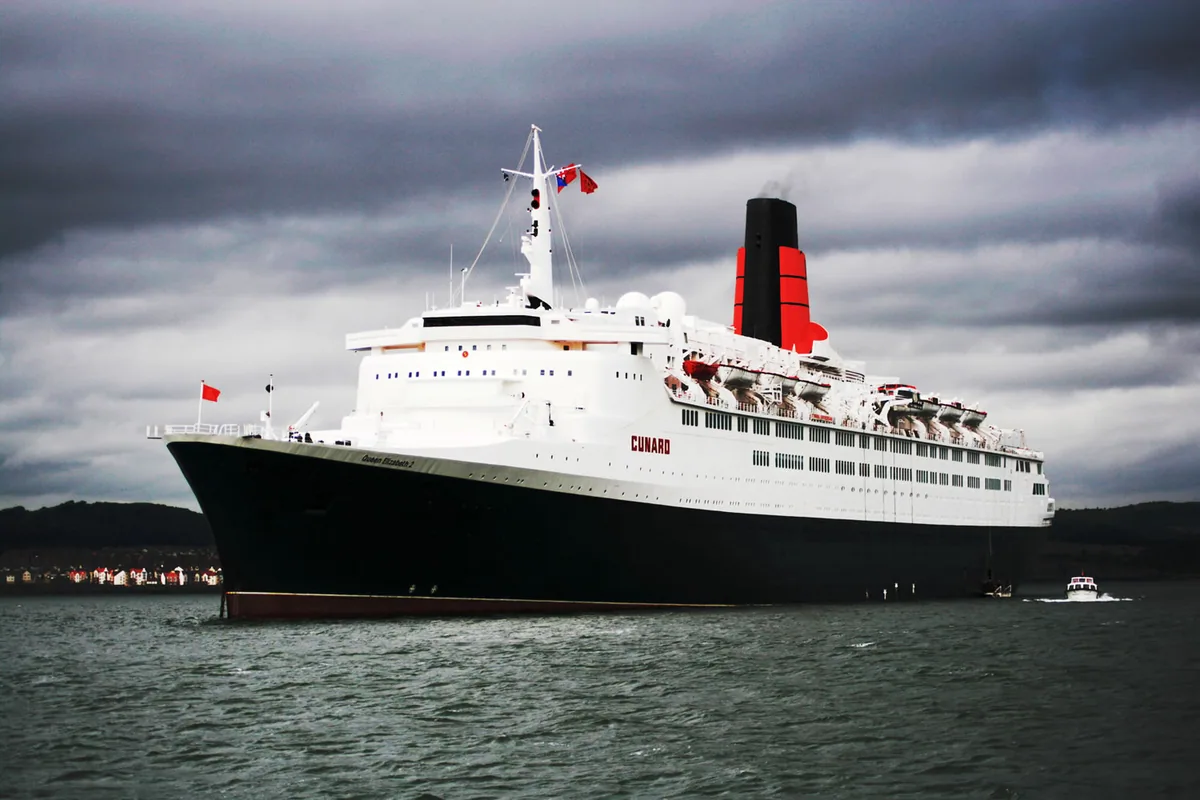
 (c) Tim Dyer / Public domain
First-Time Ferry Travel: A Complete Beginner's Guide
Embark on your first ferry adventure with confidence! This guide covers everything from booking to boarding, ensuring a smooth and enjoyable journey across the seas.
By Serhat Özçelik, Founder & Editor of Ferry Schedule Hub· Published June 13, 2026· updated June 18, 2026
Understanding Ferry Travel: More Than Just a Ride
Ferry travel has a unique way to explore coastal regions, islands, and even cross international borders. Unlike flying, it provides a more relaxed pace, often with striking scenic views and the opportunity to bring vehicles. Whether you're island-hopping in Greece, navigating the fjords of Norway, or crossing the Adriatic, ferries are an integral part of many travel experiences. This guide will equip first-time travelers with the knowledge needed to plan and enjoy a smooth ferry journey.
Choosing Your Ferry Route and Operator
The first step in planning any ferry trip is identifying your destination and potential routes. Many popular regions, such as the Cyclades in Greece, the Croatian coast, or the Baltic Sea, have extensive ferry networks. You'll find a variety of operators serving these routes, each with different vessel types, schedules, and pricing structures. For example, in Greece, companies like Blue Star Ferries and Minoan Lines are prominent, while in the Adriatic, Jadrolinija is a major player. Researching operators and available routes on our website will help you compare options and find the best fit for your travel plans.
Consider the type of journey you're undertaking. Are you looking for a quick inter-island hop, or a longer overnight crossing? Some routes offer high-speed catamarans for shorter distances, while others utilize conventional car ferries that are slower but provide more amenities and vehicle capacity. Always check the specific vessel type for your chosen route, as this will influence your onboard experience.
Booking Your Ferry Tickets: When and How
Booking ferry tickets in advance is highly recommended, especially during peak season (summer months, public holidays) or for popular routes. While some routes might have same-day availability, others can sell out weeks or even months ahead, particularly if you're traveling with a vehicle. Booking early often secures better prices and ensures you get your preferred departure time.
You can typically book tickets online directly through the ferry operator's website, via online travel agencies, or here on our website where you can compare and book various routes. When booking, you'll usually need to provide passenger names, dates of birth, and passport or ID details. If traveling with a vehicle, you'll need to specify its make, model, and dimensions, including any roof racks or bike carriers, as this affects the vehicle deck space and cost. Double-check all details before confirming your booking to avoid issues at check-in.
Understanding Ticket Types and Fares
Ferry tickets come in various classes and fare types. For foot passengers, options typically range from standard deck passage to reserved airline-style seats, and even private cabins on longer overnight journeys. Deck passage allows you to sit in public areas, often with access to cafes and outdoor decks. Reserved seats provide a dedicated spot, usually in a comfortable lounge. Cabins, available on longer routes, offer privacy, beds, and often a private bathroom, making them ideal for overnight travel.
Vehicle fares are usually calculated based on the vehicle's size and type. Motorcycles, cars, campervans, and trailers each have different pricing tiers. Some operators also offer special fares for children, seniors, or residents of specific regions. Always review the fare conditions, including cancellation and amendment policies, before purchasing your tickets.
Preparing for Departure: What to Pack and What to Know
Packing for a ferry trip is similar to other forms of travel, but with a few unique considerations. If you have a cabin, you can unpack your main luggage. However, if you're a foot passenger with deck passage or a reserved seat, you'll typically keep your luggage with you or in designated storage areas. Therefore, pack a smaller bag with essentials you might need during the journey: snacks, water, entertainment (books, headphones), medications, and layers of clothing, as temperatures can vary between indoor and outdoor decks.
For vehicle passengers, remember that you won't have access to your vehicle during the crossing once it's parked on the car deck. Remove anything you'll need for the journey before driving onto the ferry. Always arrive at the port well in advance of your scheduled departure time. Most operators recommend arriving 60-90 minutes before departure for foot passengers and 90-120 minutes for vehicle passengers, especially during peak season. Check your ticket or the operator's instructions for exact recommended arrival times.
Port Procedures and Boarding
Upon arrival at the port, follow the signs for your ferry operator and destination. Foot passengers will usually proceed to a check-in desk or kiosk to exchange their booking confirmation for a physical boarding pass. Have your passport or ID ready. Vehicle passengers will typically be directed to a staging area where staff will check tickets and guide vehicles into the correct lanes for boarding.
Boarding procedures are generally well-organized. Foot passengers will board via a gangway, while vehicles are directed onto the car deck by crew members. Pay close attention to crew instructions for parking your vehicle. Once parked, engage the handbrake, turn off the engine, and exit your vehicle, taking all necessary belongings with you. Note the deck and lane number where you parked to easily locate your vehicle upon arrival.
Onboard Experience: Amenities and Comfort
Modern ferries offer a range of amenities designed to make your journey comfortable and enjoyable. These can include restaurants, cafes, bars, shops, children's play areas, and even swimming pools on larger vessels. Wi-Fi access may be available, sometimes for an additional fee. Outdoor decks provide opportunities to enjoy the sea air and views, while indoor lounges offer a place to relax.
On longer crossings, you might find entertainment options or even a cinema. Take some time to explore the vessel and familiarize yourself with its layout. If you have a cabin, locate it and settle in. For those with deck passage or reserved seats, find a comfortable spot and make yourself at home. Remember to stay aware of safety announcements and emergency procedures.
Arrival and Disembarkation
As your ferry approaches its destination, announcements will be made regarding disembarkation. Foot passengers should gather their belongings and proceed to the designated exit points, usually the same gangway used for boarding. Vehicle passengers will be called to return to their vehicles on the car deck. Listen carefully for instructions, as vehicles are usually disembarked in a specific order to ensure efficiency.
Once back in your vehicle, wait for crew members to direct you off the ferry. Drive carefully, as port areas can be busy with other vehicles and pedestrians. Have your onward travel plans ready, whether it's a rental car pickup, a taxi, or public transport connections. Congratulations, you've successfully completed your first ferry journey!
Tips for a Smooth Ferry Trip
- Check for updates: Always check the ferry operator's website or our platform for any schedule changes or delays, especially if weather conditions are poor.
- Seasickness prevention: If you're prone to motion sickness, consider taking preventative medication before boarding. Choosing a larger vessel or a cabin in the middle of the ship can also help.
- Stay hydrated and fed: While ferries offer food and drink, bringing your own snacks and water can be cost-effective and ensure you have what you like.
- Keep documents handy: Have your tickets, ID, and any other necessary travel documents easily accessible for check-in and boarding.
- Secure your belongings: Keep an eye on your luggage, especially in public areas.
- Be patient: Port operations, especially during peak times, can sometimes involve waiting. A relaxed attitude will make the experience more pleasant.
- Enjoy the views: Ferry travel offers incredible photo opportunities. Don't forget to step out on deck and take in the scenery!
On this page
- Understanding Ferry Travel: More Than Just a Ride
- Choosing Your Ferry Route and Operator
- Booking Your Ferry Tickets: When and How
- Understanding Ticket Types and Fares
- Preparing for Departure: What to Pack and What to Know
- Port Procedures and Boarding
- Onboard Experience: Amenities and Comfort
- Arrival and Disembarkation
- Tips for a Smooth Ferry Trip
Frequently asked questions
Do I need to print my ferry ticket?
It depends on the operator and route. Many operators now accept e-tickets on a smartphone, but some may require a physical printout or for you to exchange your booking confirmation for a boarding pass at the port. Always check the specific instructions from your ferry operator or booking confirmation.
Can I bring my pet on a ferry?
Most ferry operators allow pets, but policies vary significantly. Some offer pet-friendly cabins, while others require pets to stay in designated kennels on the car deck or in specific outdoor areas. There may be a fee. Always confirm the pet policy with the specific ferry operator before booking.
What happens if my ferry is delayed or cancelled?
Ferry delays or cancellations can occur due to weather, technical issues, or other unforeseen circumstances. Operators typically inform passengers via SMS or email, and announcements are made at the port. You may be offered an alternative sailing, a refund, or compensation depending on the length of the delay and the operator's policy. Check our website for live updates on routes.
Is food and drink available on board ferries?
Yes, most ferries, especially those on longer routes, have cafes, snack bars, and often full-service restaurants. The selection and price can vary. You are generally allowed to bring your own food and non-alcoholic beverages on board.
How early should I arrive at the port before departure?
It's generally recommended to arrive at least 60-90 minutes before scheduled departure for foot passengers, and 90-120 minutes for vehicle passengers. During peak season or for popular routes, arriving even earlier can be beneficial. Always check the specific advice provided by your ferry operator.
Can I leave my luggage in my car on the ferry?
No, once your vehicle is parked on the car deck, you will not have access to it during the crossing. You must take all necessary personal belongings, including valuables, medications, and any items you'll need for the journey, with you when you leave your vehicle and proceed to the passenger decks.
Keep reading