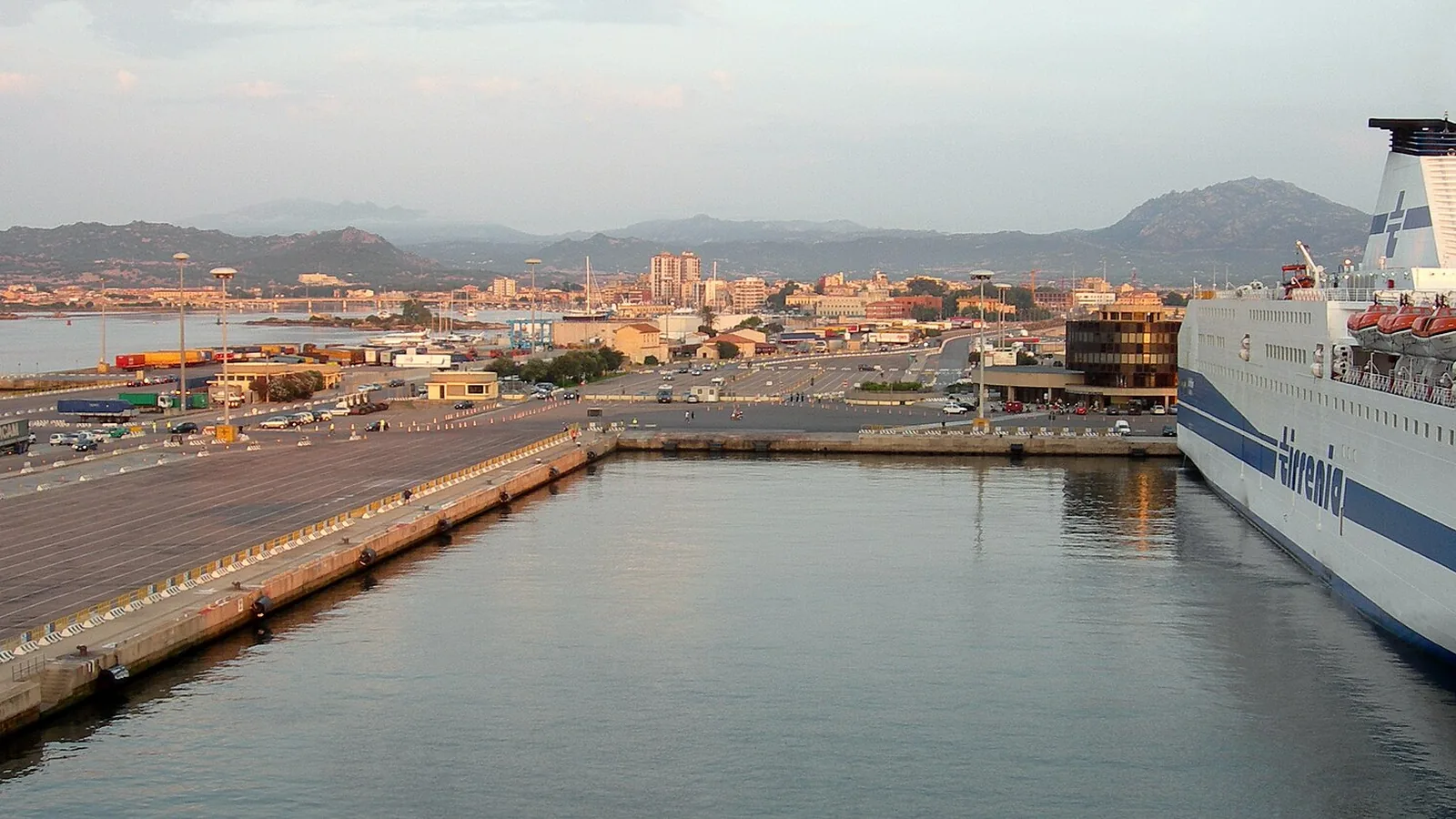
 (c) gasparttorriero / CC BY 2.0
Ferries to Sardinia: Your Comprehensive Guide
Plan your ferry trip to Sardinia from mainland Italy. Discover routes from Genoa, Civitavecchia, Livorno, and more, with top operators and essential booking tips.
By Serhat Özçelik, Founder & Editor of Ferry Schedule Hub· Published July 6, 2026· updated July 11, 2026
Discovering Sardinia by Ferry
Sardinia, the second-largest island in the Mediterranean, is a captivating destination renowned for its clean beaches, rugged interior, and rich history. For travelers seeking to explore this Italian gem, especially those planning a road trip, taking a ferry is often the most practical and scenic option. Ferries to Sardinia operate year-round, connecting the island with several key ports on mainland Italy. This guide provides a comprehensive overview of everything you need to know about planning your ferry journey to Sardinia, from choosing your departure port to understanding the various operators and booking essentials.
Traveling by ferry allows you the flexibility to bring your own vehicle – be it a car, motorhome, or motorbike – making it ideal for exploring Sardinia's diverse landscapes at your own pace. The journey itself is part of the adventure, offering a comfortable passage across the sea, often with overnight options that include cabins and reclining seats. Whether you're heading to the lively north or the historic south, understanding the ferry network is the first step to an memorable Sardinian experience. For a broader perspective on maritime travel in the region, explore our general guide on ferries in Italy.
Mainland Italian Departure Ports for Sardinia
The Italian mainland has a variety of departure points, each providing unique advantages depending on your starting location and desired Sardinian arrival port. The primary ports serving Sardinia are Genoa, Livorno, Civitavecchia (Rome), Naples, Piombino, and Savona. Each port offers connections to different parts of the island, ensuring comprehensive coverage.
- Genoa: Located in the Liguria region, Genoa is a major northern Italian port offering extensive connections to Sardinia. It's particularly convenient for travelers coming from northern Italy, France, or Switzerland. Routes from Genoa typically serve Porto Torres and Olbia. The Genoa to Olbia route is a popular choice, providing access to the northeastern coast.
- Livorno: Situated in Tuscany, Livorno is another significant departure point, especially for those traveling from central Italy. It offers frequent services to Olbia and Golfo Aranci. The Livorno to Olbia route is one of the busiest, known for its efficiency and range of services.
- Civitavecchia (Rome): Often referred to as "Rome's port," Civitavecchia offers the widest choice of routes to Sardinia. Its proximity to the capital makes it an accessible option for many. From Civitavecchia, you can reach Olbia, Porto Torres, Cagliari, and Arbatax. The Civitavecchia to Olbia route is particularly well-served and a key route to the island's northeast. For those considering alternatives, we offer a dedicated guide on ferry vs. flight from Civitavecchia to Olbia.
- Naples: Further south, Naples provides connections primarily to Cagliari, catering to travelers coming from southern Italy.
- Piombino: This Tuscan port offers seasonal or less frequent services, notably including the Piombino to Golfo Aranci route, which can be a convenient option during peak season.
- Savona: Another Ligurian port, Savona, offers some connections to Sardinia, though generally less frequent than Genoa.
The choice of departure port often depends on your mainland starting point and your desired arrival region in Sardinia. Considering the overall travel time to the port, as well as the ferry crossing duration, will help you make the best decision for your journey.
Key Sardinian Arrival Ports
Sardinia boasts several well-equipped ferry ports, strategically located to provide access to different parts of the island. The main arrival ports are Olbia, Golfo Aranci, Porto Torres, Cagliari, and Arbatax.
- Olbia: Located on the northeastern coast, Olbia is the most popular route to Sardinia, especially for those heading to the famous Costa Smeralda. It receives the highest volume of traffic from mainland Italy, with frequent connections from Civitavecchia, Genoa, and Livorno. Its modern facilities and excellent road links make it an ideal starting point for exploring the north and east of the island.
- Golfo Aranci: Also on the northeastern coast and very close to Olbia, Golfo Aranci serves as another key entry point for the Costa Smeralda. It offers connections from ports like Livorno and Piombino, providing an alternative to the busier Olbia.
- Porto Torres: Situated on the northwestern coast, Porto Torres is the main port for accessing the northwest of Sardinia, including areas like Alghero and Stintino. It typically receives ferries from Genoa and Civitavecchia.
- Cagliari: As the capital city of Sardinia, Cagliari is located on the southern coast. It is the primary arrival port for travelers wishing to explore the south of the island, including its historic city center and beautiful southern beaches. Cagliari receives services mainly from Civitavecchia and Naples.
- Arbatax: On the central-eastern coast, Arbatax is a smaller port that offers connections primarily from Civitavecchia. It's a good option for those looking to explore the wilder, less-developed central-eastern regions of Sardinia.
The choice of arrival port significantly impacts your onward travel within Sardinia. If your primary destination is the glamorous Costa Smeralda, then Olbia or Golfo Aranci are your best bets. For the historic south, Cagliari is the obvious choice, while Porto Torres opens up the northwest.
Major Ferry Operators Serving Sardinia
Several reputable ferry companies operate routes to Sardinia, each offering a range of services and vessel types. Understanding the different operators can help you choose the best option for your travel needs.
- Moby Lines: Known for their distinctive blue whale logo and often themed ships, Moby Lines is one of the most recognized operators. They offer numerous connections, particularly from Genoa and Livorno to Olbia and Porto Torres, and from Civitavecchia to Olbia. Moby Lines operates large ro-pax vessels capable of carrying a significant number of vehicles and passengers, providing a full range of onboard amenities.
- Tirrenia: A historic Italian shipping company, Tirrenia provides important connections between mainland Italy and Sardinia. Their routes often include Civitavecchia to Olbia, Cagliari, and Arbatax, as well as Genoa to Porto Torres. Tirrenia's fleet consists of modern ferries designed for comfort and efficiency, offering cabins, restaurants, and entertainment.
- Grimaldi Lines: Grimaldi Lines is a major player in the Mediterranean, offering extensive routes including those to Sardinia. They primarily operate from Civitavecchia to Olbia and Porto Torres, and from Livorno to Olbia. Grimaldi Lines is known for its large, comfortable ships that cater well to both passengers and vehicles, making them a popular choice for families and those with cars.
- Grandi Navi Veloci (GNV): GNV operates several routes to Sardinia, most notably from Genoa to Olbia and Porto Torres. GNV ships are typically large cruise-ferries, offering a wide array of services including various cabin types, restaurants, shops, and sometimes even swimming pools, providing a more luxurious travel experience.
- Corsica Sardinia Ferries: While their name suggests a focus on Corsica, Corsica Sardinia Ferries also offers important connections to Sardinia, particularly from Livorno to Golfo Aranci. They are known for their "Mega Express" vessels, which combine speed with comfort, making them a good option for those looking for a quicker crossing.
Each operator has its own fleet characteristics, pricing structures, and service offerings. It's advisable to compare options from different companies for your specific route and travel dates to find the best fit.
Understanding Crossing Times and Ship Types
Ferry crossings to Sardinia vary significantly in duration, typically ranging from about 5 to 15 hours, depending on the departure and arrival ports, and the specific vessel. Shorter routes, such as some from Piombino or Livorno to the northeastern ports, might be on the lower end, while longer journeys from Genoa or Naples can extend to the upper range.
Many routes, especially the longer ones, are operated as overnight services. These are particularly convenient for travelers, as they allow you to rest while you travel and arrive refreshed in Sardinia. Overnight ferries are almost always car ferries, also known as ro-pax (roll-on/roll-off passenger) ships. These large vessels are specifically designed to transport both passengers and vehicles, including cars, motorhomes, and motorbikes.
Onboard facilities on these ro-pax ships are comprehensive. For overnight journeys, you'll find a range of accommodation options, from comfortable reclining seats in dedicated lounges to private cabins. Cabins come in various configurations, including interior, exterior (with a window), and sometimes even suites, often with private bathrooms. Beyond sleeping arrangements, ferries typically feature restaurants (self-service and à la carte), bars, cafes, shops, children's play areas, and sometimes even cinemas or swimming pools, especially on the larger cruise-ferries. These amenities ensure a comfortable and enjoyable journey, transforming the crossing from a mere transit into part of your holiday experience.
Key Booking Tips for Your Sardinia Ferry
Securing your ferry tickets to Sardinia requires some strategic planning, especially if you're traveling during peak season or with a vehicle. Here are some key tips to ensure a smooth booking process:
- Book Well in Advance: This is arguably the most key tip. For travel during the high season (July and August), and especially if you require a cabin or are bringing a vehicle, booking several months ahead is highly recommended. Summer sailings, particularly for popular routes like Civitavecchia to Olbia or Genoa to Olbia, sell out quickly. Early booking often secures better prices and ensures availability for your preferred dates and accommodation.
- Consider Off-Peak Travel: If your schedule allows, traveling outside of July and August can offer significant advantages. Not only are ferry tickets and accommodation generally more affordable, but the island itself is less crowded, providing a more relaxed experience.
- Vehicle Reservations are Key: If you plan to bring a car, motorhome, or motorbike, ensure you specify the correct vehicle type and dimensions (length, height, width) during booking. Space for vehicles is limited, and without a reservation, you risk being denied boarding. Remember that these large ro-pax ships are perfectly suited for carrying vehicles, making a road trip across Sardinia highly feasible.
- Cabin vs. Reclining Seat: For overnight crossings, decide whether a private cabin is key for your comfort. Cabins offer privacy and a bed, which is invaluable for a good night's sleep. Reclining seats are a more budget-friendly option but offer less privacy and comfort. Cabins are the first to sell out, so book early if you need one.
- Compare Operators and Routes: Use a ferry comparison tool or check the websites of individual operators like Moby Lines, Tirrenia, Grimaldi Lines, and GNV. Different companies may offer varying prices, schedules, and amenities for the same route. For instance, comparing the Livorno to Olbia options across operators can yield significant savings or better convenience.
- Check-in Procedures: Be aware of the check-in times for your specific operator and port. Typically, you need to arrive at the port well in advance (e.g., 60-90 minutes for vehicles, 30 minutes for foot passengers) to allow ample time for boarding procedures.
By following these booking tips, you can navigate the process with confidence and secure your passage to the beautiful island of Sardinia without unnecessary stress.
Planning Your Road Trip to Sardinia
Sardinia is an island best explored with a vehicle, and the ferry journey is perfectly tailored for this. The ability to bring your own car, motorhome, or motorbike opens up endless possibilities for discovering its diverse landscapes, from the glamorous Costa Smeralda near Olbia and Golfo Aranci, to the ancient ruins around Cagliari, and the rugged interior mountains.
Once you disembark at your chosen Sardinian port, whether it's Olbia, Porto Torres, or Cagliari, you'll find well-maintained roads leading to all corners of the island. The flexibility of having your own transport means you can venture off the beaten path, discover secluded coves, visit appealing hilltop villages, and explore archaeological sites at your leisure. The ro-pax ferries are specifically designed to accommodate vehicles of all sizes, making them an ideal choice for a comprehensive road trip experience.
Consider mapping out your itinerary in advance, taking into account the distances between major attractions and the winding nature of some Sardinian roads. With your vehicle safely transported by ferry, you're free to set off on an memorable adventure, experiencing the true essence of Sardinia at your own pace. Remember to factor in the journey time from your mainland departure port, such as Genoa or Civitavecchia, to ensure a smooth start to your island exploration.
Frequently asked questions
Which mainland Italian ports offer ferries to Sardinia?
Ferries to Sardinia depart from several mainland Italian ports, including Genoa, Livorno, Civitavecchia (Rome), Naples, Piombino, and Savona. Civitavecchia offers the widest selection of routes, connecting to various Sardinian destinations. Each port provides access to different parts of the island, catering to travelers' diverse starting points and preferred arrival regions.
What are the main arrival ports in Sardinia for ferries?
The primary arrival ports in Sardinia are Olbia, Golfo Aranci, Porto Torres, Cagliari, and Arbatax. Olbia and Golfo Aranci are ideal for accessing the Costa Smeralda and northeastern Sardinia. Porto Torres serves the northwest, while Cagliari is the main gateway to the south. Arbatax offers connections to the central-eastern coast.
How long do ferry crossings to Sardinia typically take?
Ferry crossings to Sardinia generally range from approximately 5 to 15 hours. The exact duration depends on the specific route and the type of vessel. Shorter routes, like some from Livorno, might be quicker, while longer journeys from Genoa or Naples often involve overnight travel. Many services are overnight car ferries, offering cabins for rest.
Which ferry operators serve routes to Sardinia?
Several major ferry operators provide services to Sardinia. These include Moby Lines, Tirrenia, Grimaldi Lines, GNV (Grandi Navi Veloci), and Corsica Sardinia Ferries. Each operator offers various routes, ship types, and onboard amenities, allowing travelers to choose the best option based on their budget and comfort preferences for the journey.
Is it necessary to book ferry tickets to Sardinia in advance?
Yes, it is highly recommended to book ferry tickets to Sardinia well in advance, especially if you plan to travel during the peak summer months of July and August. Cabins and vehicle spaces, particularly for cars and motorhomes, sell out quickly during this period. Early booking often secures better prices and ensures availability for your preferred dates and times.
Keep reading