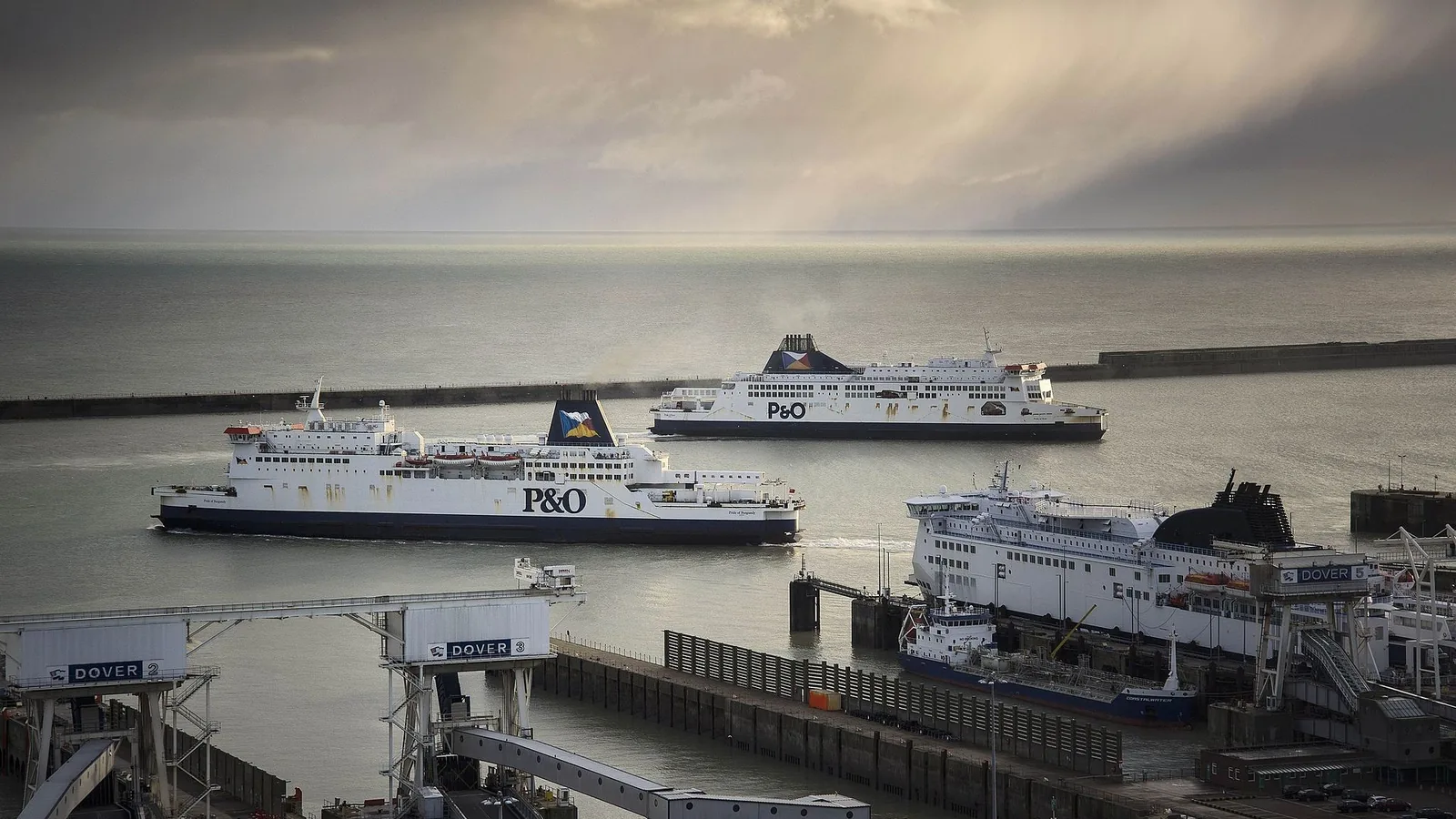
 (c) Michiel Hendryckx / CC BY-SA 4.0
Cross-Channel Ferries Compared: Dover-Calais, Newhaven-Dieppe & More
Dover-Calais in 90 minutes, Newhaven-Dieppe in four hours or an overnight cabin from Portsmouth - each Channel crossing serves a different traveller. This comparison shows which one fits your journey.
By Serhat Özçelik, Founder & Editor of Ferry Schedule Hub· Published July 4, 2026· updated July 11, 2026
The English Channel is the busiest ferry corridor in Europe, yet the crossings on offer are anything but interchangeable. A ninety-minute dash from Dover, a four-hour mid-Channel voyage from Sussex, an overnight cabin run out of Portsmouth and a thirty-five-minute train through the tunnel all solve the same problem in very different ways. The right choice depends on where you live, where in France you are heading, and how much of the journey you want to spend at sea.
Dover-Calais: the high-frequency classic
The short strait between Dover and Calais carries more traffic than any other route, with P&O Ferries, DFDS and Irish Ferries competing on the same water. Sailings take around ninety minutes and depart with remarkable frequency — at busy times a ship leaves roughly every hour or better across the three operators. That frequency is the route's superpower: miss your sailing after a motorway delay and the operators will usually put you on the next departure. It is first and foremost a motorists' route, and Calais drops you straight onto the A16 autoroute with Paris, Belgium and the rest of northern Europe within easy reach. DFDS also serves nearby Dunkirk from Dover, a slightly longer sailing that some drivers prefer for quieter port roads.
Newhaven-Dieppe: the Sussex alternative
Travellers starting south of London often waste hours driving east to Dover when a port sits far closer to home. The DFDS service from Newhaven to Dieppe takes about four hours, but look at the map before dismissing it: Dieppe lies well south of Calais, so the sea does a chunk of the driving for you. Anyone bound for Rouen, Paris via the Vernon road, or the Normandy coast can arrive with noticeably fewer French motorway miles — and fewer tolls — than the Dover option demands. The trade-off is frequency, with a small number of daily round trips rather than a conveyor belt of ships.
Portsmouth: the western and overnight routes
From Portsmouth, Brittany Ferries runs a fan of longer routes to Caen, Cherbourg, St Malo and Le Havre. These crossings measure their duration in half-days rather than minutes, but the overnight sailings are the point: board in the evening, sleep in a cabin, and wake up already deep into western France. For holidays in Brittany, the Loire or the southwest, an overnight Portsmouth sailing can replace an entire day of driving through northern France, arriving rested instead of road-weary. High-speed craft trim the Cherbourg crossing to around three hours in season.
What about Eurotunnel?
Le Shuttle between Folkestone and Calais is the ferry's great rival: about thirty-five minutes platform to platform, largely immune to rough weather, and quick to load. But it is a car transporter, not a voyage — you sit inside your vehicle in a sealed carriage, there is no deck, no restaurant and no sea air, and foot passengers cannot use it at all. Ferries counter with lounges, meals, duty-free shopping and the simple pleasure of watching the white cliffs recede. Motorists in a hurry lean towards the tunnel; families, caravanners, and anyone who treats the crossing as the start of the holiday tend to stay with the ships.
Total journey time, not just sailing time
Comparing crossings on sailing duration alone is misleading. Add the drive to the port, the check-in window, and — crucially — the drive on the French side to your real destination. A Kent household bound for Bruges does that sum and lands firmly on Dover; a Hampshire family towing a caravan to Brittany finds that Portsmouth-St Malo beats every alternative once four hundred kilometres of French driving are removed from the equation. Overnight routes also convert dead time into rest: a cabin crossing that "takes" eight hours may cost you nothing at all if those hours would otherwise have been spent asleep in a roadside hotel. Sketch the door-to-door journey for two or three candidate routes before booking anything.
Which crossing fits which traveller?
| Route | Operators | Typical duration | Best suited to |
|---|---|---|---|
| Dover-Calais | P&O Ferries, DFDS, Irish Ferries | ~90 minutes | Drivers wanting maximum frequency and flexibility |
| Dover-Dunkirk | DFDS | ~2 hours | Drivers heading to Belgium or seeking quieter ports |
| Newhaven-Dieppe | DFDS | ~4 hours | Southern England residents bound for Normandy or Paris |
| Portsmouth-Caen / Cherbourg / St Malo | Brittany Ferries | 3-11 hours | Western France holidays; overnight cabin travellers |
| Folkestone-Calais (Eurotunnel) | Le Shuttle | ~35 minutes | Vehicle travellers prioritising speed over experience |
Booking and boarding notes
Fares on the short strait behave like airline pricing, rising as departures fill, so committing early to a fixed sailing generally beats turning up and hoping. Check-in deadlines are strict — typically at least forty-five to sixty minutes before departure for vehicles — and passport control for France happens on the English side before you board. Foot passenger carriage varies by route and operator, so confirm it when booking rather than assuming every sailing accepts walkers. Live schedules for each port are on the port pages linked above.
Allow extra time for new border formalities. Because French frontier controls sit on the English side at Dover and at the Folkestone Eurotunnel terminal, the EU’s Entry/Exit System (EES) — which registers non-EU travellers’ fingerprints and a facial scan on their first crossing — is being introduced at these controls through 2026, following its phased rollout from late 2025. That first-time registration adds a step old-style passport stamping did not, and it can lengthen queues at peak times. The separate ETIAS online travel authorisation for visa-exempt visitors is expected to follow later in 2026. Check whether it applies before you travel, keep your whole party together for the biometric stage, and add a margin on top of the usual check-in deadline, particularly on summer weekends.
Frequently asked questions
What is the fastest way across the English Channel?
Eurotunnel's Le Shuttle from Folkestone to Calais takes about 35 minutes, making it the fastest vehicle crossing. Among ferries, Dover-Calais is quickest at roughly 90 minutes, with the highest frequency of any route.
Which companies sail from Dover to Calais?
Three operators compete on the route: P&O Ferries, DFDS and Irish Ferries. Between them they offer near-hourly departures at busy times, and DFDS additionally sails from Dover to Dunkirk.
Is the Newhaven to Dieppe ferry worth it compared with Dover?
For travellers based in Sussex or south of London heading to Normandy, Rouen or Paris, often yes. The crossing takes about four hours, but Dieppe is much further south than Calais, cutting French driving distance and toll costs. Frequency is lower than Dover-Calais.
Can foot passengers travel on cross-Channel ferries?
On some sailings, yes, but carriage varies by route, operator and departure time. Eurotunnel does not accept foot passengers at all. Confirm foot passenger availability at booking rather than assuming it.
Should I choose the ferry or Eurotunnel?
Choose Eurotunnel for pure speed and weather resilience; choose the ferry for lounges, food, deck space and usually more flexible pricing. Families and caravanners often prefer the ferry, while business drivers tend to favour the tunnel.
Will EES or ETIAS border checks slow down my crossing at Dover or Folkestone?
They can, so allow extra time. French border checks take place on the English side at Dover and at the Folkestone Eurotunnel terminal, and the EU’s Entry/Exit System (EES) — a fingerprint and facial scan for non-EU travellers on their first crossing — is being phased in there during 2026. The initial registration takes longer than an old passport stamp and can extend queues at busy periods, so arrive earlier than the standard check-in deadline. The online ETIAS authorisation is expected to be required later in 2026; check its status before you travel.
Keep reading