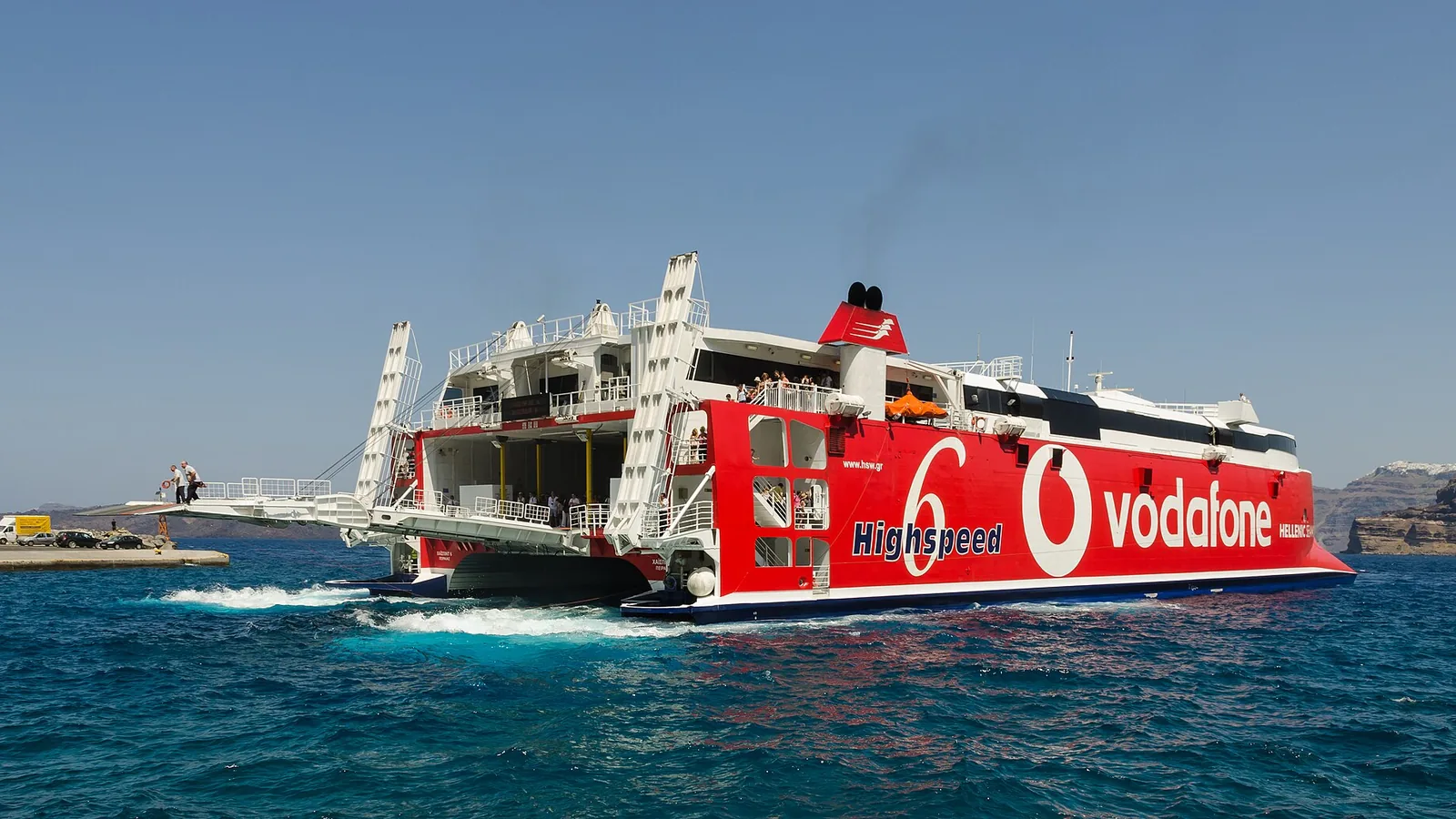
 (c) Norbert Nagel / CC BY-SA 3.0
Ferries to Santorini: Your Complete Guide
Navigate Santorini's ferry connections with this comprehensive guide. Discover routes from Athens, Crete, and the Cyclades, port details, and booking tips.
By Serhat Özçelik, Founder & Editor of Ferry Schedule Hub· Published July 6, 2026· updated July 11, 2026
Discovering Santorini by Ferry: Your Key Guide
Santorini, with its well-known caldera, whitewashed villages, and dramatic sunsets, is one of Greece's most sought-after destinations. While air travel offers speed, arriving by ferry provides a unique and often more scenic introduction to this striking Cycladic island. As your vessel approaches, the dramatic cliffs and multi-hued layers of volcanic rock slowly reveal themselves, offering an memorable first impression.
This comprehensive guide from FerryScheduleHub.com is designed to equip you with all the necessary information for a smooth and enjoyable ferry journey to Santorini. We'll cover everything from the main departure points and vessel types to booking strategies and key travel tips, ensuring you're well-prepared for your Aegean adventure. Whether you're planning a direct trip from the mainland or an island-hopping escapade through the Cyclades, understanding the ferry system is key to a stress-free experience.
The Greek ferry network is extensive and efficient, connecting hundreds of islands and mainland ports. For general information on navigating the broader system, you can explore our guide to ferries in Greece. Santorini is a central hub in this network, making it accessible from many popular locations.
Navigating Santorini's Key Ferry Routes
Santorini's strategic location in the Aegean Sea makes it a well-connected destination, accessible from mainland Greece and numerous other islands. Understanding the primary routes is key for planning your itinerary, whether you're starting from Athens, island hopping, or arriving from Crete.
From Athens: The Piraeus to Santorini Journey
The most common route for international travelers and those starting their Greek adventure on the mainland is the ferry from Athens to Santorini. Ferries depart from Piraeus, the main port of Athens, which is easily accessible from the city center and Athens International Airport. In Piraeus, ferry gates for Santorini typically range around E6-E10, though it's always wise to check your ticket and port signage upon arrival.
The journey from Piraeus has a choice between two main types of vessels, each with distinct advantages:
- High-Speed Catamarans: Operators like SeaJets offer the fastest way to reach Santorini. These modern catamarans typically complete the journey in approximately 4 hours 45 minutes to 5 hours. While quicker, they are generally more expensive, with fares roughly ranging from €70-90+. High-speed vessels are also more enclosed, offering fewer outdoor deck spaces, and can experience a rougher ride in strong winds, potentially leading to delays or cancellations during periods of high meltemi winds.
- Conventional Car Ferries: Companies such as Blue Star Ferries provide a more traditional ferry experience. These larger, more stable vessels take longer, usually around 8-9 hours, but are significantly cheaper, with fares typically ranging from €35-50 one way. Conventional ferries offer more space to move around, outdoor decks, and a smoother ride, making them a popular choice for those not in a rush or traveling with vehicles. Fast Ferries also operates on this route, offering a similar conventional ferry experience.
For a detailed comparison of travel options, you might find our guide on ferry vs. flight from Piraeus to Santorini helpful. Regardless of your choice, the Piraeus to Santorini route is a fundamental part of many Greek itineraries.
Connecting the Cyclades: Island Hopping to Santorini
Santorini is a natural hub for island hopping in the Cyclades, offering excellent connections to many popular islands. This allows travelers to combine their visit to Santorini with other unique destinations, creating a diverse and memorable Greek experience.
- From Ios: The proximity of Ios to Santorini makes it a very popular island-hopping combination. Ferries between the two islands are frequent, especially during peak season. For more information on this specific journey, consult our guide on ferries from Ios to Santorini.
- From Naxos: Naxos, known for its beautiful beaches and traditional villages, is another common connection. The ferry journey is relatively short, making it easy to combine these two distinct islands. Discover more about ferries from Naxos to Santorini.
- From Paros: Similar to Naxos, Paros offers excellent ferry links to Santorini, allowing travelers to experience both the lively nightlife of Paros and the romantic allure of Santorini.
- From Mykonos: For those looking to combine the cosmopolitan energy of Mykonos with Santorini's well-known landscapes, direct ferry services are available. This route is particularly popular during the summer months. Learn more about ferries from Mykonos to Santorini.
- To Milos: Santorini also serves as a route to the western Cyclades, including the volcanic island of Milos, famous for its unique beaches and Sarakiniko moonscape. Planning a trip from Santorini to Milos is straightforward with regular connections. Explore the Santorini to Milos route for details.
These inter-island connections are predominantly served by high-speed catamarans, offering quick transit times, though conventional ferries also operate on some routes.
From Crete: Heraklion to Santorini
For travelers exploring the largest Greek island, Crete, Santorini is an easily accessible next stop. Ferries connect Heraklion, Crete's capital and main port, directly to Santorini. This route is particularly popular during the summer, allowing visitors to combine the historical richness of Crete with the unique beauty of Santorini. The journey typically takes a few hours, primarily served by high-speed vessels. For specific schedules and booking information, refer to our guide on ferries from Heraklion to Santorini.
Santorini's Main Ferry Port: Athinios Explained
When you arrive by ferry in Santorini, you will disembark at Athinios Port. It is key to understand its location and how it differs from other ports on the island to avoid confusion and ensure a smooth onward journey.
Athinios Port is Santorini's primary ferry terminal, situated on the island's west coast, set beneath the caldera cliffs. It is approximately 8-10 km south of Fira (also known as Thira), the island's capital. The journey from Athinios to Fira typically takes around 20 minutes by bus or taxi, depending on traffic and the time of day. The port itself is relatively small but can become very busy and chaotic, especially during peak summer months with multiple ferries arriving and departing simultaneously.
Important Distinction: Athinios is NOT the Old Port below Fira. The Old Port primarily serves cruise ship tenders, small excursion boats, and is the base for the cable car that ascends to Fira. There are no regular inter-island ferries that dock at the Old Port. Attempting to go to the Old Port for an inter-island ferry will lead to significant delays and inconvenience.
Upon arrival at Athinios, you'll find a few small cafes, ticket offices for various operators, and a designated area for buses and taxis. Public buses (KTEL) are the most economical way to get to Fira, from where you can connect to other parts of the island. Taxis are also readily available, though they can be more expensive, especially during busy periods. Pre-booking a private transfer is another convenient option, particularly if you have a lot of luggage or are traveling with a group.
For more detailed information on the port facilities and transport options, consult our dedicated page on Santorini's ferry port.
Choosing Your Vessel: High-Speed vs. Conventional Ferries
Deciding between a high-speed catamaran and a conventional car ferry is a key part of planning your journey to Santorini. Each type of vessel has a different travel experience, with distinct advantages and disadvantages that cater to various preferences and budgets.
High-Speed Catamarans (e.g., SeaJets)
Pros:
- Speed: Significantly faster, cutting travel time from Athens to Santorini to around 4 hours 45 minutes to 5 hours. This is ideal for travelers with limited time.
- Modernity: Often feature modern interiors with comfortable seating, air conditioning, and onboard amenities like cafes and shops.
Cons:
- Cost: Generally pricier, with one-way fares typically ranging from €70-90+.
- Comfort in Rough Seas: More susceptible to the effects of strong winds (the 'meltemi' in summer). They can experience a much rougher ride, leading to motion sickness for some passengers. In severe weather, high-speed services are more likely to be delayed or cancelled, sometimes without much advance notice.
- Enclosed Spaces: Most high-speed catamarans have limited or no outdoor deck space, meaning you'll spend the entire journey indoors.
- Luggage: Luggage storage is usually in designated racks, which can sometimes be a scramble during busy periods.
Operators like SeaJets are prominent providers of high-speed services to Santorini.
Conventional Car Ferries (e.g., Blue Star Ferries, Fast Ferries)
Pros:
- Stability and Comfort: Larger and heavier, these ferries offer a much more stable and comfortable ride, even in moderate winds. They are less prone to delays or cancellations due to weather.
- Cost: More affordable, with one-way fares typically ranging from €35-50.
- Space and Amenities: Offer ample space to walk around, with multiple indoor lounges, restaurants, and shops. Crucially, they have extensive outdoor deck areas, allowing passengers to enjoy the sea breeze and views, including the dramatic approach to Santorini.
- Vehicle Transport: Key if you plan to bring a car or motorcycle to the island.
Cons:
- Duration: Significantly slower, with the Athens to Santorini journey taking approximately 8-9 hours. This can consume a full day of travel.
- Older Vessels: While well-maintained, some conventional ferries might appear older in design compared to newer high-speed catamarans.
Blue Star Ferries is a leading operator for conventional services, known for its reliability and extensive network. Fast Ferries also offers similar conventional services.
Weather Considerations: The summer meltemi wind is a significant factor. High-speed catamarans are much more susceptible to disruptions from strong winds, while conventional ferries usually keep running, albeit sometimes with slight delays. If you are prone to seasickness or traveling during peak meltemi season (July-August), a conventional ferry might be a more comfortable and reliable choice.
Securing Your Passage: Booking Santorini Ferry Tickets
Booking your ferry tickets to Santorini wisely can save you stress, especially during the busy travel seasons. While it might seem tempting to wait, advance booking is almost always recommended for this popular destination.
When to Book:
- Peak Season (July-August): This is when Santorini sees the highest number of visitors, and ferry routes, particularly those from Athens and popular island-hopping connections, can sell out completely. It is highly advisable to book your tickets 3-6 weeks in advance, or even earlier if your travel dates are fixed and you have a specific vessel or class in mind. Up to 6-9 sailings a day are available in peak summer, but demand is exceptionally high.
- Shoulder Season (May, June, September, October): While not as critical as peak summer, booking a few weeks in advance is still a good idea, especially for popular routes and weekend travel. You might find more flexibility, but popular sailings can still fill up.
- Off-Season (November-April): During the quieter months, you generally have more flexibility and can often purchase tickets a few days in advance or even on the day of travel, though services are less frequent.
Why Book in Advance:
- Guaranteed Spot: Ensures you have a seat on your preferred ferry, especially important if you have tight travel plans or connecting flights.
- Better Choice: Allows you to choose your preferred vessel type (high-speed vs. conventional), departure time, and seating class.
- Peace of Mind: Reduces stress upon arrival at the port, where queues can be long and tickets for immediate departure might be unavailable.
Booking Methods:
- Online: The most convenient method. You can book directly through the ferry operators' websites (e.g., SeaJets, Blue Star Ferries, Fast Ferries) or via online travel agencies. You'll typically receive an e-ticket or a booking confirmation that you can exchange for a physical ticket at the port.
- Travel Agencies: Local travel agencies in Greece can also book tickets for you, often for a small service fee.
- At the Port: While possible, especially in the off-season, buying tickets directly at the port on the day of travel is not recommended for Santorini during peak times due to the risk of sold-out ferries.
Remember to always double-check your booking details, including departure times and port gates, a day or two before your journey, as schedules can occasionally change.
Key Travel Tips for Your Santorini Ferry Trip
To ensure your ferry journey to Santorini is as smooth and enjoyable as possible, keep these practical tips in mind:
- Arrive Early at the Port: Piraeus and Athinios can be very busy, especially during peak season. Aim to arrive at least 60-90 minutes before your scheduled departure for conventional ferries, and 30-45 minutes for high-speed catamarans, particularly if you need to pick up physical tickets or have a car. This allows ample time for parking, navigating the port, and boarding.
- Weather Awareness: The 'meltemi' winds are a common summer phenomenon in the Aegean. While conventional ferries are rarely cancelled, high-speed catamarans are more susceptible to delays or cancellations in strong winds. Check weather forecasts and ferry operator announcements a day or two before your trip, especially if you're on a tight schedule.
- Luggage Management: On conventional ferries, you'll typically store your luggage in designated racks on the car deck. Keep valuables and essentials with you. On high-speed ferries, luggage racks are usually inside the passenger cabins. Be mindful of your belongings, especially during busy boarding and disembarkation.
- Onboard Comfort: Bring snacks, water, and entertainment (books, fully charged devices) for longer journeys. If you're prone to seasickness, consider taking medication before boarding, especially on high-speed vessels.
- Port Transfers on Santorini: Upon arrival at Athinios Port, have your onward transport plan ready. Buses to Fira are frequent and affordable. Taxis are available but can be in high demand. If you've pre-booked a transfer, look for your driver holding a sign with your name.
- Ticket Collection: If you've booked online and received a voucher, you'll likely need to exchange it for a physical ticket at the ferry operator's kiosk at the port before boarding. Allow extra time for this.
- Flexibility: While rare, ferry schedules can sometimes change due to weather or operational reasons. Building a little flexibility into your itinerary, especially if you have an international flight connection, can reduce stress.
By keeping these tips in mind, you're well on your way to a fantastic ferry journey and an memorable visit to the beautiful island of Santorini.
On this page
Frequently asked questions
Which port does the ferry arrive at in Santorini?
All inter-island and mainland ferries arrive at Athinios Port, located on Santorini's west coast. It's about 8-10 km south of Fira, the capital, and requires a bus, taxi, or pre-arranged transfer to reach other parts of the island. Do not confuse it with the Old Port below Fira, which serves cruise ships.
How long does the ferry take from Athens to Santorini?
The duration depends on the type of ferry. High-speed catamarans, like those operated by SeaJets, typically take around 4 hours 45 minutes to 5 hours. Conventional car ferries, such as Blue Star Ferries, are slower, with journeys lasting approximately 8-9 hours. Consider your budget and time constraints when choosing.
Is it better to take a high-speed or conventional ferry to Santorini?
High-speed ferries are faster but pricier and can be rough in strong winds. Conventional ferries are slower and cheaper but offer a more stable and comfortable ride with outdoor decks. If you're prone to seasickness or traveling during windy periods (July-August), a conventional ferry is often preferred for comfort and reliability.
When should I book ferry tickets to Santorini?
For peak season travel (July-August), it is highly recommended to book 3-6 weeks in advance, as routes can sell out quickly. During shoulder seasons (May, June, September, October), a few weeks in advance is wise. In the off-season, you'll have more flexibility, but booking a few days ahead is still advisable.
Can the meltemi wind affect ferry travel to Santorini?
Yes, the strong summer meltemi winds can significantly impact ferry schedules. High-speed catamarans are particularly susceptible to delays or cancellations due to rough seas. Conventional ferries are more stable and usually continue operating, though minor delays are possible. Always check weather forecasts and ferry operator announcements before your trip.
Keep reading