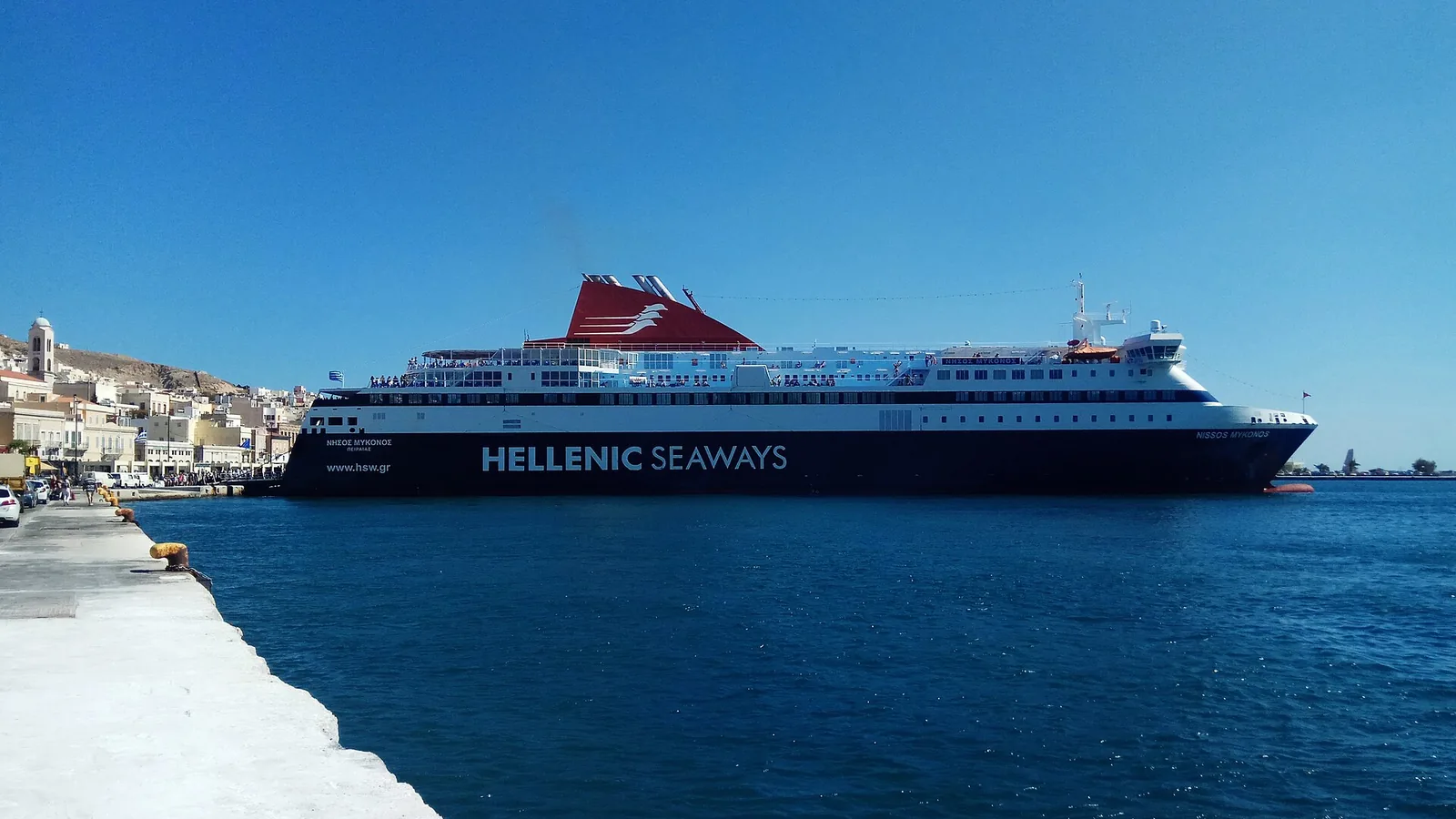
 (c) Leeturtle / CC BY-SA 3.0
Your Comprehensive Guide to Ferries to Mykonos
Discover everything about ferries to Mykonos, including port details, routes from Athens (Piraeus & Rafina), island connections, operators, and booking tips.
By Serhat Özçelik, Founder & Editor of Ferry Schedule Hub· Published July 6, 2026· updated July 11, 2026
Introduction: Your Route to Mykonos by Ferry
Mykonos, the well-known "Island of the Winds," stands as one of the most celebrated destinations in the Cyclades, Greece. Renowned for its lively nightlife, pretty Chora (Mykonos Town), striking beaches, and appealing windmills, it attracts millions of visitors annually. While Mykonos does have an international airport, arriving by ferry is a classic Greek island experience, offering scenic views and a smooth connection to the Cycladic archipelago. This comprehensive guide will equip you with all the key information for planning your ferry journey to Mykonos, ensuring a smooth and enjoyable trip.
Whether you're departing from Athens or island-hopping from a neighbouring gem, understanding the ferry routes, ports, operators, and booking nuances is key. Ferries in Greece are not just a mode of transport; they are an integral part of the travel experience, connecting countless islands and mainland ports with efficiency and charm. From high-speed catamarans to conventional car ferries, a diverse fleet serves Mykonos, catering to different travel preferences and budgets.
Understanding Mykonos Ferry Ports: New vs. Old
A key piece of information for any traveller heading to Mykonos by sea is understanding its port infrastructure. Mykonos has two main ports, and knowing the distinction between them is important for smooth arrivals and departures.
The New Port (Tourlos)
The vast majority of ferry traffic, including all conventional and high-speed ferries from mainland Greece and other islands, arrives at and departs from the New Port of Mykonos, located in Tourlos. This modern facility is situated approximately 2-3 kilometres north of Mykonos Town (Chora). It is also the primary docking point for most cruise ships visiting the island. When planning your journey from Athens or other Cycladic islands, this is almost certainly your arrival point.
Upon disembarking at the New Port, you'll find various transportation options to reach Mykonos Town or your accommodation. These include local buses, taxis, pre-booked hotel transfers, and the convenient 'SeaBus' water taxi service, which has a direct link to the Old Port area by the town. Understanding the location and function of Mykonos Port is key for smooth onward travel.
The Old Port
The Old Port, set directly by Mykonos Town (Chora), is no longer used for major ferry services. Today, it primarily serves small fishing boats, private yachts, and water taxis that connect various points around the island, including the New Port via the SeaBus. While pretty and central to the town's charm, travellers arriving by ferry from Athens or other islands should not expect to disembark here.
Ferries from Athens to Mykonos: Piraeus vs. Rafina
When travelling from Athens to Mykonos by ferry, you have two primary mainland departure ports: Piraeus and Rafina. The choice between these two ports often depends on your arrival point in Athens, your preferred journey time, and the type of ferry experience you seek.
Departing from Rafina: The Faster, Often Smarter Choice
Rafina Port is located approximately 25 kilometres east of Athens International Airport (Eleftherios Venizelos - ATH). This makes it significantly closer to the airport than Piraeus, often making it the smarter choice for travellers arriving by air and heading straight to Mykonos. The journey from the airport to Rafina is typically quicker and less complicated than reaching Piraeus.
- Location Advantage: Closer to Athens International Airport.
- Journey Duration: Fast ferries from Rafina offer some of the quickest crossings to Mykonos, typically ranging from approximately 2 hours and 5 minutes to 2 hours and 15 minutes.
- Fares: Fares for these fast services generally start from around €38.
- Operators: Key operators from Rafina include SeaJets, Golden Star Ferries, and Fast Ferries. These companies primarily operate high-speed catamarans and conventional ferries designed for quicker transit.
- Why choose Rafina? If speed and convenience, especially after a flight, are your priorities, Rafina often presents a more efficient and sometimes cheaper option for your Rafina to Mykonos ferry journey. The port itself is smaller and generally easier to navigate than Piraeus. More detailed information about Rafina Port can help you plan your arrival there.
Departing from Piraeus: Athens' Main Hub
Piraeus Port, located approximately 45 kilometres from Athens International Airport and closer to Athens city centre, is the largest port in Greece and one of the busiest in Europe. It serves as the primary route to the Cycladic islands, including Mykonos, offering a wider array of ferry options.
- Location: Closer to Athens city centre, but further from the airport.
- Ferry Types & Duration:
- High-speed ferries: These services typically take between 2.5 to 3.5 hours to reach Mykonos.
- Conventional car ferries: These are slower but often more stable and spacious, ideal if you're travelling with a vehicle or prefer a more relaxed journey. They typically take 4 to 5 hours.
- Operators: Major operators from Piraeus include Blue Star Ferries and SeaJets. Blue Star Ferries is renowned for its large, comfortable conventional ferries, while SeaJets offers rapid high-speed connections.
- Why choose Piraeus? If you're spending time in Athens city centre before heading to Mykonos, Piraeus is more conveniently located. It also offers more frequent departures and a greater variety of ferry types, including larger conventional vessels that are less susceptible to rough seas. The Piraeus to Mykonos ferry route is a classic and well-established connection.
Connecting Mykonos to Other Cycladic Islands
Mykonos is not just an end destination; it's also a fantastic hub for island hopping across the Cyclades. Its strategic location makes it easy to combine a visit to Mykonos with other popular Greek islands, offering diverse experiences from calm landscapes to lively historical sites.
Popular Island Connections from Mykonos
- Tinos: A very short ferry ride away, Tinos is known for its spiritual significance, beautiful villages, and traditional Greek charm, offering a stark contrast to Mykonos's cosmopolitan vibe.
- Naxos: As the largest island in the Cyclades, Naxos boasts striking beaches, ancient ruins, and mountainous interior villages. The Naxos to Mykonos ferry route is a popular choice for those looking to experience both busy and more traditional island life.
- Paros: Another popular Cycladic island, Paros offers appealing towns like Naoussa and Parikia, golden beaches, and excellent windsurfing conditions. It's well-connected to Mykonos by regular ferry services.
- Santorini: Perhaps the most famous island pairing, the Mykonos to Santorini ferry route is incredibly popular. These two islands offer contrasting but equally dramatic experiences, making them a dream combination for many travellers.
- Syros: The administrative capital of the Cyclades, Syros has a unique blend of Venetian and neoclassical architecture, a lively cultural scene, and a less touristy atmosphere. The Syros to Mykonos ferry provides an excellent link to this appealing island.
Ferry connections between Mykonos and these islands are frequent, especially during the peak summer months. High-speed catamarans dominate these inter-island routes, ensuring quick transfers, allowing you to maximize your time exploring.
Key Ferry Operators Serving Mykonos
Several reputable ferry companies operate routes to and from Mykonos, each offering different types of vessels and services. Understanding the main operators can help you choose the best option for your travel style and budget.
SeaJets
SeaJets is renowned for its extensive network of high-speed catamarans, connecting Mykonos with both mainland ports (Piraeus and Rafina) and numerous Cycladic islands. Their vessels are known for their speed, significantly reducing travel times, especially on longer routes. While generally more expensive than conventional ferries, SeaJets has a premium service for those prioritizing speed and efficiency.
Golden Star Ferries
Golden Star Ferries is a popular choice, particularly for departures from Rafina. They operate a mix of conventional and high-speed ferries, offering flexibility in terms of journey duration and price. Golden Star Ferries provides reliable service, connecting Mykonos with Rafina and several other islands, often at competitive prices.
Blue Star Ferries
Blue Star Ferries is a major Greek ferry operator, primarily known for its large, comfortable conventional car ferries. While their journeys are longer, these vessels offer a more stable ride, spacious indoor and outdoor areas, and a full range of onboard amenities, including restaurants and shops. Blue Star Ferries typically operates from Piraeus, connecting Mykonos with the mainland and other major islands.
Fast Ferries
As their name suggests, Fast Ferries specializes in quicker connections, primarily from Rafina. They operate a fleet of modern, high-speed conventional ferries that offer a good balance between speed and comfort. Fast Ferries is a reliable option for those seeking a relatively quick and efficient journey from Rafina to Mykonos and other nearby islands.
Booking Your Mykonos Ferry: Key Tips
Securing your ferry tickets to Mykonos, especially during peak season, requires a bit of foresight and strategic planning. Here are some key tips to ensure a hassle-free booking experience.
When to Book
Book well ahead for July-August: The summer months, particularly July and August, constitute the absolute peak season for Mykonos. Ferries, especially high-speed services, can sell out weeks or even months in advance. If your travel dates fall within this period, it is highly advisable to book your tickets as soon as your travel plans are firm. For travel during shoulder seasons (May, June, September, October), booking a few weeks in advance is generally sufficient, while off-season travel offers more flexibility.
Understanding Ferry Schedules and Flexibility
Ferry schedules are typically released a few months in advance, with the full summer schedule usually available by late winter or early spring. While generally reliable, schedules can be subject to change due to various factors, including weather conditions or operational adjustments. It's always a good practice to check for any updates closer to your travel date.
The Meltemi Wind: A Summer Consideration
The Aegean Sea is famous for its 'Meltemi' winds, strong, dry northerly winds that blow during the summer months. While they provide a welcome cooling breeze, the summer meltemi wind can disrupt fast catamarans. In cases of very strong winds, high-speed ferries may be delayed, rerouted, or even cancelled for safety reasons. Conventional ferries, being larger and more stable, are less frequently affected. If you're travelling during peak Meltemi season (July-August) and have tight connections, consider opting for a conventional ferry or allowing for extra buffer time in your itinerary.
Ticket Types and Collection
Most ferry operators now offer e-tickets, which can be presented directly from your smartphone. However, some may still require you to print your ticket or collect a physical ticket from the port office before departure. Always check the specific instructions provided by your ferry operator. Arriving at the port with ample time before departure (at least 30-60 minutes, especially if you have a vehicle) is always recommended.
Practicalities: Arriving at and Departing from Mykonos
Once your ferry arrives at Mykonos' New Port (Tourlos), getting to your final destination in Mykonos Town or elsewhere on the island is straightforward with a few options:
- Local Buses: Public buses (KTEL Mykonos) operate regularly between the New Port and Mykonos Town (Fabrika station). This is the most economical option.
- Taxis: Taxis are available at the port, though they can be limited, especially during peak season. It's advisable to pre-book if you have specific timing needs.
- SeaBus: A convenient water taxi service connects the New Port directly to the Old Port area in Mykonos Town, offering a scenic and quick transfer.
- Hotel Transfers: Many hotels offer pre-arranged shuttle services. Check with your accommodation in advance.
- Car Rentals: If you've arranged a rental car, the agency may have a pick-up service at the port or a nearby office.
For departures, ensure you allow plenty of time to reach the New Port, especially if you're travelling from Mykonos Town during busy periods. Luggage storage on ferries is typically in designated racks or areas, and you'll usually carry your own bags on and off the vessel.
Conclusion
Travelling to Mykonos by ferry is an integral part of the Greek island experience, offering flexibility, striking sea views, and connections to a network of beautiful islands. By understanding the nuances of Mykonos's ports, the different departure options from Athens (Piraeus and Rafina), the variety of ferry operators, and key booking tips, you can plan your journey with confidence. Whether you're seeking the fastest route or a more leisurely cruise, Mykonos is well-served by a comprehensive ferry system, ready to welcome you to its lively shores.
On this page
- Introduction: Your Route to Mykonos by Ferry
- Understanding Mykonos Ferry Ports: New vs. Old
- Ferries from Athens to Mykonos: Piraeus vs. Rafina
- Connecting Mykonos to Other Cycladic Islands
- Key Ferry Operators Serving Mykonos
- Booking Your Mykonos Ferry: Key Tips
- Practicalities: Arriving at and Departing from Mykonos
- Conclusion
Frequently asked questions
Which port do ferries arrive at in Mykonos?
All conventional and high-speed ferries arriving from mainland Greece and other islands dock at the New Port (Tourlos) in Mykonos. This port is located approximately 2-3 kilometres north of Mykonos Town (Chora). The Old Port, which is by the town, is only used for small boats and water taxis, not for inter-island or mainland ferry services. Always ensure you head to the New Port for departures and arrivals.
Should I depart from Piraeus or Rafina for Mykonos?
The choice depends on your starting point in Athens. Rafina is closer to Athens International Airport (~25 km) and offers faster, often cheaper crossings (~2h5m-2h15m from €38), making it ideal if you're flying in. Piraeus (~45 km from airport) is closer to Athens city centre and offers more ferry types, including slower car ferries (4-5h) and high-speed options (2.5-3.5h).
How long does the ferry take from Athens to Mykonos?
Ferry duration varies significantly by departure port and vessel type. From Rafina, high-speed ferries typically take between 2 hours 5 minutes and 2 hours 15 minutes. From Piraeus, high-speed ferries range from 2.5 to 3.5 hours, while conventional car ferries take longer, usually between 4 and 5 hours. Always check specific schedules for exact journey times.
Which ferry operators go to Mykonos?
Several major ferry operators serve Mykonos. These include SeaJets, known for its fast catamarans; Golden Star Ferries, offering both conventional and high-speed services, especially from Rafina; Blue Star Ferries, primarily operating large, comfortable conventional car ferries from Piraeus; and Fast Ferries, which provides quick connections, mainly from Rafina. Each offers different services and price points.
When should I book ferry tickets to Mykonos?
It is highly recommended to book your ferry tickets to Mykonos well in advance, especially if you plan to travel during the peak summer months of July and August. During this period, popular routes and high-speed services can sell out weeks or even months ahead. For shoulder seasons, booking a few weeks in advance is usually sufficient. Early booking also helps secure better prices.
Keep reading