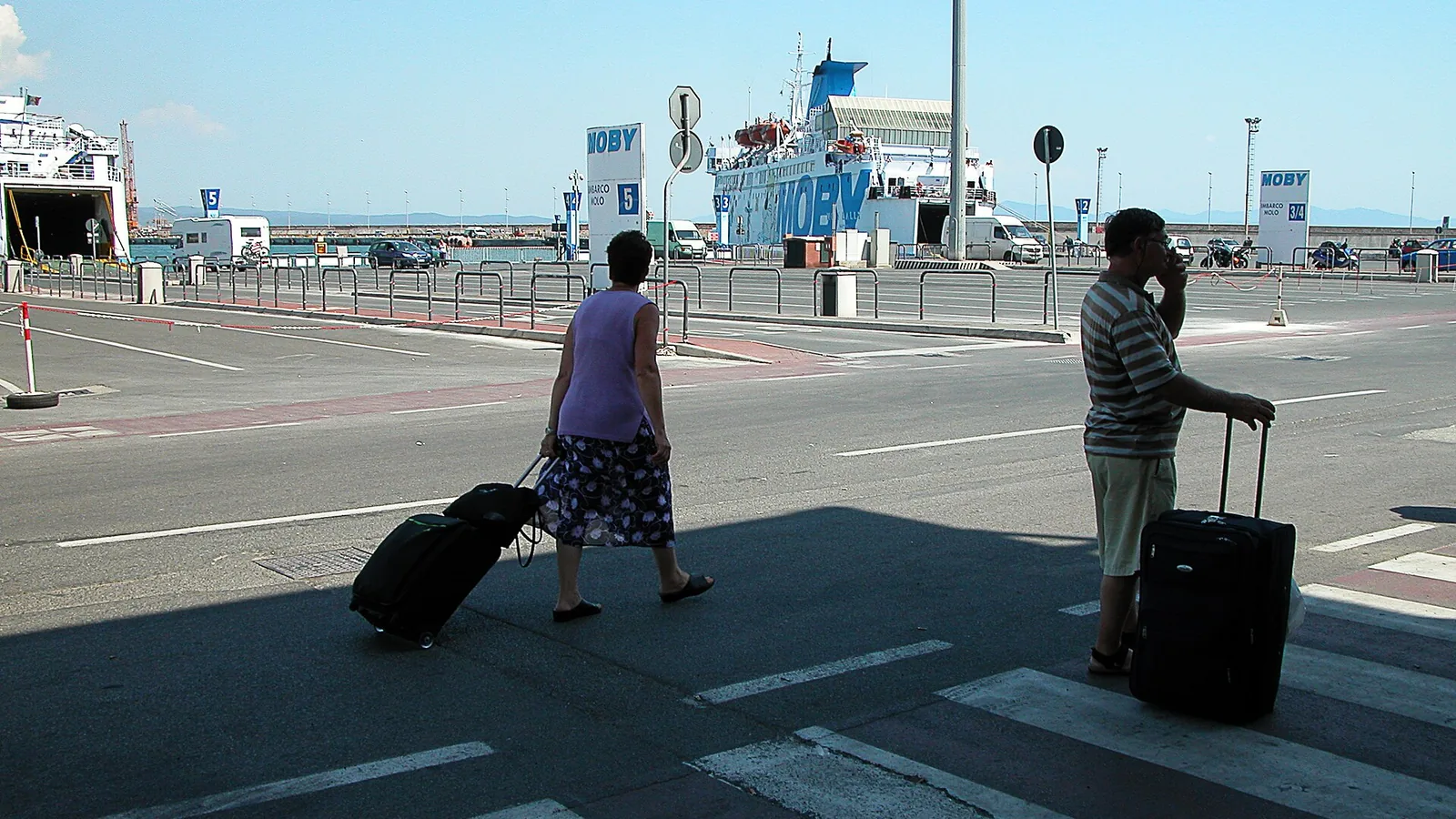
 (c) Bruno Barral / CC BY-SA 3.0
Elba & Tuscan Archipelago Ferries: Your Guide
Discover how to reach Elba, Giglio, and other Tuscan Archipelago islands by ferry. Essential guide covering routes, operators, and travel tips.
By Serhat Özçelik, Founder & Editor of Ferry Schedule Hub· Published July 6, 2026· updated July 11, 2026
Exploring the Tuscan Archipelago by Ferry
The Tuscan Archipelago, a chain of islands off the coast of Tuscany, Italy, is a region of striking natural beauty, rich history, and crystal-clear waters. While some islands are protected and have restricted access, the main islands of Elba and Giglio are readily accessible by ferry, offering visitors a unique Italian island experience. This comprehensive guide provides all the key information for planning your ferry journey to these captivating destinations, focusing on routes, operators, and practical tips for a smooth trip.
Understanding the ferry network is key to unlocking the beauty of the archipelago. The primary route to the largest island, Elba, is the busy port of Piombino on the Tuscan mainland. From here, a frequent and efficient service connects travelers to Elba's main ports. For those looking to explore further, Giglio island presents another appealing destination, with its own dedicated ferry connections from the mainland. Whether you're planning a day trip or an extended stay, ferry travel is an integral part of the Tuscan Archipelago experience, seamlessly linking the mainland with these Mediterranean gems.
Reaching Elba: Main Routes and Ports
Elba, the largest island in the Tuscan Archipelago and the third-largest in Italy, is the most popular destination for ferry travelers. Its strategic location and historical significance make it a prime spot for tourists seeking both relaxation and adventure. The vast majority of ferry services to Elba depart from the port of Piombino, a well-equipped port city on the Tuscan coast. From Piombino, ferries primarily serve three ports on Elba: Portoferraio, Cavo, and Rio Marina.
The most frequented route is undoubtedly from Piombino to Portoferraio, Elba's capital and main port. This journey typically takes about 1 hour, with the fastest sailings around 35-40 minutes, making it a quick and convenient crossing. During the peak summer months, services on the Piombino to Portoferraio route are exceptionally frequent, with departures scheduled throughout the day, ensuring flexibility for travelers. Portoferraio itself is a lively hub, offering a wide range of services, historical sites, and immediate access to the island's extensive road network.
In addition to Portoferraio, ferries from Piombino also connect to other ports on Elba. The route from Piombino to Cavo is another popular option, particularly for those staying on the eastern side of the island. Cavo is a smaller, appealing port town known for its beaches and relaxed atmosphere. Similarly, ferries also operate between Piombino and Rio Marina, another significant port on Elba's eastern coast, offering access to its mining history and pretty landscapes. While direct routes from Cavo to Portoferraio exist, these are often operated by smaller, local services or are part of a larger route originating from the mainland. The primary mainland connection for these eastern ports remains Piombino, with the Piombino to Cavo route being a key link.
Elba Ferry Operators and Vehicle Travel
Several reputable ferry operators serve the routes to Elba, ensuring a competitive and reliable service for passengers. The main companies operating on the Elba routes include Moby Lines, Toremar, Blu Navy, and Corsica Sardinia Ferries. These operators collectively provide a comprehensive schedule, especially during the high season, catering to both foot passengers and those traveling with vehicles.
A significant advantage of these ferry services is their capacity to transport vehicles. All the aforementioned operators run car ferries, which is incredibly useful given Elba's size and the desire of many visitors to explore the island independently. Elba is large enough to warrant having a car, allowing travelers to reach secluded beaches, appealing inland villages, and various hiking trails that might otherwise be difficult to access. Bringing a vehicle provides immense flexibility, enabling you to discover the island at your own pace without relying on local public transport, which can be less frequent in some areas.
Given the popularity of Elba, particularly during the peak summer months of July and August, it is highly advisable to book vehicle space well in advance. Ferry capacities for cars can fill up quickly, and spontaneous travel with a vehicle might lead to long waits or even unavailability on desired sailings. Booking ahead not only secures your spot but can also sometimes offer better rates. Foot passengers generally have more flexibility, but even for them, purchasing tickets in advance, especially for specific times, is a good practice to avoid queues and ensure a smooth boarding process. These services are a important part of the broader ferries in Italy network, connecting island life with the mainland.
Exploring Giglio and Other Archipelago Islands
While Elba is the star of the Tuscan Archipelago, Giglio island has a distinct charm and is another popular destination accessible by ferry. Located further south than Elba, Giglio is known for its clean waters, pretty villages, and excellent diving opportunities. The route to Giglio is the port of Porto Santo Stefano, situated on the Monte Argentario peninsula on the Tuscan mainland.
Ferries to Giglio island from Porto Santo Stefano are operated by Toremar and Maregiglio. These companies provide regular services connecting the mainland to Giglio Porto, the main port on the island. The journey offers scenic views of the coastline and the island approaching. Similar to Elba, these ferries can accommodate vehicles, though Giglio is smaller and more easily explored on foot or with local transport. The route from Isola del Giglio to Porto Santo Stefano is a key link for both residents and tourists, maintaining the island's connection to the mainland.
Beyond Elba and Giglio, the Tuscan Archipelago comprises several other islands: Capraia, Pianosa, Montecristo, and Gorgona. However, access to these islands is often restricted due to their status as protected natural reserves or for other specific reasons. Montecristo, for instance, is a strictly protected nature reserve, famous from Alexandre Dumas' novel "The Count of Monte Cristo," and permits for visits are extremely limited and require advance application. Pianosa, once a penal colony, also has highly regulated access, often requiring guided tours. Capraia is more accessible than Pianosa or Montecristo, with ferry services from Livorno, but it is less frequently visited than Elba or Giglio. Gorgona is primarily a prison island with virtually no tourist access. Therefore, for most travelers, Elba and Giglio remain the primary and most accessible ferry destinations within the archipelago, offering a rich and fulfilling island experience without the complexities of restricted access.
Planning Your Ferry Journey: Tips and Booking
To ensure a smooth and enjoyable ferry journey to the Tuscan Archipelago, careful planning is key. The first step is to identify your destination and the most suitable departure port. For Elba, Piombino is the undisputed main hub, offering connections to Portoferraio, Cavo, and Rio Marina. For Giglio, Porto Santo Stefano is your departure point, connecting directly to Isola del Giglio.
Booking your tickets in advance is highly recommended, especially if you plan to travel during the high season (June to September) or if you intend to bring a vehicle. As mentioned, vehicle spaces on ferries can sell out quickly, particularly on popular routes like Piombino to Portoferraio. Online booking platforms are the most convenient way to purchase tickets, allowing you to compare prices and schedules from different operators such as Moby Lines and Toremar. When booking, be sure to have details of your vehicle (make, model, license plate) and the number of passengers ready.
Upon arrival at the port, allow ample time for check-in and boarding, especially if you are traveling with a car. Typically, vehicle passengers are advised to arrive at least 60-90 minutes before departure, while foot passengers can arrive 30-45 minutes prior. Always check the specific recommendations of your chosen ferry operator. The ports of Piombino and Porto Santo Stefano are well-equipped with amenities, including waiting areas, cafes, and parking, making the waiting period comfortable. Familiarize yourself with the boarding procedures and ensure you have all necessary travel documents, including your tickets and identification. By taking these preparatory steps, you can minimize stress and maximize your enjoyment of the journey to these beautiful Italian islands, which are a highlight of ferry travel in Italy.
Life Aboard and Arrival Experience
Ferry travel to the Tuscan Archipelago is generally a pleasant experience. The vessels operated by companies like Toremar, Moby Lines, Blu Navy, and Corsica Sardinia Ferries are designed for passenger comfort, even on the relatively short crossings. Most ferries offer a range of onboard facilities, including indoor seating areas, outdoor decks for enjoying the sea views, cafes or snack bars, and restrooms. On longer routes, or larger vessels, you might find additional amenities such as children's play areas or shops. The journey itself is an opportunity to relax, take in the Mediterranean air, and watch the Tuscan coastline recede as the islands draw nearer.
The arrival at ports like Portoferraio on Elba or Giglio Porto on Giglio is often a memorable part of the trip. Portoferraio, with its historic fortifications and colorful buildings rising from the harbor, presents a truly well-known sight as the ferry approaches. The disembarkation process is usually efficient, with clear signage guiding both foot passengers and vehicle drivers. Once ashore, you'll find various services readily available, including taxi stands, bus connections, and car rental agencies, allowing for immediate onward travel to your accommodation or desired destination on the island. The smooth connection from mainland to island, facilitated by these reliable ferry services, makes exploring the diverse landscapes and cultural treasures of the Tuscan Archipelago an accessible and rewarding adventure for all.
Frequently asked questions
Which is the main port for ferries to Elba, and how long does the journey take?
The main port for ferries to Elba is Piombino on the Tuscan coast. From Piombino, the most frequent route is to Portoferraio, Elba's capital. This journey typically takes about 1 hour, with the fastest sailings around 35-40 minutes. Piombino also offers services to other Elba ports like Cavo and Rio Marina, though these routes might have slightly different durations.
Can I bring my car on the ferry to Elba, and is it recommended?
Yes, you can definitely bring your car on ferries to Elba. Operators like Moby Lines, Toremar, Blu Navy, and Corsica Sardinia Ferries all run car ferries. It is highly recommended to bring a vehicle as Elba is a large island, and having a car provides great flexibility for exploring its diverse landscapes and attractions at your own pace.
Which ferry operators serve the routes to Elba and Giglio?
For Elba, the main operators include Moby Lines, Toremar, Blu Navy, and Corsica Sardinia Ferries. For Giglio island, services from Porto Santo Stefano are primarily operated by Toremar and Maregiglio. These companies ensure regular and reliable connections to both popular islands within the Tuscan Archipelago.
Do I need to book ferry tickets in advance, especially for vehicles?
Yes, booking ferry tickets in advance is strongly recommended, particularly if you plan to travel during peak summer months (July and August) or if you are bringing a vehicle. Vehicle spaces can fill up quickly, and advance booking helps secure your spot and often provides better rates. Foot passengers also benefit from booking ahead to avoid queues.
Are other islands in the Tuscan Archipelago accessible by ferry?
While Elba and Giglio are the most accessible, other islands like Capraia, Pianosa, Montecristo, and Gorgona are part of the archipelago. However, access to many of these is restricted due to their status as protected natural reserves or for other reasons, with very limited or no tourist access. Capraia has some ferry services, but less frequent.
Keep reading