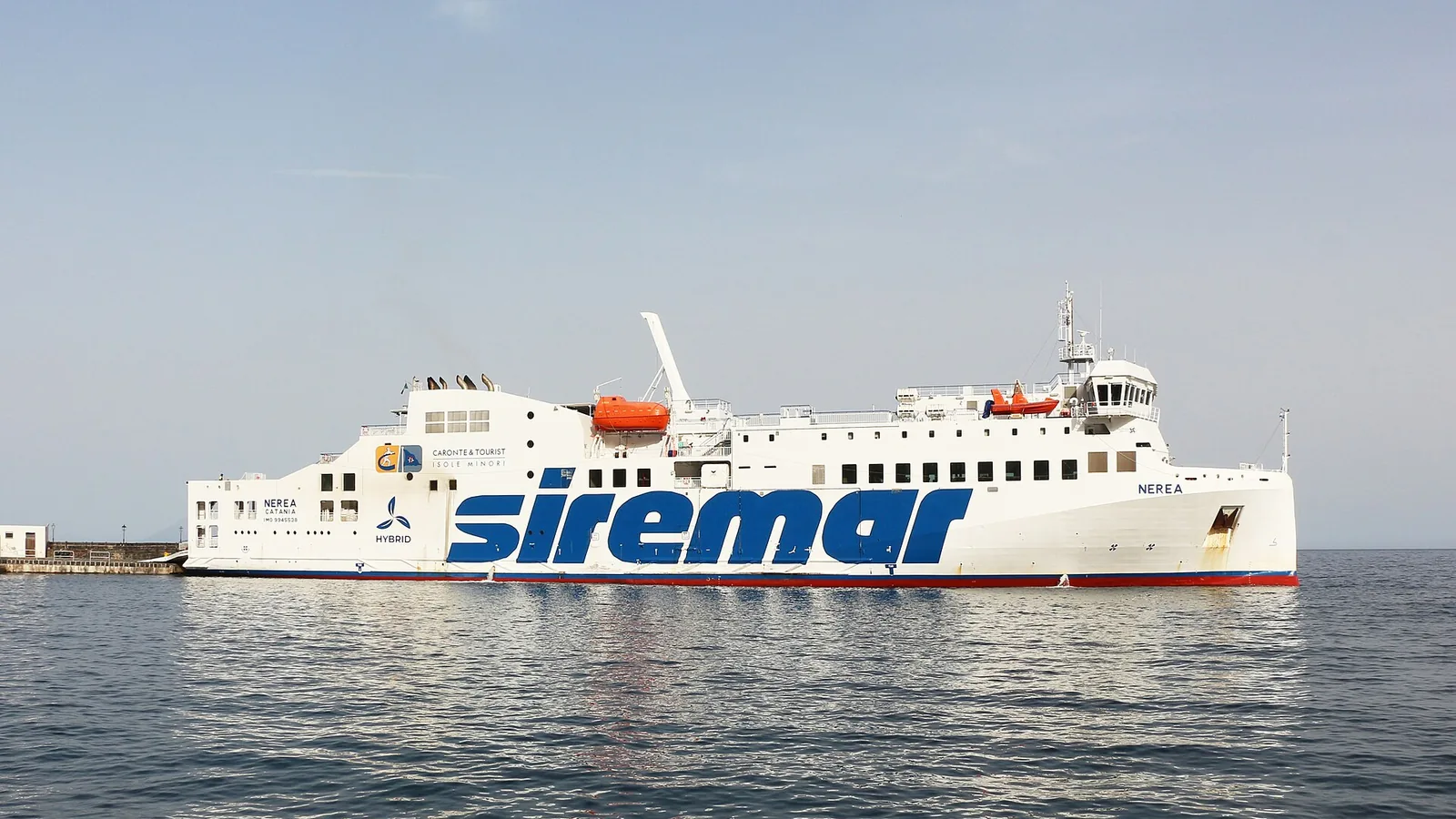
 (c) Bernard Gagnon / CC BY 4.0
Aeolian Islands Ferries: Your Complete Guide
Discover the volcanic Aeolian Islands (Lipari, Vulcano, Stromboli, Salina, Panarea, Filicudi, Alicudi) by ferry. Essential guide to routes, operators, and travel tips.
By Serhat Özçelik, Founder & Editor of Ferry Schedule Hub· Published July 6, 2026· updated July 11, 2026
Discovering the Aeolian Islands by Ferry
The Aeolian Islands, known in Italian as the Isole Eolie, form a magnificent volcanic archipelago set off the northern coast of Sicily. A designated UNESCO World Heritage site, this chain of seven principal islands – Lipari, Vulcano, Salina, Stromboli, Panarea, Filicudi, and Alicudi – has a unique blend of natural beauty, ancient history, and lively island life. For anyone planning to explore these captivating destinations, understanding the ferry network is paramount, as it is the sole means of access and inter-island travel.
The primary route to the Aeolian Islands is the busy port town of Milazzo, strategically located on Sicily's north coast. From here, a comprehensive network of ferries and hydrofoils connects travellers to each of the islands, providing a important link to this remote paradise. While the journey itself is part of the adventure, navigating the schedules and choosing the right service can be complex. This guide aims to provide a comprehensive overview, ensuring a smooth and enjoyable ferry travel experience in Italy to and through the Aeolian archipelago.
Key Ferry Routes and Key Connections
The ferry routes connecting the Aeolian Islands are extensive, with Milazzo serving as the undisputed main hub for departures from the Sicilian mainland. The most frequented routes connect Milazzo to the larger, more populated islands, which then act as smaller hubs for onward travel to the more remote destinations.
The journey from Milazzo to Lipari is one of the most popular and frequent, offering the quickest access to the largest and most central island. Travel times for the Milazzo to Lipari route typically range from approximately 50 minutes on fast hydrofoils to about 2.5 hours on conventional ferries. Ticket prices for this key connection generally start from around €16, varying by operator, season, and type of vessel.
Other key routes from Milazzo include direct services to Vulcano and Stromboli. The Milazzo to Vulcano route is often the first stop for many services, given Vulcano's proximity to Sicily and its unique attractions. For those drawn by the allure of an active volcano, the Milazzo to Stromboli route offers direct passage to the island known for its near-constantly erupting peak. While these are the main arteries, services also extend to Salina, Panarea, Filicudi, and Alicudi, often with connections through Lipari or Vulcano.
Inter-island travel is equally well-served, with frequent connections between the main islands. For instance, the short hop from Lipari to Vulcano is a very common journey, allowing visitors to easily experience both islands. Lipari, being the largest and most central, often serves as a convenient base for exploring its neighbours, with numerous daily services linking it to all other islands in the archipelago. Planning these island-hopping itineraries requires careful attention to schedules, especially during peak season when demand is high, or during the low season when services are reduced.
Reaching the Aeolians from other ports
While Milazzo is the busiest and most convenient gateway, it is not the only one. If you are approaching from the Campania coast rather than Sicily, Siremar runs an overnight car ferry from Naples (Porta di Massa) a couple of times a week year-round; it leaves in the evening and reaches Stromboli around dawn before calling at Panarea, Salina, Lipari and Vulcano — a scenic, if slow, alternative that saves the long drive down to Sicily. Closer to the islands, Liberty Lines operates fast hydrofoils from Messina and, year-round, from Reggio Calabria on the Calabrian mainland (roughly 1 hour 40 minutes to Lipari), while a seasonal summer service links Palermo with the archipelago between June and September. These routes are worth considering if your wider itinerary already passes through one of these cities, though for sheer frequency and choice Milazzo remains the hub around which most Aeolian trips are planned.
Ferry Operators and Vessel Types
The Aeolian Islands ferry network is primarily served by a few key operators, each offering distinct types of vessels tailored to different travel needs. Understanding these differences is key for planning your journey and choosing the best option for your specific requirements.
The fastest and most frequent services are provided by Liberty Lines. This operator specialises in fast hydrofoils, which are sleek, passenger-only vessels designed for speed and efficiency. Hydrofoils significantly cut down travel times between islands and from the mainland, making them ideal for day trips, quick transfers, or for travellers prioritising speed. However, their passenger-only nature means they cannot transport vehicles, and they can be more susceptible to rough seas, leading to occasional cancellations or delays during adverse weather conditions.
For those travelling with vehicles or preferring a more stable journey, conventional car ferries are available. These services are primarily operated by Siremar and Caronte & Tourist. Conventional ferries are slower than hydrofoils but offer the distinct advantage of carrying cars, motorcycles, and other vehicles. They also tend to be more spacious, with amenities like cafeterias and outdoor decks, and are generally more comfortable in choppier waters. While slower, they provide a important service for residents and tourists who need to transport vehicles, especially to the larger islands like Lipari and Salina. It's important to note that cars are generally discouraged, and often restricted, on the smaller Aeolian Islands due to narrow roads and limited infrastructure.
When selecting your ferry, consider your priorities: speed and frequency versus the need for vehicle transport and greater stability. During peak summer months, both types of services are in high demand, so booking in advance is strongly recommended, especially if you plan to travel with a car.
Navigating the Aeolian Ferry Timetables
One of the most significant aspects of planning a trip to the Aeolian Islands by ferry is understanding and navigating the complex timetable system. The Aeolian Islands are renowned for having some of the most intricate ferry schedules in all of Italy, necessitating meticulous planning for smooth travel.
A primary factor influencing ferry schedules is seasonality. Services intensify significantly during the peak summer months, typically from June to September, to accommodate the surge in tourist traffic. During this period, you can expect more frequent departures, additional routes, and greater flexibility for island hopping. Conversely, services thin out considerably during the winter months (roughly November to March), with fewer daily departures and some routes potentially operating only a few times a week or being suspended entirely. Shoulder seasons (April-May and October) offer a balance, with more frequent services than winter but fewer crowds than summer.
The complexity also arises from the need to plan connections island-by-island. Unlike some simpler ferry networks, an Aeolian Islands itinerary often involves multiple legs, each requiring a separate booking or at least a careful check of connecting times. It's not uncommon for travellers to arrive at one island and then take another ferry to their final destination, or to set off on multi-island tours. Therefore, it is highly advisable to consult the most up-to-date schedules directly from the operators or a reliable ferry booking platform well in advance of your travel dates. Do not rely on outdated information, as schedules can change, sometimes even at short notice due to weather conditions or operational adjustments.
When planning, always factor in buffer time between connections, especially if you are relying on different operators or if you are travelling during periods when weather might be unpredictable. Strong winds, particularly in winter, can lead to hydrofoil cancellations, making conventional ferries the only option, or even causing all services to be suspended. Flexibility and a backup plan are valuable assets when navigating the Aeolian ferry timetables.
Key Ports and Island Highlights
The Aeolian Islands are a collection of unique destinations, each with its own character and attractions. The ferry ports serve as the gateways to these experiences, connecting travellers to the heart of island life.
The journey for most visitors begins at Milazzo on the Sicilian mainland. This port is not just a departure point but a busy hub, offering various services, including long-term parking for those leaving their cars behind. From Milazzo, ferries fan out across the archipelago, bringing travellers to the shores of their chosen island.
The largest and most populous of the Aeolian Islands is Lipari. Its main port, Marina Lunga, and the smaller Marina Corta, are lively centres of activity, with a appealing town, historical castle, and beautiful beaches. Lipari serves as the de facto capital of the archipelago and is an excellent base for exploring the other islands due to its central location and frequent ferry connections.
Just a short distance from Lipari lies Vulcano. This island is famous for its therapeutic mud baths and fumaroles, offering a unique natural spa experience. The port of Vulcano is easily accessible, and visitors can quickly reach the main attractions from there. The island's volcanic landscape provides striking views and opportunities for hiking.
Further north, the well-known island of Stromboli beckons with its constantly active volcano. The port of Stromboli is the entry point for those wishing to witness the spectacular eruptions, especially at night. The island has a raw, untamed beauty, with black sand beaches and appealing villages clinging to its slopes. Guided treks to the volcano's summit are a highlight for many visitors.
Other islands include Salina, known for its lush greenery, capers, and sweet Malvasia wine, with ports like Santa Marina Salina and Rinella. Panarea is the smallest but most glamorous, attracting a chic crowd with its boutique hotels and lively nightlife. Filicudi and Alicudi, the westernmost islands, offer a more calm and untouched experience, ideal for those seeking solitude and clean nature. Each port, whether large or small, is the starting point for discovering the distinct charm of its respective island.
Practical Travel Tips for Your Aeolian Ferry Journey
Setting off on a ferry adventure to the Aeolian Islands requires a few practical considerations to ensure a smooth and enjoyable trip. Given the unique nature of island travel, a little preparation goes a long way.
Booking in Advance: Especially during the high season (June to September) and on weekends, ferries and hydrofoils can fill up quickly. It is highly recommended to book your tickets in advance, particularly if you are travelling on popular routes or with a vehicle. This guarantees your spot and can often save you time at the port.
Luggage: While there are generally no strict weight limits, space on hydrofoils can be limited. Be prepared to manage your own luggage, as porters are not always available. For larger bags, conventional ferries offer more space. If you plan to hike or move between islands frequently, consider packing light.
Travelling with a Car: As mentioned, cars are discouraged on the smaller islands and often subject to seasonal restrictions even on larger ones like Lipari and Salina, especially for non-residents during peak season. The islands are best explored on foot, by scooter, or with local buses/taxis. If you must bring a car, verify regulations for your specific island and consider parking it in Milazzo, where secure long-term parking facilities are available, and continuing your journey as a foot passenger.
Arrive Early: For all ferry departures, it's wise to arrive at the port at least 30-60 minutes before the scheduled time, especially if you need to pick up tickets or check in. This allows ample time for boarding and avoids any last-minute rush.
Weather Considerations: The Aeolian Islands are exposed to the elements. High winds can occasionally lead to the cancellation of hydrofoil services, and in severe weather, even conventional ferries may be affected. Always check weather forecasts and ferry operator websites for real-time updates, particularly if your travel plans are tight or if you are travelling during the off-season.
Island Hopping Strategy: Given the complexity of timetables, planning your island-hopping itinerary carefully is key. Consider basing yourself on a central island like Lipari and taking day trips, or plan your journey sequentially, moving from one island to the next. Always have a clear idea of your next connection.
The Memorable Aeolian Ferry Experience
Exploring the Aeolian Islands by ferry is more than just a means of transport; it's an integral part of the adventure. As you glide across the turquoise waters of the Tyrrhenian Sea, you'll be treated to dramatic views of the volcanic landscapes, dramatic coastlines, and appealing island villages that make this archipelago so unique. The journey itself has a sense of anticipation and discovery, connecting you directly to the raw beauty and lively culture of these UNESCO-listed gems.
Whether you're seeking the therapeutic mud baths of Vulcano, the busy charm of Lipari, the calm beauty of Salina, or the awe-inspiring eruptions of Stromboli, the ferry network provides the key link. The intricate dance of hydrofoils and conventional ferries, while sometimes challenging to navigate, ultimately ensures that these extraordinary islands remain accessible to all who wish to experience their magic. By understanding the routes, operators, and practicalities, you can set off on an memorable journey, immersing yourself in the unparalleled allure of the Aeolian Islands.
Frequently asked questions
How long does the ferry take from Milazzo to Lipari?
The journey from Milazzo to Lipari varies depending on the type of vessel. Fast hydrofoils typically complete the trip in approximately 50 minutes. Conventional car ferries, which are slower but can carry vehicles, take around 2.5 hours. Ticket prices for this route generally start from about €16, fluctuating based on the operator and season.
Which ferry operators serve the Aeolian Islands?
The primary ferry operators serving the Aeolian Islands are Liberty Lines, Siremar, and Caronte & Tourist. Liberty Lines operates fast, passenger-only hydrofoils, known for their speed and frequency. Siremar and Caronte & Tourist run conventional car ferries, which are slower but provide the option to transport vehicles and offer a more stable journey.
Can I take my car to the Aeolian Islands?
Yes, you can take your car to some of the larger Aeolian Islands like Lipari and Salina via conventional car ferries operated by Siremar and Caronte & Tourist. However, cars are generally discouraged and often restricted on the smaller islands, especially for non-residents during peak season, due to limited infrastructure and narrow roads. Parking in Milazzo is often recommended.
When is the best time to visit the Aeolian Islands by ferry?
The best time to visit the Aeolian Islands by ferry is during the summer months (June to September) when services are most frequent and the weather is ideal for swimming and sunbathing. However, this is also the busiest period. The shoulder seasons (April-May and October) offer a good balance of pleasant weather and fewer crowds, though ferry services are slightly reduced.
Are there direct ferries to Stromboli from Milazzo?
Yes, there are direct ferry and hydrofoil services from Milazzo to Stromboli. These routes are operated by both fast hydrofoils (Liberty Lines) and conventional car ferries (Siremar and Caronte & Tourist). Travel times vary, with hydrofoils being significantly faster. It's advisable to check the latest schedules, as frequency can change seasonally, especially for direct routes.
Keep reading