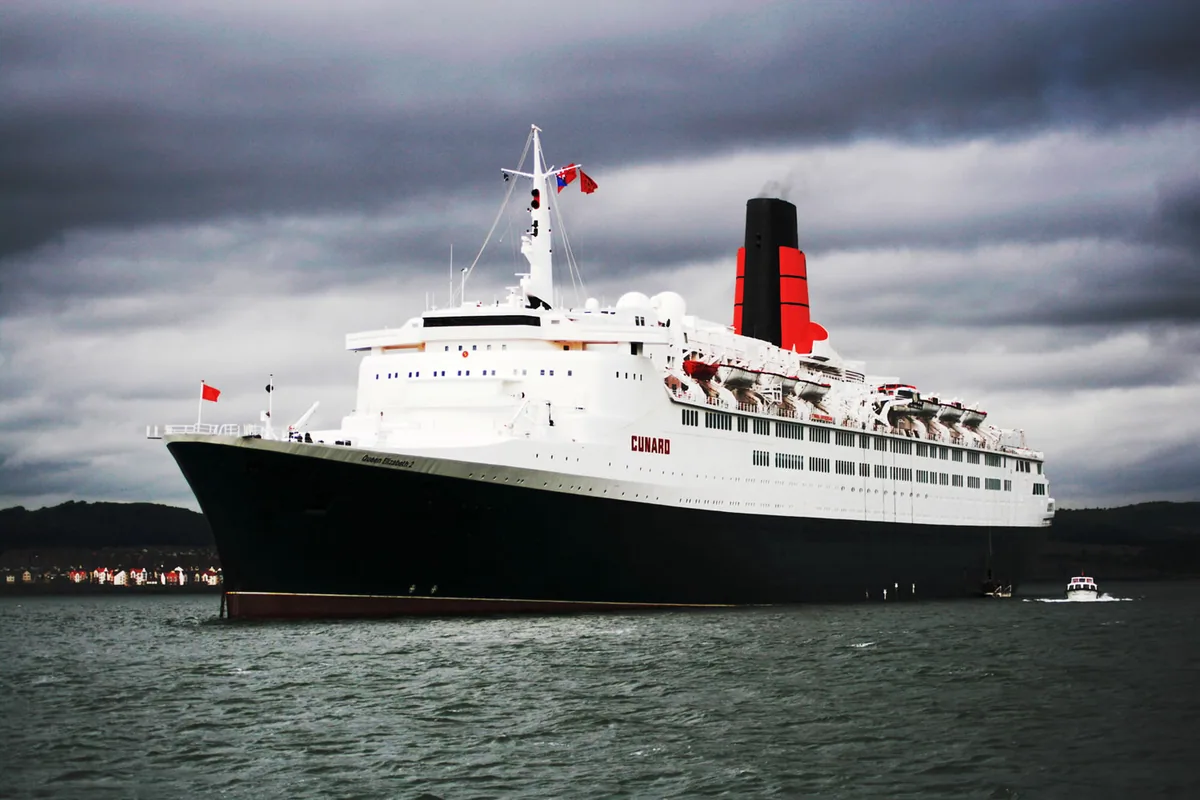
 (c) Tim Dyer / Public domain
Travelling with Pets on a Ferry
Pet policies vary by operator and route. Here's what to check before you sail with a dog, cat or other animal.
By Serhat Özçelik, Founder & Editor of Ferry Schedule Hub· Published June 10, 2026· updated August 8, 2026
Most ferry operators welcome pets, but the rules — where animals can go, what you must bring, and whether you need to book — vary by operator and route.
Check the pet policy before booking
Some routes allow pets in the vehicle, on outside decks, or in dedicated pet areas and kennels; others permit assistance dogs only. On longer crossings you may be able to book a pet-friendly cabin. Always confirm the specific route's policy.
What to bring
- A lead and, where required, a muzzle for dogs in public areas.
- Water and a travel bowl — crossings can be long and warm.
- For international sailings: a pet passport or the documents and vaccinations required for entry.
On board
If pets must stay in the vehicle, ensure adequate ventilation and never leave an animal in a hot car. Where pets travel with you, keep them leashed and follow crew guidance about which decks are open to animals.
The paperwork gap: from "bring the dog" to a government permit
Pet policy is the single most variable rule in ferry travel. Three real examples, all from operators' own published policies:
- Aquabus (Vancouver) — dogs are "not just allowed, they are encouraged". The only conditions are clean and on a leash. No booking, no fee, no paperwork.
- Moby (Italy) — dogs may travel in the cabin on the overnight Sardinia crossings, in dedicated accommodation.
- SuperCat (Philippines) — you need a Veterinary Health Certificate and a shipping permit from the Bureau of Animal Industry, and the certificate is a prerequisite for the permit. The animal must be caged, must travel with a passenger, and sits in an allocated area.
Where a fee exists, it is usually by size
SuperCat charges at terminal check-in rather than at booking: PHP 150 small, PHP 250 medium, PHP 350 large, PHP 450 extra large.
Some carriers reserve the right to refuse
OceanJet's conditions state plainly that the carrier may refuse live plants and animals for carriage. On inter-island routes between farming communities that is a real constraint, not boilerplate — and it means a policy that permits pets does not guarantee boarding on the day.
Questions worth asking before you book
- Can the animal stay with you, or must it remain in the vehicle or a kennel?
- Is a permit or health certificate required — and how long does it take to obtain?
- Is the fee paid at booking or at the terminal? (Several operators only take it on the day.)
Frequently asked questions
Can dogs travel on ferries?
Yes. Almost all ferry operators accept dogs, though where they travel varies: on deck with you on short routes, or in your vehicle, a kennel or a bookable pet-friendly cabin on longer ones. Declare your dog when booking, keep it on a lead in public areas, and carry a muzzle, as some operators require one outside your vehicle or cabin.
Can I stay in the car with my pet during the crossing?
Usually not. On most ferries the car deck is sealed for safety once you sail, so you cannot return to your vehicle mid-crossing. That makes leaving a pet in the car suitable only for short daytime routes in mild weather. For longer sailings, book a kennel or pet-friendly cabin so your animal is safe, ventilated and accessible.
Do I need a passport for my pet on an international ferry?
For cross-border sailings, yes — in some form. EU-resident pets use an EU Pet Passport, while pets leaving Great Britain need a GB Animal Health Certificate. Both require a microchip and an in-date rabies vaccination, and some countries also demand a tapeworm treatment. Check the current official rules and see your vet weeks ahead, as vaccination waiting periods apply.
How much does it cost to take a pet on a ferry?
It varies widely. Many in-vehicle and Irish Sea crossings carry pets free, while others charge a modest surcharge per animal each way, plus a small extra fee for a kennel or pet cabin. Registered assistance and guide dogs travel free on virtually all operators. Always confirm the price and reserve the pet space when you book.
How do I keep my dog calm on a ferry?
Exercise your dog before boarding and avoid a big meal beforehand to limit sickness. Bring a familiar blanket or toy, stay calm yourself, and choose a pet cabin over a kennel for anxious dogs on longer trips. Ask your vet about calming aids or anti-sickness medication in advance if your dog has found travel stressful before.
Keep reading